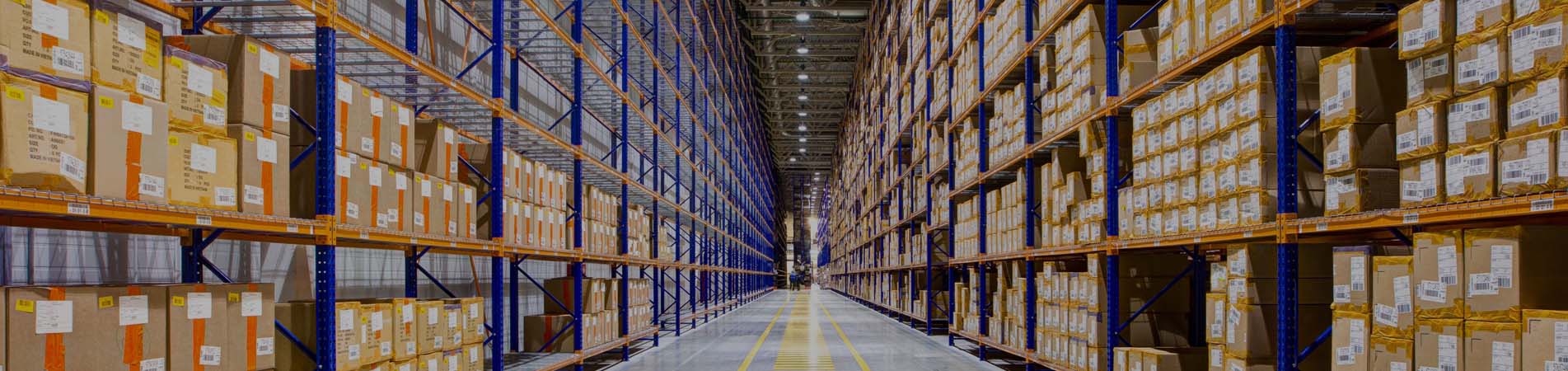
What is a Pallet Rack That You Can Run Stuff Through the Middle?
A "pallet rack that you can run stuff through the middle" refers to dynamic racking systems engineered to facilitate the continuous movement of goods within the rack structure. Unlike static racking, where pallets are manually loaded and retrieved, dynamic racks use gravity, rollers, or mechanical systems to move pallets from one side of the rack to the other.
This design supports First-In, First-Out (FIFO) or Last-In, First-Out (LIFO) inventory management, making it ideal for high-throughput environments like distribution centers and wholesale warehouses.
These systems are particularly valuable for businesses handling perishable goods, high-turnover inventory, or bulk wholesale orders. By enabling goods to "flow" through the rack, they reduce handling time, minimize bottlenecks, and optimize warehouse space. To learn more about how racking systems integrate with warehouse layouts, explore our Warehouse Design Solutions.
Types of Pallet Racking That Support Throughput
Through racking systems operate by allowing pallets to move through the rack structure, either by forklift entry or gravity-assisted mechanisms. Here are any types dynamic racking system for high-density and high efficiency storage rack system.
Drive-In Racking
Drive-in racking allows forklifts to drive directly into the rack structure, accessing pallets stored deep within. This LIFO system is ideal for bulk storage of similar products, maximizing space by eliminating aisles. It’s perfect for wholesalers with large quantities of uniform inventory.
Pallet Flow Racking
Pallet flow racking uses gravity-fed rollers to move pallets from the loading end to the picking end, supporting FIFO inventory management. This system is suited for high-turnover goods like food, beverages, or pharmaceuticals, ensuring older stock is accessed first.
Push-Back Racking
Push-back racking employs carts on inclined rails, allowing pallets to be loaded from the front and pushed back as new pallets are added. This LIFO system offers high-density storage with better selectivity than drive-in racking, making it ideal for diverse wholesale inventories.
Shuttle Racking
Shuttle racking is a type of ASRS System, uses semi-automatic racking system to move pallets from the loading end to the picking end, supporting FIFO inventory management. This system is suited for high-turnover goods like food, beverages, or pharmaceuticals, ensuring older stock is accessed first. You can update automated shuttle carts move pallets through lanes for loading/unloading.
Type
Description
Inventory Flow
Ideal Use Cases
Drive-In Racking
Forklifts enter rack lanes to load/unload pallets; supports large volumes of homogeneous goods
LIFO
Food & beverage, bulk storage
Drive-Through Racking
Similar to drive-in but allows forklifts to enter from both ends; supports FIFO
FIFO
Buffer storage, production-dispatch flow
Pallet Flow Racking
Gravity-driven rollers allow pallets to slide through channels from loading to unloading side
FIFO
Fast turnover items, cold chain storage
Push Back Racking
Nested carts on rails allow multiple pallets per level, pushed back by loading new pallets
LIFO
Medium to high SKU variety, dense storage
Shuttle Racking
Automated shuttle carts move pallets through lanes for loading/unloading
FIFO/LIFO
Automated warehouses, high throughput
Benefits of High-Density Dynamic Racks
High-density pallet racking systems offer significant advantages for warehouses aiming to optimize space and improve operational efficiency. Their key benefits include:
Maximum Space Utilization
High-density racks reduce the number of aisles needed by storing pallets more compactly, often by stacking pallets depth-wise or using mobile systems. This allows warehouses to store more products within the same footprint, effectively increasing storage capacity without expanding the physical space. For example, drive-in racks can increase storage capacity by up to 75% compared to traditional selective racks.
Efficient Inventory Management
These systems support organized inventory flow methods such as FIFO (First In, First Out) or LIFO (Last In, First Out), depending on the rack type. Gravity-driven pallet flow racks enable FIFO, which is crucial for perishable goods, while drive-in racks often operate on LIFO. Efficient inventory rotation improves stock turnover and reduces waste.
Lower Operating Costs
By maximizing storage density, especially in temperature-controlled environments like cold storage, high-density racks reduce the total refrigerated volume, leading to energy savings. Additionally, fewer aisles mean less lighting and heating costs. Labor costs can also decrease due to reduced travel time for forklifts and streamlined picking processes.
Improved Warehouse Throughput and Productivity
With better space utilization and optimized pallet flow, workers spend less time locating and retrieving goods. Systems like pallet shuttles or push-back racks reduce manual handling and speed up loading/unloading operations. This leads to faster order fulfillment and higher throughput.
Enhanced Safety and Organization
High-density racking systems promote a cleaner, more organized warehouse layout. Clear aisles and designated storage reduce clutter and hazards, improving worker safety. Some advanced systems, such as mobile racking, include safety features like obstacle detection and controlled movement to prevent accidents.
Scalability and Flexibility
Many high-density systems can be customized or expanded to fit changing inventory needs. They accommodate various pallet sizes and product types, making them suitable for diverse industries including food and beverage, pharmaceuticals, automotive, and e-commerce
Conclusion
Uncertain about adopting a dynamic racking system? Explore our informative videos to better understand your options. To maximize your storage efficiency, contact Heda Shelves Expert for a free design consultation.
Since 2001, HEDA Shelves has expertly designed, managed, and installed pallet flow, carton flow, and push-back systems across various industries. No matter the project size, our expertise ensures your success.
When planning to your storage space for light weight bulk items, one of the most common questions is: What’s the difference between Boltless shelving and Bolted Shelving? Though both are essential storage equipment in commercial storage, they serve very different purposes.
This guide will help you understand their key differences, ideal uses, and how to choose the right one—or both—for your setup.
Boltless Shelving
Boltless shelving is a type of storage system that is designed for easy assembly and adjustability without the need for nuts, bolts, or screws. Instead, the components of boltless shelving units, such as upright frames, beams, and shelves, are designed to interlock or fit together securely using a system of slots, clips, rivets, or other specialized connectors.
How it Works:
Interlocking Components: The main structural elements have specifically shaped ends or connectors that slot into corresponding openings on other components.
Rivet or Clip Systems: Many boltless shelving systems utilize rivets or clips that are inserted into slots on the uprights, providing support for the shelves or beams. These are often tapped into place using a rubber mallet.
Tension and Friction: The design often relies on the tension and friction created by the interlocking parts to provide a strong and stable structure.
Benefits of Boltless shelving
Easy and Fast Assembly: The primary advantage is the speed and ease of assembly. Without the need for tools like wrenches or screwdrivers, boltless shelving can be set up quickly, saving time and effort.
Adjustable Shelf Height: Most boltless shelving systems offer a high degree of adjustability. Shelves can be easily repositioned at different heights along the uprights to accommodate items of various sizes. This flexibility allows for efficient use of vertical space.
No Special Tools Required: Typically, the only tool needed for assembly is a rubber mallet to tap components into place, making it user-friendly.
Versatility: Boltless shelving is suitable for a wide range of applications, from light-duty storage in homes, offices, and retail spaces to heavy-duty industrial storage in warehouses and factories.
Cost-Effective: Generally, boltless shelving can be a more economical option compared to bolted shelving due to lower manufacturing costs and easier installation.
Clean and Presentable Appearance: The absence of visible bolts can give boltless shelving a cleaner and more streamlined look, which is often preferred in customer-facing environments.
Maintenance-Free: Once assembled, boltless shelving typically requires minimal maintenance. There are no bolts to tighten over time.
Durability and Strength: Despite the lack of bolts, well-designed boltless shelving systems can be surprisingly strong and durable, capable of holding significant weight, especially heavy-duty versions used in industrial settings.
Adaptability: Boltless shelving can often be easily disassembled and reconfigured if storage needs change. Additional shelves or sections can usually be added as required.
Bolted Shelving
Bolted shelving is a traditional type of storage system that relies on nuts, bolts, and screws to connect its various components, such as upright frames, shelves, and bracing. This method of assembly creates a strong and stable structure that is well-suited for a variety of storage applications, particularly those requiring high load capacities and long-term durability.
How it Works:
Mechanical Fasteners: The core of bolted shelving lies in the use of bolts, nuts, and screws to securely join the different parts of the shelving unit. Holes are pre-drilled in the components, and fasteners are inserted and tightened to create solid connections.
Frame Assembly: Upright posts are typically connected with horizontal and diagonal bracing using bolts to form rigid frames.
Shelf Attachment: Shelves are then attached to the upright frames, often using shelf supports or clips that are also secured with bolts.
Benefits of Bolted Shelving
High Load Capacity: Bolted shelving is known for its robust construction and ability to handle heavy loads. The bolted connections provide a strong and stable framework, making it ideal for storing bulky or heavy items.
Superior Stability: The use of multiple bolted connections throughout the structure ensures excellent stability and reduces the risk of wobbling or collapsing, even under significant weight.
Durability and Longevity: Bolted shelving systems are typically very durable and can withstand harsh industrial environments and heavy use over extended periods. The strong connections contribute to the overall lifespan of the shelving.
Customization and Flexibility (with Tools): While assembly might take longer, bolted shelving offers flexibility in terms of configuration. Shelf heights can be adjusted by unscrewing and repositioning the shelf supports. Additional sections or accessories can also be bolted on. However, these adjustments typically require tools.
Suitable for Heavy-Duty Applications: It is a preferred choice for industrial and commercial settings like warehouses, factories, and workshops where strength and durability are paramount.
Secure Connections: The mechanical fastening provided by bolts ensures a very secure connection between components, which can be crucial for safety when storing heavy or valuable items.
Wide Range of Sizes and Configurations: Bolted shelving is available in various sizes, gauges of steel, and configurations to meet diverse storage needs.
Option for Accessories: Bolted shelving systems can often accommodate various accessories like drawers, dividers, back panels, and side panels, which can be bolted onto the existing structure for enhanced organization and functionality.
Boltless vs. Bolted Shelving Comparison
Feature
Boltless Shelving
Bolted Shelving
Assembly
Easy and fast, tool-free (typically requires a rubber mallet). Interlocking components.
More complex, requires tools (wrenches, screwdrivers). Uses nuts, bolts, and screws.
Adjustability
Highly adjustable shelf height without tools. Easy to reposition shelves.
Adjustable shelf height, but requires tools to loosen and tighten bolts. Less convenient for frequent changes.
Stability
Generally good for light to medium loads. Can be less stable than bolted under very heavy loads.
Excellent stability due to bolted connections. More robust and less prone to wobbling, especially under heavy loads.
Load Capacity
Typically suited for light to medium-duty storage. Heavy-duty boltless options exist but might not match the capacity of bolted.
Generally higher load capacity, making it ideal for heavy-duty storage applications.
Durability
Good durability, especially steel constructions.
Very durable and long-lasting, capable of withstanding harsh environments and heavy use.
Cost
Often more economical, especially for lighter-duty applications.
Can be slightly more expensive due to the hardware and potentially more complex manufacturing.
Appearance
Cleaner, more streamlined appearance due to the absence of visible bolts. Often preferred in customer-facing environments.
More industrial look with visible bolts. Prioritizes functionality and strength over aesthetics in many cases.
Ease of Disassembly & Reconfiguration
Generally easier to disassemble and reconfigure without tools.
More challenging to disassemble and reconfigure, requiring tools and more time.
Maintenance
Minimal maintenance, no bolts to tighten.
May require occasional tightening of bolts over time.
Typical Applications
Homes, offices, retail stores, light-duty warehouses, garages.
Industrial warehouses, manufacturing facilities, workshops, retail backrooms, archives with heavy items.
When Should You Use Each Type?
Use Boltless Shelving When:
Ideal for storing bulk items, pick-and-pack operations
Suitable for document storage, providing easy access to files
Used for storing retail inventory and supplies such as convenience stores, phone case shops,etc.
store machine fixtures and equipment in factories.
Use Bolted Shelving When:
Ideal for storing heavy tools, machinery parts, and equipment due to its high load capacity and stability.
Displaying shelving for retail products, allowing adjustable shelves to accommodate items of various sizes.
Ideal for storing automotive parts and tools, maximizing space with adjustable shelves.
Choosing between Boltless or Bolted shelving system hard? Check Heda Shelves Medium Duty Shelving.
Not sure which shelving and design fits your project? We are leading warehouse racking and shelving system manufacturer in China since 2001. Contact us now for expert advice.
What is a Mezzanine Platform?
A mezzanine platform is essentially an added floor positioned between the main floors or between the floor and ceiling of a building. Unlike traditional floors, mezzanines do not usually cover the entire floor area below and are often open to the space beneath, resembling a balcony or loft. The term “mezzanine” comes from the Italian word mezzano, meaning “middle,” reflecting its position as an intermediate level.
Mezzanines are typically constructed from steel frameworks with decking materials such as particle board, steel grating, or composite panels. They can be freestanding or supported by existing building columns, pallet racks, or shelving systems. Their modular design allows for customization in size, load capacity, and configuration to meet specific operational needs.
Difference Between Mezzanine Platforms and Traditional Structures
Mezzanine platforms differ significantly from traditional building extensions or floors:
Aspect
Mezzanine Platforms
Traditional Structures
Construction
Typically steel-framed, modular, and lighter
Concrete or heavy steel with permanent foundations
Installation Time
Faster, less disruptive, often prefabricated
Longer, more complex, requires permits and extensive work
Flexibility
Easily reconfigured, relocated, or expanded
Permanent, difficult to modify
Cost
Generally more cost-effective
High cost due to construction and permits
Space Use
Partial floor coverage, open to below
Full floor coverage, enclosed
Load Capacity
Varies from light to heavy-duty, engineered per need
Designed for full building loads
Regulatory Impact
Often does not count as an additional floor in building codes
Counts as full floor, affecting zoning and regulations
Benefits of Mezzanine Platforms
Maximize Vertical Space: Convert high ceilings into usable floors, effectively doubling or tripling floor space without expanding the building footprint.
Cost-Effective Expansion: Avoid costly building extensions or relocations by adding space internally.
Versatility: Use mezzanines for storage, offices, production areas, retail displays, or equipment platforms.
Scalability: Modular design allows easy expansion or reconfiguration as business needs evolve.
Improved Workflow: Separate work zones vertically to streamline operations and enhance safety.
Safety and Compliance: Engineered to meet building codes with guardrails, access stairs, and load specifications.
Enhanced Supervision: Elevated platforms provide vantage points for better oversight and security.
How Much Do Mezzanine Platforms Cost?
Costs vary widely depending on size, materials, load requirements, and customization. On average, mezzanine platforms range from $40 to $250 per square foot. Basic, lightweight platforms with simple decking and minimal customization fall on the lower end, while large, multi-level, heavy-duty systems with specialized features reach the higher end.
Additional factors influencing cost include:
Load capacity and structural requirements
Access solutions such as stairs or lifts
Fire safety features and building code compliance
Finishing materials and aesthetics
Installation complexity and timeline
Our mezzanine systems take between 4 to 10 weeks from design to delivery, with minimal ongoing maintenance due to durable Q235 Cold Roller Steel construction and powder-coated finishes.
Practical Applications of Mezzanine Platforms
Warehouses and Distribution Centers: Increase storage capacity and create picking or packing stations above existing floor space.
Manufacturing Facilities: Provide additional workspace, equipment platforms, or assembly areas without disrupting ground-level operations.
Retail Stores: Expand selling floors or back-of-house storage without costly renovations.
Offices: Add mezzanine offices, meeting rooms, or break areas within high-ceilinged industrial spaces.
Cold Storage: Optimize refrigerated space by utilizing vertical volume efficiently.
Production and Operations: Enhance packing, sorting, or quality control zones by creating dedicated mezzanine levels.
Conclusion
So again, what is Mezzanine Platforms? It’s a high efficiency storage solution for limited warehouse space—without moving and construction time. Unlike floor strucrture, these mezznine platforms give you more options in your storage business, offering safety, flexible, higher capacity when you need it.
With the industrial production process and storage requirement of special-shaped items, Cantilever Racks have become the focus of the world with their flexible, high-capacity, and other characteristics. Cantilever racking is utilized in the form of pipes, tubes, lumber, or other long items. One of the most common forms of industrial storage racks is the cantilever rack.
What is Cantilever Rack?
Cantilever rack system is a common racking system for logistic warehouses, distribution centers, outdoor storage. It is designed to store long, bulky, or irregularly shaped items such as pipes, timber, metal bars, tubes, carpet rolls, and furniture.
It features vertical steel columns with horizontal cantilever arms extending outward to support loads. This cantilever rack, made of Q235 Cold Roller Steel, with high-quality powder coating. It can store up to 5 tons goods with each pair of cantilever rack arms.
How Do Cantilever Racks Work?
Cantilever racks work by using a unique structural design that allows storage of long, awkward items without front column obstructions. This design is what makes them so versatile and efficient for warehouses and industrial storage needs. Let's break down how they work in a way that's easy to understand.
The Basic Structure
A cantilever rack consists of vertical columns connected to a sturdy base, with horizontal arms extending outward. Since these arms are only supported at one end, they create an open, column-free loading space that allows for easy placement and retrieval of materials without maneuvering around obstacles.
Weight Distribution System
Because of their unique design, cantilever racks distribute weight differently than traditional shelving. When items are placed on the arms, the weight creates a downward force and a rotational moment. This force travels through the arms to the columns, down to the base, and finally distributes across the floor. This engineering principle ensures stability even with heavy, awkwardly-shaped items.
Customizable Configuration
Cantilever racks offer exceptional flexibility for storage needs. The arms can be adjusted at different heights along the columns, and their length can vary based on the items being stored. This makes them ideal for businesses with changing inventory requirements or those storing materials of various sizes and weights.
Specialized Applications
They excel at storing materials that would be impractical on standard racking, such as lumber, pipes, furniture, or sheet materials. The open design allows for easy side loading with forklifts, which significantly reduces handling time and increases warehouse efficiency. If you want to understand more about efficient warehouse layouts, then read this guide on optimizing storage space.
Components of Cantilever Racking System
1. Uprights (Vertical Columns)
Uprights are the vertical columns mounted above the base on the floor. They serve as the main support structure for the cantilever arms, bearing the weight of the stored materials from one end.
2. Base
The base is a crucial component that connects directly to the uprights using bolts or other rigid fastening methods. It anchors the entire rack to the floor, providing essential stability and support to the uprights and preventing tipping.
3. Cantilever Arms
Cantilever arms are horizontal beams fixed at one end to the uprights at regular intervals and adjustable angles, depending on storage needs. These arms act as the primary support surface for the materials being stored, accommodating long or bulky items efficiently.
4. Bracing (Horizontal and Diagonal)
Braces connect the uprights horizontally and diagonally, acting as structural joints that enhance rigidity and overall stability. They prevent sway and deformation, ensuring the rack system remains secure under load.
Types of Cantilever Rack
Single-Sided Cantilever Rack
Single-sided cantilever racks feature arms projecting from only one side of the upright columns. These systems are ideal for placement against walls or in areas with limited space. The load capacity ranges from 800 pounds to 8000 pounds per arm, depending on the structural design.
Double-Sided Cantilever Rack
Double-sided configurations have arms extending from both sides of the vertical columns, maximizing storage capacity in open floor areas. This design offers excellent space utilization and accessibility from multiple aisles. Double-sided systems can support up to 12000 pounds per column.
Light Duty Cantilever Rack
These racks are designed for environments where loading and unloading of products are performed manually. Products stored are typically small in size and easy to handle without mechanical assistance. The holding capacity of the arms ranges from 500 pounds to 5,000 pounds, making them ideal for retail settings and light industrial applications.
I-Beam Cantilever Rack
The I-Beam cantilever rack is considered the most efficient racking system, allowing you to store goods like lumber on either side of the rack. This system reduces space requirements while providing excellent flexibility and support for product storage. I-beam cantilever racks can withstand loads of up to 20,000 pounds, making them suitable for medium to heavy industrial applications.
Structural/Heavy Duty Cantilever Rack
This racking system is engineered for handling medium to heavy loads, making it the preferred choice in large industries where products are huge and bulky. Structural cantilever racks are constructed from heavy-duty steel, and the connecting bolts used are of high strength to ensure maximum stability and durability. These systems can support extremely heavy loads exceeding 5,500 pounds per arm.
How To Choose The Right Cantilever Rack
Evaluate Storage Requirements First
Businesses seeking efficient storage for long, bulky materials typically choose cantilever racks as their preferred solution. These specialized systems accommodate items like lumber, pipes, and sheet materials that standard pallet racking cannot effectively handle. The material dimensions dictate arm length requirements while their weight determines necessary load capacities. Proper planning requires accurate measurement of your longest and heaviest inventory items before purchase. Future inventory growth projections should influence your selection process to ensure long-term space utilization.
Warehouse Space Considerations Matter Tremendously
Available floor space dramatically impacts cantilever rack configuration options in your facility. Ceiling height limitations determine maximum vertical extension possibilities while aisle width requirements influence accessibility. Single-sided racks positioned against walls maximize floor space utilization in smaller warehouses, while double-sided configurations deliver maximum storage density in central areas. Floor load capacity evaluation becomes critical since concentrated weight distribution through upright columns creates significant pressure points requiring adequate structural support.
Configuration Selection Determines Operational Success
Arm length selection must accommodate your longest materials without excessive overhang that creates safety hazards. Proper vertical spacing between arms prevents product damage while enabling efficient space utilization. Adjustable arm positions provide flexibility for inventory changes throughout your operational lifecycle. Structural bracing requirements increase proportionally with rack height and load capacity to maintain system stability under full-load conditions.
Material Quality Impacts Long-Term Performance
High-quality steel construction offers superior durability and structural integrity compared to lighter alternatives. Protective coatings become essential in humid or corrosive environments to prevent deterioration and maintain load-bearing capacity. Premium galvanized finishes resist scratches and surface damage during daily operations while extending system lifespan considerably.
Professional Installation Ensures Safety Compliance
Proper installation following manufacturer specifications prevents structural failures and workplace accidents. Regular maintenance inspections identify loose connections, damaged components, or alignment issues before they compromise system integrity. Documentation of weight capacities and loading procedures provides essential safety guidance for warehouse personnel while meeting regulatory compliance requirements.
Budget Balancing Requires Total Cost Analysis
Initial investment costs must be weighed against long-term operational benefits and system longevity. Premium systems offering adjustability, higher load capacities, and superior finishes deliver enhanced value despite higher acquisition costs. Modular designs facilitate future expansion without complete system replacement when storage needs evolve.
Is Cantilever Racking Right for Your Warehouse?
Cantilever Racking have become essential to Industrial Storage because of their flexible and high capacity. Cantilever Rack System to help your warehouse save space and increase efficient while reducing costs and goods damage. The investment in cantilever rack system delivers long-term benefits for your warehouse or business to higher turnover and more capacity for storage or rent.
At Heda Shelves, we believe quality isn’t just a goal—it’s our standard. Our custom warehouse racking solutions are designed to elevate your space, blending timeless beauty with exceptional durability. Let us help you bring more load, safety, and high pick efficiency into your business. Contact us today to explore how our designs can increase picking efficiency in your space.
There are numerous types of gondola rack to display various inventory. However, if you want to arrange and exhibit your retail product collection in an effective and efficient manner, the gondola display solution is the perfect answer.
Retail display racks are simple storage devices that allow you to quickly and efficiently sort through various types of products. Given their flexibility and configurable possibilities, this sort of displays are widely utilized in a number of situations, ranging from retail locations to wholesale centers.
Every successful retailer understands that effective merchandising can dramatically influence customer behavior and boost sales. Among the most versatile fixtures in your retail arsenal are gondola shelving systems – the backbone of best gondola design for stores across numerous industries.
Before diving into creative implementation ideas, let's explore the various gondola styles available to modern retailers and their distinctive characteristics.
What is Gondola Shelving
Gondola shelving and gondola racks are freestanding units that consist by backboard and base foot unit made by wooden or cold roller steel. You can opt for different types of gondola systems, including wooden shelf backing, pegboard backing, slatwall backing, and mesh backing.
Gondola shelving represents the quintessential retail display solution, offering unmatched versatility and customization options. The main gondola styles include:
Standard Gondola Units: These freestanding units feature a base, upright posts, and adjustable shelves. They typically range from 36" to 84" in height and come in various widths. Their modular design allows for continuous run configurations throughout the store.
Wall Gondolas: Attached directly to walls, these space-saving units maximize floor space while providing ample display area. Perfect for smaller stores or creating defined pathways for customer flow.
Island Gondolas: Double-sided units positioned away from walls, creating accessible displays from all angles. These gondolas effectively divide retail spaces into distinct shopping zones.
Endcap Gondolas: Located at the ends of gondola runs, these high-visibility positions are prime real estate for featured products and promotions. Their strategic location captures attention from multiple directions.
Each gondola type can be customized with various accessories including hooks, pegboards, dividers, and signage options to create the ideal display for specific merchandise categories.
Now, let's explore creative applications that leverage the best gondola design for stores to enhance the shopping experience and drive sales.
Gondola Racks with Hooks
Gondola racks with hooks transform traditional shelving into dynamic display spaces for a wide range of hanging merchandise. This versatile configuration works exceptionally well for:
Apparel retailers showcasing accessories like scarves, ties, and belts alongside folded clothing items. The vertical display maximizes visibility while keeping products organized and accessible.
Hardware stores displaying tools, garden implements, and packaged products that benefit from front-facing presentation. The hooks prevent merchandise from being knocked over while optimizing space utilization.
Gondola End Displays
Gondola end displays represent premium selling locations that capture customer attention from multiple angles. Smart retailers leverage these spaces for:
Seasonal promotions that drive urgency through limited-time offerings. The visibility from multiple aisles creates natural stopping points in the customer journey.
New product introductions benefit from this prime positioning, providing the extra visibility needed to establish customer awareness. Consider incorporating special signage to highlight product features and benefits.
The psychological impact of endcap positioning cannot be overstated – consumers perceive these products as special offerings or best sellers. This perception leads to higher engagement and conversion rates compared to standard aisle placements.
Gondola Shelving for Tools
Gondola shelving for tools provides the perfect combination of accessibility, organization, and strength needed for hardware merchandising. Effective implementations include:
Using adjustable shelf heights to accommodate various tool sizes while maintaining visual alignment. The ability to reconfigure quickly allows for responsive merchandising as inventory changes.
Incorporating bin systems for small parts and accessories creates natural cross-selling opportunities. Customers selecting power tools naturally look for compatible bits, blades, or accessories.
Strength matters critically when displaying heavier tools and equipment. Quality gondola systems with reinforced shelving ensure safety while preventing costly damage to merchandise and fixtures.
Island Gondola for suits
Island gondolas for wear create immersive shopping zones that encourage complete outfit exploration. This approach works particularly well because:
The 360-degree access allows customers to browse entire collections without backtracking. This comprehensive view encourages multi-item purchases rather than single-piece selections.
Double-sided displays efficiently utilize floor space while creating natural department boundaries. The island configuration defines the workwear section as a destination within larger stores.
Gondola heights can be strategically varied to improve visibility across the department. Keeping taller units toward the center and shorter fixtures at the perimeter maintains an open feel while maximizing capacity.
Gondola Corner Bays
Corner gondola units transform underused corner spaces into productive display areas, linking aisles and enhancing store layout coherence while showcasing additional merchandise.
Gravity-Fed Gondola Shelves
Incorporating gravity-feed shelving ensures that products automatically move to the front of the shelf as items are taken, maintaining a neat, fully stocked appearance and improving customer access to items like beverages or packaged goods.
Gondola Shelving For Promotion
Adding LED lighting or Brand top to gondola shelves highlights premium or promotional products, increasing their attractiveness and drawing customer attention in competitive retail environments.
Pegboard Gondola Displays
Using pegboards on gondola shelving provides customizable hanging options with hooks and prongs, ideal for organizing small packaged goods or accessories while maintaining a visually clean and organized display.
Portable and Reconfigurable Gondola Units
Investing in portable or modular gondola shelving allows retailers to easily rearrange store layouts and refresh displays to keep the shopping environment dynamic and responsive to changing product assortments or seasonal trends.
Gondola Accessories for Enhanced Merchandising
Adding accessories such as wire baskets, data strips for pricing and promotions, kick plates for storage, and colorful brand signage can personalize gondola displays, making them more engaging and tailored to specific retail needs.
Enhance Your Gondola Displays Rack With Heda Shelves
Gondola Display Rack in residential and commercial environments are still very versatile today. As 20+ year retail gondola display solutions provider, we have plenty of experience creating and designing a wide range of supermarket & stores display solution. If you need Gondola Display Rack or any other type of Supermarket Shelves, contact Heda Shelves for a free, no-obligation quote.
Even if car tires or truck tires store in warehouse, how will you maximum your storage space? Tire racks are an adaptable and space-saving solution that can revolutionize your tire storage and management processes. Car tire management is a crucial part of the automotive supply chain for tire factory, repair store, car parts distributor centers.
In this article,discover tyre rack feature, types, benefits, and how a tire rack manufacturer like HEDA Shelves can help.
What is Tire Rack?
A tire rack is a specialized storage system designed to hold car tires, rims, or complete wheels in an organized, safe, and space-efficient manner. These racks allow for gentle and professional storage that helps prevent damage such as pressure marks caused by improper stacking or storage. The common tire rack includes selective pallet racking, stacking rack, mobile rack and vertical shuttle rack.
Benefits of Tire Rack
1. Preservation of Tire Quality
Tire storage racks prevent tires from being stacked directly on top of one another or placed on the floor, which reduces the risk of deformation, flat spots, and other damage caused by improper storage. By keeping tires off the ground and in a stable position, racks help maintain the tires’ shape and structure, protecting them from moisture, heat, and physical damage, thereby extending their lifespan.
2. Maximized Space Efficiency
Tire racks allow vertical and organized stacking of tires, which significantly optimizes floor space. This is especially valuable in warehouses, automotive shops, and storage facilities where space is limited. Efficient use of vertical space means thousands of tires can be stored in a smaller footprint, freeing up valuable floor space for other uses.
3. Enhanced Safety and Accessibility
Storing tires on racks reduces tripping hazards and keeps pathways clear, improving workplace safety. Additionally, racks provide easy access to all tires, allowing quick retrieval without the need to move multiple tires. This organized layout facilitates inventory management, making it easier to track tire sizes, types, and stock levels, which improves operational efficiency.
4. Durability and Strength
Heavy-duty tire racks are constructed from robust materials such as steel, designed to withstand the weight and pressure of heavy tires, including large truck or industrial tires. These racks are stable and durable, minimizing the risk of collapse or damage to tires and reducing maintenance needs over time.
5. Versatility and Customization
Tire racks come in various types and designs tailored to different tire sizes and storage requirements, from passenger car tires to industrial and specialty tires. Many systems offer adjustable shelves or modular designs that can be expanded as storage needs grow. Custom rack solutions can also be manufactured to fit specific facility dimensions and operational needs.
6. Cost-Effectiveness
Investing in tire racks is a budget-friendly solution that saves money in the long run by preventing tire damage, reducing the need for replacements, and improving warehouse management. The racks’ durability and ease of assembly/disassembly also contribute to cost savings
Different Types of Tire Racks
Selective Tire Racks
Selective tire racks are heavy-duty pallet racks modified specifically for tire storage. They consist of upright beams and horizontal bars or shelves, sometimes with wire mesh or tire cradles to hold tires securely. These racks allow direct access to any tire at any time, making them ideal for warehouses with frequent picking and pulling of tires. Advantages include:
High storage density by maximizing vertical space and reducing aisle width
Facilitates FIFO (first-in-first-out) inventory management
Highly scalable and expandable by adding bays
Freestanding racks
Freestanding tire racks are standalone units that do not need to be anchored to walls or floors. They are often constructed from heavy-duty steel and designed for durability and flexibility. These racks can be boltless and adjustable, allowing customization of shelf heights to accommodate various tire sizes. They are suitable for warehouses, retail stores, and tire shops. Freestanding racks offer ease of installation and can be used in showrooms or bulk storage.
Mobile racks
Mobile tire racks are mounted on rails or skids that allow shelves to slide side by side or one after another. This mobility enables the racks to be compacted together when not in use, saving floor space, and opened up when access is needed. Mobile racking systems can double storage capacity compared to static racks in the same space and are equipped with safety features like emergency stops and sensors. They can be operated via control panels or remote controls and are ideal for high-volume tire storage in warehouses.
Stacking Racking
Stacking racks are frames designed to hold tires stacked vertically. They are often portable and lightweight for short-term or seasonal storage, or stationary and more robust for long-term storage. Stacking racks are the most economical tire storage solution and can be attached to pallets for easy handling. Modular stacking racks allow for expansion and reconfiguration. However, unlike selective racks, stacking racks do not provide direct access to individual tires without moving other.
How To Choosing the Right Tire Storage Rack:
Rack Types and Designs
At first, choose the right type for different tire types, when you store multi-SKU like car tires, truck tires,rims. Selective pallet racking is a good choose. If you store tire in auto parts shop, wall-mount tire rack is very easy to access and picking for car repair. Stacking tire racking suitable for floor storage or other open space.
Load Capacity and Durability
Ensure the rack can safely support the heaviest tires you store, plus a safety margin. For example, passenger tires may weigh 500–1,000 lbs, while large truck tires can exceed 2,000 lbs
Adjustability and Expandability
Some tire storage systems offer adjustable racks or modular designs that can be expanded to accommodate more tires as your collection grows. If you manage a tire warehouse, pallet racking system or mezzanine floor is worth investment for growing tire storage.
Conclusion
Having tire racks installed in your warehouse or facility might completely change how you feel about storing tires there.
Whether you’re a car enthusiast or a professional mechanic or a warehouse or tire shop owner, investing in a quality Tire Storage System is a smart choice that will benefit you for years to come.
If you need the help from experts, Heda Shelves offers one-stop solution and 5000+ warehouse rack design case suit your warehouse needs. Get A Quote and Expert Advices Now.
FAQ
How much weight can tire racks hold?
Load capacity varies by rack design and materials but most tire racks can support hundreds of kilograms. Heavy-duty steel racks are recommended for large or heavy tires, while lighter racks may suffice for smaller tires. It is important to select a rack rated for the total weight of your tire inventory.
Do tire racks protect tire quality?
Yes. By keeping tires off the floor and preventing deformation from improper stacking, tire racks help preserve tire shape and extend their usable life. Protective coatings or padding on racks also prevent surface damage.
Can tire racks help reduce shipping and handling costs?
Yes. Tire racks improve organization and protection during transport, reducing damage and loss. They also allow more efficient packing and shipping by maximizing space utilization, which lowers transportation costs.
Do you manage a warehouse for goods that spoil easily? Items like fresh food and some medicines can go bad quickly if they aren't stored and moved correctly. This article explains these kinds of items. It also shows how to keep them safe and fresh for everyone.
What Are Perishable Products?
Perishable products are things that don't last long and go bad fast if they aren't kept in the right environment. They have a short shelf life. Examples include fresh fruits, vegetables, dairy, medicines like vaccines, cut flowers, and even some chemicals. Time and conditions affect them all.
Types of Perishable Products
Food Items
Food items make up the biggest group of perishables, and different foods need different storage. Fruits and vegetables need specific temperatures. For instance, tropical fruits like temperatures around 13°C (55°F), but leafy greens need it much colder, almost freezing. Dairy products usually need refrigeration. Keeping them between 2-4°C (36-39°F) stops harmful bacteria from growing too fast. Meat and seafood need very careful temperature control. Often, they must be kept frozen or very cold, and the air moisture level matters too. Bakery items are less affected by temperature. However, they still need protection from dampness and require good airflow around them.
Medicines
Many medicines are also sensitive to temperature changes. Vaccines often need to be refrigerated between 2-8°C (36-46°F), and some even require super-cold freezers reaching -70°C (-94°F). Insulin and similar medicines spoil quickly. This happens if the temperature goes up or down too much while they are stored or moved. Blood products demand exact temperatures. Careful handling is needed everywhere, from donation to use.
Other Perishable Products
Other items spoil easily too. Fresh flowers require cool temperatures (usually 2-5°C/36-41°F) and managed air moisture to stay fresh. Some chemicals need specific temperatures. This helps them remain stable and not break down unexpectedly. Natural cosmetics can also go bad. They might spoil without the right temperature control during storage.
Challenges in Storing and Transporting Perishable Products
Temperature Sensitivity
Even minor temperature fluctuations can dramatically accelerate deterioration. For instance, dairy products exposed to temperatures above 4°C (39°F) for just a few hours can experience bacterial growth that makes them unsafe for consumption. This sensitivity creates significant challenges for warehousing and transportation.
Time Constraints
The clock starts ticking from the moment perishable products are harvested, manufactured, or processed. Managing this limited shelf life requires precision logistics and careful planning to ensure products reach consumers while still maintaining optimal quality.
Packaging Needs
Perishable products demand specialized packaging solutions that:
Maintain temperature integrity
Protect against physical damage
Allow appropriate gas exchange (particularly important for fresh produce)
Prevent contamination
Meet sustainability requirements
Regulatory Standards
Compliance with regulations adds another layer of complexity:
Food safety regulations like HACCP, FSMA in the US, or GFSI globally
Pharmaceutical regulations including GDP (Good Distribution Practice)
Country-specific import/export requirements for perishable goods
Documentation and traceability requirements
Best Racking Systems for Perishable Products
FIFO Live Storage Rack
Good shelving helps manage these goods. FIFO live storage racks use gravity, where items loaded on one side slide down to be picked from the other. This system has benefits. It naturally makes sure older items are used first, which is vital for products with expiration dates, and it reduces handling. The design saves space. It also lowers the chance of old stock getting lost and makes it easy to see what you have. FIFO racks are great for many items. Think dairy, fresh produce, medicines, or anything needing strict date use.
Radio Shuttle Rack
Radio shuttle racks are another option. These partly automatic systems store things very densely, efficiently handling items sensitive to temperature. They offer advantages too. You can store much more in the same area compared to regular shelves, meaning you don't need wide paths in cold zones. Items stay cold during retrieval. Smaller cold areas save energy, and the system can work for either FIFO (First-In, First-Out) setups. These are ideal for certain situations. Consider them for storing large amounts of frozen food, items in uniform boxes, busy cold storage facilities, or places where energy costs are high.
Best Practices in Warehouse Storage
Temperature-Controlled Warehouses
Good storage practices are key. Modern cold warehouses often have several areas set to different temperatures to suit various product needs. These zones vary widely. You might find deep freeze areas (-18°C/-0.4°F or colder), chill zones (0-4°C/32-39°F), cool sections (8-12°C/46-54°F), and even room temperature areas with moisture control. Advanced systems watch everything. They ensure conditions stay steady and warn managers instantly if something changes that could damage the products.
Inventory Management
Smart inventory management is vital. Using methods like FIFO (First-In, First-Out) ensures older stock gets used before newer items arrive, cutting down on waste from expired goods. FEFO is another method. This stands for First-Expired, First-Out, a smarter way that focuses on the actual expiration date, not just when the item arrived. Batch tracking also helps. It lets you carefully follow groups of products to check their age and quality as they move along.
Technology
Technology offers powerful tools. Internet-connected sensors can constantly check temperature, moisture, gases, and other important conditions right away. Tracking systems improve control. RFID tags and barcodes let you follow where products go and confirm they are being handled correctly. Automated systems manage stock levels. These computer programs keep track of inventory, optimize amounts, and can warn about problems before products get ruined. Data analysis can predict needs. Using data helps guess future demand, allowing businesses to adjust stock, reduce waste, and still make sure items are available for customers.
Proper handling is essential. Storing goods that spoil at their required temperature and keeping them cold as they travel protects their quality and safety. Every step matters greatly. From managing inventory to clean storage, each action helps keep these sensitive items safe and good to use.
At Heda Shelves, We offer one-stop solution to ensure the safety and management of perishable goods. Therefore, from inventory management to storage and hygiene, each and every step plays a crucial role in maintaining the integrity of the perishable goods. Contact Us Now.
In the year 2025, High-bay Storage has become more crucial than ever. So, How will you get a high-volume storage solution? For this reason, Rack-Supported Buildings continue to be a preferred method of storing large numbers of inventory, like auto parts, food and beverage, cartons, and medicine. In this guide, you’ll learn the workings of Rack-Supported Buildings.
Also, what items can be stored in the high bay rack building, and what to avoid. Moreover, we’ll also provide a step-by-step guideline enabling you to choose a rack-supported solution. So, keep reading!
What is Rack-Supported Buildings?
A rack-supported building is a special type of warehouse where the storage racks hold up the entire building. Traditional warehouses have separate metal frames to support the structure. These new buildings use the storage racks themselves as the main support system.
This means the racks aren't just for holding items anymore. They become the walls and roof of the building too. The whole design is like killing two birds with one stone - you get storage and structure in the same system.
What Are Rack-Supported Buildings Made of?
Rack-supported buildings used to be made from high-capacity steel (Q235 Cold Roller Steel). But in any large warehouse with convyer system, structural steel is a good choice for a building with a racking system, not rack-supported.
Why Choose Rack-Supported Buildings?
Consideration
Factors
Relevance to Decision
Storage Needs
Evaluate current and future storage capacity requirements, considering inventory turnover and growth projections.
Determines if the high-density capabilities of rack-supported buildings align with the business's storage demands.
Land Availability & Cost
Assess the cost and availability of land for the warehouse.
Rack-supported buildings are particularly advantageous when land is limited or expensive due to their vertical space optimization.
Budget & ROI
Analyze the initial construction costs, potential long-term operational savings (energy, labor), and potential tax benefits.
Helps determine the financial feasibility and the potential return on investment compared to traditional warehouse construction.
Automation Requirements
Determine the level of automation needed for warehouse operations.
Rack-supported buildings are highly compatible with Automated Storage and Retrieval Systems (ASRS), making them ideal for businesses seeking automated solutions.
Flexibility & Adaptability
Consider the need for future changes to the warehouse layout and storage configurations.
Rack-supported buildings offer less flexibility for significant internal modifications compared to traditional warehouses with independent racking.
Environmental Factors
Evaluate the local climate and potential exposure to high winds, heavy snow, or seismic activity.
Rack-supported buildings are engineered to withstand various environmental conditions, offering a robust solution in challenging climates.
Different Types of Rack-Supported Buildings
Rack-supported buildings are versatile structures that utilize racking systems as the primary structural support for the building's walls and roof. They offer various configurations to meet different operational needs. Here are some of the main types of rack-supported buildings:
1. Rack-Supported Buildings for ASRS Systems
These buildings integrate automated storage and retrieval systems (AS/RS) to maximize storage density and operational efficiency. AS/RS systems use robotics for sorting, storing, and retrieving items, enhancing accuracy and reducing labor costs.
Benefits:
Increased Efficiency: Automates inventory management and retrieval processes.
Reduced Labor Costs: Minimizes manual labor through automation.
Enhanced Accuracy: Reduces errors in inventory handling.
Applications: Ideal for high-volume distribution centers and industries requiring rapid order fulfillment.
2. Rack-Supported Buildings with Mezzanine Floors
These structures incorporate mezzanine floors supported by racking systems. The racking serves as the structural base for the mezzanine, maximizing vertical space without additional columns.
Benefits:
Maximized Space: Creates additional storage or work areas above existing racking.
Cost-Effective: Utilizes existing racking, reducing construction costs.
Efficient Design: Simplifies construction by eliminating separate support structures.
Applications: Suitable for warehouses needing extra storage or office space without expanding the footprint.
3. Manual Rack-Supported Warehouses
These buildings use manual storage systems, such as forklifts, for operations. They can include conventional, drive-in, or high-density racking solutions like push-back or pallet shuttle systems.
Benefits:
Flexibility: Accommodates various manual storage needs.
Cost-Effectiveness: Lower initial investment compared to automated systems.
Adaptability: Suitable for operations with changing storage requirements.
Applications: Ideal for industries with fluctuating inventory levels or those preferring manual handling.
4. Cold Storage Rack-Supported Buildings
Designed for storing goods at low temperatures, these buildings can be manual or automated. They are essential for maintaining consistent temperatures and humidity levels.
Benefits:
Temperature Control: Maintains precise environmental conditions.
High Storage Density: Maximizes storage capacity while minimizing footprint.
Regulatory Compliance: Ensures adherence to cold storage regulations.
Applications: Critical for pharmaceutical, food, and beverage industries requiring controlled environments.
Advantages of Rack-Supported Buildings
Increased Storage Density
Rack-supported buildings offer a secure and efficient storage solution by maximizing vertical space. This design eliminates obstructive columns, allowing for higher storage capacity within a smaller footprint. This is particularly beneficial for industries where land is at a premium.
Cost-Effectiveness
These structures are cost-effective due to their reduced construction costs and tax benefits. By utilizing the racking system as structural support, the need for extensive steel frameworks is minimized, leading to lower initial investment. Additionally, rack-supported buildings are eligible for accelerated depreciation, providing further financial advantages.
Operational Efficiency
Rack-supported buildings enhance operational efficiency by streamlining material handling processes. They can be easily integrated with automated storage and retrieval systems (AS/RS), allowing for optimized inventory management and reduced labor costs. This integration supports fast-paced logistics environments, making them ideal for industries requiring rapid order fulfillment.
Flexibility and Customization
These buildings offer flexibility and customization options, allowing businesses to adapt to changing needs. The modular design enables easy reconfiguration and expansion, supporting adjustable rack configurations to accommodate varying product sizes and weights. This adaptability ensures that the storage system remains effective even as business operations evolve.
Structural Integrity and Durability
Rack-supported buildings are designed to provide structural integrity and durability. They distribute forces across multiple frames, enhancing seismic and weather resistance. This ensures safety and longevity, making them suitable for various environmental conditions. Additionally, their rapid construction timelines allow businesses to quickly establish or expand their operations.
Environmental Benefits
These structures also offer environmental benefits by reducing energy consumption. The condensed footprint and efficient design minimize lighting needs, contributing to a more sustainable operation. This aspect is increasingly important for businesses aiming to reduce their environmental impact while maintaining operational efficiency.
What Are Rack-Supported Buildings Used For?
Cold Storage Facilities
Ideal for refrigerated or frozen products, these buildings can be manual or automated.
They are designed to maintain consistent temperatures while maximizing storage capacity.
Automotive Storage
Used for storing car parts, assemblies, and finished vehicles, offering customizable layouts.
Provides large, open spaces necessary for automotive storage needs.
Retail Distribution Centers
Efficient for managing inventory and shipping operations due to high storage density.
Supports fast-paced logistics environments.
Pharmaceutical and Healthcare Storage
Offers controlled environments for sensitive medical supplies.
Ensures compliance with strict storage regulations.
E-commerce Warehouses
High-density storage solutions for fast-moving goods.
Supports rapid order fulfillment and inventory management.
Food and Beverage Warehouses
Suitable for storing perishable items in controlled environments.
Maximizes storage while maintaining product integrity.
Drive-thru Building Materials Storage
Efficient for storing lumber and building materials.
Facilitates easy access and loading/unloading operations.
High-Density Dry Storage
Ideal for maximizing storage capacity in limited spaces.
Often used in industries where land is at a premium.
Lumber Storage
Provides large, open areas for storing lumber and wood products.
Supports efficient inventory management and logistics.
Maintenance Shops
Offers flexible storage solutions for equipment and parts.
Enhances workshop efficiency by optimizing storage and workspace.
How is a rack supported building constructed
The construction of a rack-supported building follows a systematic process. It begins with site assessment and preparation, where the construction site is thoroughly evaluated, including soil analysis and environmental considerations. This phase may involve excavation, leveling, filling, and compacting the ground to ensure a stable foundation. Next is foundation construction, which involves pouring a robust concrete floor slab with the necessary thickness and reinforcement to support the heavy loads. Drainage systems and potentially a perimeter sealing wall are also installed at this stage.
The core of the construction process is the racking system installation. The steel racks are assembled according to detailed engineering plans, starting with the upright frames and progressively installing beams, trusses, and bracing components. Precise leveling and alignment are crucial for structural integrity. Once a significant portion of the racking is erected, the cladding installation begins. Roof and façade panels are attached to the racking framework, creating the enclosed warehouse space.
For automated facilities, the integration of machinery, such as stacker cranes and conveyors, occurs after the initial racking and cladding are in place. The process also includes the installation of utilities and safety systems, such as electrical wiring, lighting, plumbing, and fire suppression systems.
Finally, final inspections and commissioning are conducted to ensure compliance with all regulations and specifications. The construction of a rack-supported building is unique in that the racking installation is a central and early step, directly influencing the subsequent building envelope construction, which contributes to the faster overall construction time compared to traditional methods.
Conclusion
To conclude, a high-bay racking system will increase your storage and pick efficiency from messy storage. As a 20+ years warehouse storage rack supplier, Heda Shelves provides a wide range of racking systems for high-volume storage. Contact us for a reliable rack-supported solution for your warehouse.
Introduction
By buying longspan racking system for warehouse, you can ensure that product storage safe and easy to access. But come in various sizes to accommodate different storage needs, offering both security and high efficiency picking.
Longspan Shelving offers a flexible and accessible solution. Suitable for a wide range of environments, including factories and warehouses, this system facilitates easy manual picking and storage of diverse items, from small components to heavy equipment.
What Is Longspan Shelving
Longspan Shelving is a versatile and heavy-duty storage system designed to efficiently store a wide range of items, from small components to large, bulky goods. It is characterized by its ability to span long distances without the need for intermediate supports, allowing for more flexible and accessible storage configurations.
Feature of Longspan Shelving
Modularity: Easily extendable with additional bays or adjustable shelf heights.
Boltless Assembly: Often uses rivets, pins, or clip-in systems for quick setup and reconfiguration.
Material Options: Shelves can be made of steel, timber, or mesh, catering to diverse needs.
Versatility: Suitable for both domestic and commercial environments, from garages to warehouses.
Different types of Longspan Shelving
Longspan Shelving with Wood Shelves
Wood shelves sit on strong steel frames to hold your items securely. These shelves can support between 300 to 800 kg of weight per level, making them suitable for many storage tasks. Wood shelving is affordable yet sturdy, and you can adjust shelf heights whenever your storage needs change. This option works best for storing tools, boxes, and file containers that aren't extremely heavy.
Longspan Shelving with Steel Shelves
Steel shelves are made entirely of metal for maximum strength in busy workplaces. They hold up to 2400 pounds on each shelf, with the exact capacity depending on the thickness of the metal used. Steel shelving stands up to heavy use without wearing down, wipes clean easily, and handles tough industrial environments without problems. Choose steel shelves when storing heavy machine parts or bulky retail merchandise.
Longspan Shelving with Mesh Shelves
Mesh shelving uses steel frames with wire grid shelves for special storage situations. These shelves hold between 300 to 600 kg per level while allowing air to move freely around your stored items. The open design prevents dust from building up and helps meet fire safety rules in many buildings. Mesh works perfectly for storing small parts or items that need air circulation, such as certain food products.
Securaspan Shelving
Securaspan is a special shelving system that includes locking features for added protection. Its weight capacity varies based on how you set it up, but typically supports between 500 to 1000 kg per shelf. This system combines security with storage efficiency, making it ideal for valuable items or sensitive materials. Retail stores often use Securaspan for high-value products, while offices choose it for confidential files and important documents.
Benefits of Longspan Shelving
Versatility: Adjustable shelves accommodate various item sizes and weights, from small parts to bulky goods.
Space Efficiency: Maximizes vertical and horizontal space with wider spans and fewer posts, reducing wasted floor area.
Durability: High-strength steel construction ensures long-term reliability, resisting wear and tear.
Ease of Assembly: Boltless or clip-in designs allow quick setup and reconfiguration without specialized tools.
Cost-Effectiveness: More affordable than pallet racking while offering higher capacity than traditional shelving.
Accessibility: Open design provides clear visibility and easy access to stored items, improving workflow.
Safety: Stable structure and ergonomic shelf heights reduce workplace hazards like tipping or awkward lifting.
Customizability: Modular components and material options (timber, steel, mesh) cater to specific needs.
Comparison of Longspan Shelving with Other Shelving Types
Shelving Type
Longspan Shelving
Light Duty Shelving
Pallet Racking
Definition
Wide-span, adjustable, medium-duty shelving
Fixed, light-duty shelving
Heavy-duty system for palletized loads
Load Capacity
300-2400 lbs per shelf
100-300 lbs per shelf
2000-6000 lbs per bay
Span Length
Up to 8+ feet
3-4 feet
Varies (pallet-sized)
Material
Steel, timber, mesh
Wood, plastic, light steel
Heavy steel
Adjustability
Highly adjustable (50mm increments)
Limited or fixed
Fixed or semi-adjustable
Cost
Moderate
Low
High
Best Use
Medium-sized goods, versatile storage
Small items, home/office use
Large, palletized goods
Space Efficiency
High (fewer posts, vertical use)
Moderate (more supports needed)
High (vertical focus)
Assembly
Boltless, quick
Simple, often fixed
Complex, requires expertise
Applications of Longspan Shelving
Warehouses and Distribution Centers
Longspan shelving works perfectly for storing medium-sized inventory items that don't need full pallet racking. Its wide spans of up to 8 feet allow efficient organization of many different items. Warehouses can adjust shelf heights to fit changing inventory needs, while the strong steel construction supports between 300 to 2400 pounds per shelf. A logistics company might use longspan shelving to store car parts or seasonal products, making it easy to access and rearrange as stock levels change.
Retail Stores (Backroom and Display)
Retail businesses use longspan shelving to organize extra merchandise in back rooms and display items for customers. The open design helps staff see and reach products quickly during busy periods. Stores can choose wood shelves for a nicer look or steel shelves for greater durability, depending on their needs. A clothing store might use longspan shelving to store extra inventory behind the scenes and display folded clothes or accessories on the sales floor.
Manufacturing Facilities
Factories use longspan shelving to keep tools, parts, and partially finished products near assembly lines. Workers can easily adjust shelves to fit different sized components as production needs change. The simple assembly doesn't require bolts, making it quick to set up or reconfigure when necessary. An electronics manufacturer might place circuit boards, screws, and tools on longspan shelving next to workstations to improve efficiency.
Offices and Administrative Settings
Office workers use longspan shelving to store files, records, supplies, and equipment in an organized way. Wood shelves provide a cost-effective option for lighter items like paper and office supplies. Securaspan versions offer lockable storage for sensitive documents that require extra protection. A law firm might use longspan shelving with adjustable heights to store case files and legal binders that grow in number over time.
Garages and Workshops
Both professional and home workshops benefit from longspan shelving for tools, parts, and supplies. Steel shelves can handle heavy items like tires or power tools without bending or breaking. The affordable price makes this shelving popular for home use as well as commercial settings. An auto repair shop might organize spare parts and oils on longspan shelving, while a home DIY enthusiast could use it for gardening tools and paint.
Libraries, Archives, and Educational Institutions
Libraries and schools use longspan shelving to store books, documents, and teaching materials. Wood or steel shelves provide strong support for heavy loads of books and reference materials. Staff can adjust shelf heights to fit everything from small pamphlets to large textbooks. A university library might use longspan shelving for reference books and academic journals in high-traffic areas.
E-commerce Fulfillment Centers
Online retailers rely on longspan shelving to organize inventory for fast order processing. The flexible system supports quick-moving goods with wide spans that let workers retrieve items efficiently. Different shelf materials suit various product types, from small gadgets to medium-sized packages. An e-commerce business might store electronic accessories or clothing on longspan shelving to speed up order fulfillment.
Food and Beverage Storage
Restaurants and food suppliers use longspan shelving for dry goods and kitchen equipment. Mesh shelves work especially well in these settings because they allow air to flow through and prevent dust buildup. This design helps meet fire safety rules while keeping food storage areas clean. A restaurant supplier might use longspan shelving with mesh shelves to store bulk spices, canned goods, or kitchen tools.
Healthcare and Laboratories
Hospitals and labs organize medical supplies and equipment on longspan shelving for easy access. Steel or mesh shelves resist rust and clean easily, making them suitable for healthcare environments. Staff can adjust shelf heights to fit anything from small medicine bottles to bulky diagnostic equipment. A hospital storeroom might use longspan shelving to keep surgical kits and protective equipment organized and readily available.
Construction and Hardware Stores
Building supply stores display materials and tools on longspan shelving for customers and staff. The high weight capacity supports heavy items like pipes, fittings, and paint cans without sagging. The open design helps customers find what they need and helps staff keep track of inventory. A hardware store might display bulk nails, screws, and small power tools on longspan shelving to improve shopping experience and staff efficiency.
Conclusion
In summary, a longspan shelving system offers a high efficiency picking and storage solution for storing warehouses /shops items. If you finding a tailor solution from many longspan shelving manufacturers, contact Heda Shelves. We are one of racking and shelving manufacturers in China since 2001. Get Free Layout Now.
When it comes to commercial warehouse storage solution, it’s important to make sure you are getting the best quality products for your business. With so many manufacturers on the market, it can be hard to know who to trust.
That’s why we’ve put together this roundup of the top 10 commercial metal racking brands. We’ve tested and reviewed each of these companies ourselves, so you can be sure you’re making a sound investment.
From affordable fixtures to high-end options, these companies have something for everyone. So don’t wait any longer – read on to find the perfect company for your business!
There are several manufacturer of metal racking manufacturing, which include:
Heda Shelves
JustBest Logistics
JS-RACK
Shanghai Calin
Jracking
OKE Storage
Heda Shelves
Heda Shelves is a leading commercial pallet racking manufacturer dedicated to providing innovative solutions to the storage racking industry. They recognize the importance of metal racking in enhancing vertical storage space in warehouses and factories, and thus focus on creating high-quality pallet racking systems.
Heda Shelves offers complimentary warehouse design services to optimize efficiency without compromising performance or reliability. This not only saves costs on warehouse layouts but also enhances storage capacity by leveraging their 20+ years of R&D expertise. Their designs ensure that storage solutions last longer and minimize space waste.
Key Highlights:
Location: Guangdong, China
Business Type: Wholesaler, Manufacturer, Factory
Established: 2001
Main Products: Pallet racking, cantilever racking, drive-in racking, mezzanine racking, supermarket shelves, and customized display stands.
Certifications: CE, ISO 9001, and ROHS.
Company Image:
Factory Image:
Product Image:
Review:
Heda Shelves is a trusted commercial metal racking and shelving manufacturers offering warehouse metal racking at competitive prices. They have built a reputation for delivering reliable and efficient storage solutions that enhance storage efficiency while saving space. If you're seeking durable, high-capacity storage solutions, Heda Shelves is definitely worth considering.
So, if you are looking for commercial warehouse racking solutions that will last a long time, provide optimal higher capacity, and save space, then heda shelves is definitely worth considering.
JustBest Logistics
Guangzhou JustBest Logistics is a young industrial racking manufacturing company founded in 2015 in Guangzhou, China. They specialize in the R&D design, manufacturing, installation, and after-sales service of warehouse equipment, focusing on providing high-quality products at competitive prices.
Key Highlights:
Location: Guangzhou, China
Business Type: Manufacturer, Factory
Established: 2015
Key Products: Heavy-duty racks, cantilever racking, double deep pallet racks, selective pallet racks, mezzanine floors, mold racks, drive-in pallet racks, high-density shelving, warehouse drawers, and light-duty racking.
Services: Offers warehouse space measurement services to design the perfect fit for heavy-duty racks. Provides CAD and 3D sketches for design visualization.
Business Operations:
Business Type: Manufacturer and supplier of industrial racking systems.
Export Percentage: Not specified, but they offer door-to-door delivery worldwide.
Production Capacity: Utilizes high-quality cold-rolled steel to ensure strength and affordability.
Company Philosophy:
Guangzhou JustBest Logistics prioritizes customer satisfaction by providing reliable and efficient storage solutions. They focus on health safety and environmental well-being, aligning their production processes with occupational safety protocols.
Review:
Guangzhou JustBest Logistics is recognized for delivering quality heavy-duty racks and other warehouse equipment at competitive prices. They offer comprehensive services, including design, installation, and technical support for installation. If you're seeking reliable and efficient storage solutions, JustBest is a viable option to consider.
JS-RACK
Jiangsu Fangkun Shelf Manufacturing Co., Ltd. is a professional manufacturer specializing in the design, production, and installation of various storage systems. Established in 2008, the company is headquartered in Changzhou, Jiangsu Province, China.
Key Highlights:
Location: Changzhou, Jiangsu Province, China
Business Type: Manufacturer/Factory
Established: 2008
Main Products: Medium-duty racks, selective pallet racks, drive-in racks, mezzanine racks, pallets, AS/RS racks, cantilever racks, mobile racking systems, shelving, and warehouse mezzanines.
Certifications: ISO 9001 certification.
Main Markets: Domestic market, North America, Mid East, South America, Africa, and Oceania.
Business Operations:
Production Capacity: The company operates an integrated production line across rolling, processing, surface treatment, baking finish, and powder coating. It is located in the Fumin Industrial Zone, Lucheng Street, Qishuyan District, Changzhou45.
R&D and Customization: Offers OEM services and provides shelving customization, warehouse layout planning, and storage management services4.
Services: Provides comprehensive pre-sale and after-sale customer service systems5.
Company Philosophy:
Quality and Service Focus: Jiangsu Fangkun Shelf Manufacturing Co., Ltd. adheres to the principle of "Quality first, Service top," ensuring high-quality products and excellent customer service45.
Review:
Jiangsu Fangkun Shelf Manufacturing Co., Ltd. is recognized for its expertise in producing a wide range of storage solutions, from light-duty shelving to heavy-duty racking systems. Their commitment to quality, innovation, and customer satisfaction makes them a reliable choice for businesses seeking efficient storage solutions across various industries.
Shanghai Calin
Shanghai Calin Logistic Equipment Co., Ltd. is a prominent manufacturer and supplier of intelligent warehousing storage systems and logistics equipment. Established in 1997 (though some sources suggest 2019 as a registration year for a specific entity), the company is headquartered in Shanghai, China.
Key Highlights:
Location: Shanghai, China
Business Type: Manufacturer
Established: 1997 (or 2019 for a specific entity)
Key Products:
Selective Pallet Racks
Mobile Pallet Racking
Pallet Shuttle Systems
AS/RS Automated Warehouse Racks
Long Span Shelving
Electrical Mobile Racks,
Gravity Flow Racking Systems
Push Back Racks
Four-way Shuttle Systems
Certifications: ISO 9001, CE, and Patent Certificate for Shuttle System & WMS software.
Main Markets: Exports to North America, South America, Eastern Europe, Southeast Asia, Africa, Oceania, Mid East, Eastern Asia, and Western Europe.
Business Operations:
Business Type: Manufacturer and supplier of logistics equipment.
Production Capacity: The company's production plant in Zhenjiang, Jiangsu Province, covers 18,000 square meters and has a monthly production capacity of 1000 tons.
Services: Offers comprehensive services from storage system planning, design, manufacturing, sales, and after-sales support.
Company Philosophy:
Shanghai Calin focuses on providing tailored storage solutions to meet diverse business needs. They emphasize professional logistics planning, high-precision manufacturing, and attentive customer service. Their mission is to maximize warehouse space utilization and enhance logistics efficiency.
Review:
Shanghai Calin Logistic Equipment Co., Ltd. is recognized for its expertise in high-density storage systems and traditional heavy-duty pallet racking. They serve a wide range of industries with customized solutions, making them a reliable choice for businesses seeking efficient and reliable storage solutions.
Jracking
Jracking (China) Storage Solutions is a prominent manufacturer and supplier of material handling equipment and storage systems. Founded in 2004, the company is headquartered in Nanjing, Jiangsu, China, and has established itself as a leader in the industry with rapid growth.
Key Highlights:
Location: Nanjing, Jiangsu, China
Established: 2004
Main Products: Pallet racks, cantilever racks, electric mobile racks, mezzanines, shuttle car automatic storage systems, push-back racks, longspan shelving, rivet shelving, drive-in racks, carton flow racks, and stacking racks.
Certifications: ISO 9001, European Racking Code FEM 10.2.02, British Storage Equipments Manufacturers Association (SEMA), American Rack Manufactures Institute Specification (RMI), and Australian Standard Steel Storage Racking AS4084-1993.
Production Capacity: Operates three production plants covering 150,000 square meters with an annual production capacity of 100,000 tons.
Employee Count: Over 300 staff members.
Business Operations:
Global Presence: Jracking has a significant global presence with a dealer network extending worldwide. They export products to North America, South America, Eastern Europe, Southeast Asia, Africa, and Oceania.
Innovation: Jracking is known for its innovative products, including the four-way shuttle racking system, which optimizes warehouse management.
Sustainability: The company emphasizes sustainable practices, including eco-friendly operations and green development initiatives.
Company Philosophy:
Jracking focuses on providing high-quality products at competitive prices with rapid delivery times and excellent customer service. They prioritize innovation and customer satisfaction, offering tailored solutions to meet specific warehousing needs.
Review:
Jracking is recognized for its commitment to quality, reliability, and customer service. With a strong global presence and innovative products, they are a trusted partner for businesses seeking efficient storage solutions. Their recent achievements include winning the 2023 Outstanding Brand Award for Intelligent Logistics Industry, further solidifying their reputation in the market.
OKE Storage
OKE Storage is a renowned warehouse racking manufacturer and supplier based in China, boasting over 20 years of experience in the industry. They are recognized as one of the top ten racking manufacturers in China, with their products exported to more than 85 countries worldwide.
Key Highlights:
Established: Founded in 2000, OKE Storage has built a strong reputation for quality and reliability.
Main Products:
Pallet Racking
Drive-in Racking
Cantilever Racking
Mezzanine Flooring
Long Span Shelving
Gravity Flow Racking
Push Back Racking
Certifications: All racking systems comply with CE and ISO 2015 certifications and adhere to AS4084, American RMI, and FEM standards.
Customer Service:
Design Support: Offers free CAD, PDF, and 3D design solutions to help clients optimize their warehouse layouts.
Installation Support: Provides detailed installation instructions or videos and can send engineers for on-site assistance if needed.
After-Sales Service: Offers repair and maintenance services along with a comprehensive guide for maintenance.
Customer Reviews:
Clients appreciate OKE Storage for its high-quality products, efficient delivery, and excellent customer service. The company is praised for its ability to provide customized solutions that meet specific business needs.
Tips For Selecting a Metal Racking Manufacturer
Quality
When you're picking a tough metal storage rack, two things really matter: what it's made of and what you need it for. A good rack maker will always try to give you the best storage for your heavy stuff. Basically, they're your go-to for making your project work. So, if you want a metal rack supplier, you've got to look into how they make their racks and how they treat the metal. Things like acid-washing and shot blasting are key. Shot blasting is usually cheaper for pallet racking, but acid-washing gives you a smoother surface, which means better rust protection.
Budget-friendly
The second main factor to choose metal racking manufacturer is budget friendly. A knowledge manufacturer will give you the high cost-efficiency solution to balance your budget and warehouse storage capacity.
Customisation
The selection of a heavy-duty rack manufacturer should be predicated on their capacity to deliver adaptable, customized solutions. This necessitates a thorough evaluation of their ability to accommodate diverse spatial configurations and ensure optimal heavy goods storage. Prospective clients are advised to examine manufacturer case studies and conduct on-site/online showroom inspections to verify the suitability of their customization offerings.
Space Efficiency & Safety Features
Metal Racking manufacturer should inspect the warehouse for high efficienct and safety measures to safeguard materials by ensuring proper ventilation, Clear flooring, sanitization, pest control, and occupational safety of staff. Inspection of racks and replacement of damaged, crushed frames, bent columns, and beams as part of occupational safety measures.
Installation And Maintenance
Easy installation and maintenance of your storage racks can save you time and money in the long run. Any metal racking manufacturer like Heda Shelves offers one-stop solution including design, manufacturing, and on-site install support.
Reputable Manufacturer And Supplier
The selection of a heavy-duty rack manufacturer requires stringent due diligence to mitigate potential adverse impacts on warehouse efficiency and productivity. A reputable manufacturer is essential for the provision of a high-quality, efficient storage racking system.
Prospective clients are advised to conduct thorough research into the manufacturer's online reputation, analyze customer feedback and ratings, and evaluate their overall market standing to ascertain the quality of their product and service offerings.
Conclusion
The best way to set up a warehouse storage solution is suggested by metal racking manufacturer. Installing metal pallet racking in the warehouses, factories, storeroom or other storage space is the best way to increase your warehouse capacity and picking efficiency.
We hope the above list helps you locate the best metal racking and shelving manufacturers in the China to help you take your storage or logistic business and projects to the next level. For more details, you may contact heda shelves and get your quote today!
Relate Article
Top 10 Industrial Storage Racks Manufacturers in China - 2025
Top 7 Pallet Flow Racking Suppliers for 2025
10 Essential Tips for Racking Maintenance: A Complete Guide by a Leading Pallet Racking Manufacturer
Pallet Rack Guide: Top 10 Strategies for Pallet Rack Safety
In the dynamic world of modern warehousing and logistics, industrial storage rack systems are the key to unlocking efficient and adaptable storage solutions. With the global warehouse racking market projected to surge by USD 2.3 billion between 2025 and 2029 (according to Technavio), it's clear these systems are shaping the future of the industry."
In this post, we will introduce you to the top ten industrial storage rack suppliers worldwide. These businesses are assisting merchants in creating high efficiency warehouse storage solution by setting the standard for quality, design, and customer happiness.
1. Heda Shelves
Heda Shelves is a industrial storage racking&shelving manufacturer with knowledgeable staff and a wealth of experience in the field. They create, produce, and market premium industrial metal rack to improve product presentation in a more flexible and cost-efficiency warehouse solution.
Their offer OEM&ODM Service from design, manufacture, install for steel racking system in china. Their team of designers and marketers can customize sizes, colors, load bearing, and compact solution to suit your unique requirements thanks to their extensive customization choices.
The company has a large manufacturing facility in Foshan, China where they manufacture all industrial racking, warehouse racking and supermarket rack. Their team uses state-of-the-art machinery to build and perform quality control tests on gondola shelves. Place your wholesale industrial storage racking order from heda shelves today.
Location: Guangzhou City, Guangdong Province, China
Founded Year: 2001
Website: https://www.hedaracking.com/
Main Product:
Pallet Racking
Cantilever Racking
Drive-in Racking
Radio Shuttle Racking
Carton Flow Racking
Mezzanine Racking
2. Kingmore
Nanjing Kingmore Logistics Equipment Manufacturing Co., Ltd. has established itself as a leader in the Chinese industrial storage rack market. Known for their comprehensive product range and commitment to technological innovation, Kingmore specializes in heavy-duty pallet racking, mezzanine systems, and automated storage solutions.
Their focus on customization allows them to meet diverse client needs, from small warehouses to large-scale distribution centers. Kingmore integrates advanced manufacturing processes, ensuring high precision and durability in their products. Their dedication to quality is evident in their stringent quality control measures and certifications.
They are at the forefront of implementing smart warehouse technologies, including automated guided vehicles (AGVs) and warehouse management systems (WMS) integration, to enhance operational efficiency.
Location: Nanjing, China
Founded Year: 2011
Website: www.kingmorestorage.com
Main Product:
Selective Pallet Racking
Drive-in Racking
Mezzanine Floor
3. Inform Storage
Inform Storage Equipment (Group) Co., Ltd. is a leading provider of comprehensive storage solutions, renowned for its innovative designs and high-quality manufacturing. With a strong focus on research and development, Inform offers a wide range of products including pallet racks, mezzanine systems, and automated storage and retrieval systems (AS/RS).
Their commitment to customization ensures that clients receive tailored solutions that meet their specific requirements. Inform's state-of-the-art manufacturing facilities are equipped with advanced machinery, enabling them to produce durable and reliable storage racks. They prioritize customer satisfaction, offering comprehensive after-sales services and technical support.
Their products are designed to enhance warehouse efficiency, optimize space utilization, and improve inventory management. Inform leverages advanced software and automation technologies to create intelligent storage solutions.
They are known for their robust quality control processes, ensuring that every product meets international standards. Their dedication to sustainability is evident in their eco-friendly manufacturing practices and energy-efficient designs.
Location: Nanjing, Jiangsu Province, China
Found Years: 1997
Website: en.informrack.com
Main Products:
Pallet Racks,
AS/RS,
Mezzanine Systems,
Drive-in Racks,
Cantilever Racks.
4. Nova
NOVA Intelligent specializes in the design, manufacture, and installation of intelligent storage solutions. Their focus on automation and smart warehousing technologies sets them apart. NOVA provides a comprehensive range of products, including shuttle racking systems, automated conveyors, and warehouse management software.
They are committed to delivering high-performance and reliable solutions that improve operational efficiency and reduce labor costs. NOVA's advanced engineering team works closely with clients to develop customized systems that address their unique needs.
They utilize cutting-edge technology and high-quality materials to ensure the durability and longevity of their products. Their commitment to innovation is evident in their continuous research and development efforts. NOVA's solutions are designed to optimize space utilization and streamline inventory management.
They offer comprehensive project management and after-sales support to ensure seamless implementation and operation. Their focus on sustainability includes the development of energy-efficient and eco-friendly solutions.
Location: Wuxi, Jiangsu Province, China
Found Years: 2005
Website: www.novaracking.com
Main Products:
Shuttle Racking Systems,
Automated Conveyors,
AS/RS,
Warehouse Management Software,
Pallet Racks.
5. Ebil Metal Products
Zhejiang Ebil Metal Products Co., Ltd. is a leading manufacturer of high-quality storage racks, known for their robust construction and competitive pricing. Ebil offers a wide range of products, including selective pallet racks, drive-in racks, and long-span shelving.
Their commitment to quality and customer satisfaction has earned them a strong reputation in the industry. Ebil's state-of-the-art manufacturing facilities are equipped with advanced machinery and technology, enabling them to produce durable and reliable products. They prioritize efficient production processes to ensure timely delivery and competitive pricing.
Ebil's experienced team provides professional design and installation services to meet the specific needs of their clients. They offer comprehensive after-sales support and technical assistance. Their products are designed to optimize warehouse space and improve inventory management.
Ebil focuses on continuous improvement and innovation to enhance their product offerings. They adhere to strict quality control standards to ensure the reliability and safety of their products.
Location: Jinhua, Zhejiang Province, China
Found Years: 2003
Website: www.ebilmetal.com
Main Products:
Pallet Racks,
Drive-in Racks,
Long-Span Shelving,
Cantilever Racks,
Mezzanine Systems.
6. Jiutong Equipment
Shandong Jiutong Equipment Co., Ltd. specializes in the design, production, and installation of various storage equipment, including pallet racks, shelving systems, and automated storage solutions.
Known for their robust products and competitive pricing, Jiutong caters to a wide range of industries, from manufacturing to logistics. They emphasize quality control throughout the manufacturing process, ensuring that each product meets stringent standards.
Jiutong's commitment to customer service is evident in their comprehensive support, from initial design consultation to after-sales assistance. Their experienced engineers work closely with clients to develop customized solutions that maximize warehouse space and improve operational efficiency. Jiutong utilizes advanced production technology and high-quality materials to guarantee the durability and reliability of their storage systems.
Their focus on innovation and continuous improvement allows them to stay ahead of industry trends and meet evolving customer needs. They offer a diverse product portfolio, including heavy-duty pallet racks, mezzanine floors, and drive-in racking systems.
Location: Jinan, Shandong Province, China
Found Years: 2003
Website: www.jiutongracking.com
Main Products:
Pallet Racks,
Shelving Systems,
Automated Storage Solutions,
Mezzanine Floors,
Drive-in Racking.
7. Guanghong Shelf
Guanghong Shelf is a well-established manufacturer specializing in diverse storage solutions. Their product range includes pallet racks, shelving systems, mezzanine floors, and drive-in racks, catering to a broad spectrum of industrial needs. Guanghong is known for its dedication to providing cost-effective and reliable storage systems. They emphasize quality control throughout their manufacturing process, ensuring that their products meet industry standards.
Their team of experienced designers and engineers works closely with clients to tailor storage solutions to their specific requirements. They prioritize efficient production and timely delivery, ensuring customer satisfaction.
Guanghong Shelf utilizes modern manufacturing techniques and durable materials to produce long-lasting and robust storage systems. They offer comprehensive after-sales support, including installation guidance and technical assistance. Their focus on customer service and product reliability has solidified their position in the Chinese storage equipment market.
Location: Guangzhou, Guangdong Province, China
Found Years: 2005
Website:www.guanghongshelf.com
Main Products:
Pallet Racks,
Shelving Systems,
Mezzanine Floors,
Drive-in Racks
8. IRACKING
IRACKING is a dynamic player in the storage solutions industry, offering a wide array of products, including pallet racks, shelving systems, AS/RS (Automated Storage and Retrieval Systems), mezzanine floors, and cantilever racks. Their focus on automation and advanced storage technologies sets them apart. IRACKING is committed to delivering innovative solutions that enhance warehouse efficiency and optimize space utilization.
They employ a team of skilled engineers and technicians who specialize in designing and implementing complex storage systems. Their state-of-the-art manufacturing facilities are equipped with advanced machinery, ensuring high-quality production.
IRACKING provides comprehensive project management, from initial consultation and design to installation and maintenance. They are dedicated to providing excellent customer service and technical support. Their products are designed to meet the rigorous demands of modern logistics and warehousing.
IRACKING's commitment to continuous improvement and technological advancement keeps them at the forefront of the industry.
Location: Shanghai, China
Found Years: 2008
Website:www.iracking.com
Main Products: Pallet Racks, Shelving Systems, AS/RS, Mezzanine Floors, Cantilever Racks.
9. JINHUI Storage
Jinhui Storage specializes in providing comprehensive storage solutions, with a focus on pallet racks, shelving systems, drive-in racks, push-back racks, and cantilever racks. They are known for their high-quality products and customer-centric approach.
Jinhui Storage is committed to delivering reliable and efficient storage systems that meet the specific needs of their clients. Their experienced team of engineers and designers works closely with customers to develop customized solutions that optimize warehouse space and improve inventory management. They utilize high-quality materials and advanced manufacturing techniques to ensure the durability and longevity of their products.
Jinhui Storage prioritizes quality control throughout the manufacturing process, ensuring that their products meet industry standards. They offer comprehensive after-sales support, including installation guidance and technical assistance. Their focus on customer service and product reliability has contributed to their strong reputation in the industry.
Location: Wuxi, Jiangsu Province, China
Found Years: 2002
Website: www.jinhui-storage.com
Main Products:
Pallet Racks,
Shelving Systems,
Drive-in Racks,
Push Back Racks,
Cantilever Racks.
10. A-Plus
A-Plus is a well-regarded manufacturer of storage equipment, offering a diverse range of products, including pallet racks, shelving systems, mezzanine floors, flow racks, and drive-in racks. They are known for their commitment to quality and innovation. A-Plus focuses on providing customized storage solutions that optimize warehouse space and improve operational efficiency.
Their team of experienced engineers and designers works closely with clients to develop tailored solutions that meet their specific requirements. They utilize high-quality materials and advanced manufacturing techniques to ensure the durability and reliability of their products.
A-Plus emphasizes quality control throughout the manufacturing process, ensuring that their products meet industry standards. They offer comprehensive after-sales support, including installation guidance and technical assistance. Their focus on customer service and product reliability has solidified their position in the Chinese storage equipment market.
Location: Shenzhen, Guangdong Province, China
Found Years: 2006
Website: www.aplus-rack.com
Main Products:
Pallet Racks,
Shelving Systems,
Mezzanine Floors,
Flow Rack,
Drive-in Racks.
Conclusion
The suppliers in the above list are some of the greatest in 2025; they provide a variety of goods and services to satisfy the various industrial steel rack of warehouse managers.
Heda Shelves is your reliable metal shelving supplier when you comes to custom industrial storage solutions. They can assist companies in creating customized shelving units thanks to their dedication to quality, meticulous attention to detail, and customer-centric attitude. Get your high quality metal rack from china.
Chemistry warehouse racking systems play a critical role in safeguarding your facility by offering tailored chemical storage solutions and ensuring warehouse safety. These specialized racks are designed to securely hold hazardous materials, functioning as the backbone of any compliant storage strategy while minimizing risks and maintaining operational efficiency.
Why Chemistry Warehouse Racking Systems Are Unique
What sets these systems apart is their robust commitment to safety and adaptability. They are engineered to meet strict regulatory standards such as OSHA, ISO, and NFPA, ensuring your facility not only complies with local and international guidelines but also maintains the highest levels of safety.
The use of chemical-resistant racking materials—often featuring corrosion-resistant coatings or chemical-proof galvanized steel—assures durability even in the harshest environments. Additionally, these systems offer extensive customization: adjustable shelves, integrated spill containment, and even ventilation compatibility are standard, allowing you to address hazard-specific needs such as flammable storage, acid resistance, or even earthquake-proofing.
This level of design flexibility makes these systems indispensable as hazardous material warehouse racks that cater to a wide array of storage challenges.
Requirement of Racking Systems in Chemistry Warehouses
1. Durability and Corrosion Resistance
Chemicals such as acids, alkalis, and solvents can react with standard materials, leading to structural degradation. Racking systems must be constructed from non-reactive, corrosion-resistant materials like powder-coated steel, stainless steel (grades 304 or 316), or high-density polyethylene (HDPE). These materials prevent rust and chemical interactions that could weaken shelves over time. Additionally, shelves must be engineered to handle heavy loads (e.g., drums, IBC totes) while accounting for dynamic weight distribution. Load capacities should exceed standard requirements to accommodate shifting during seismic events or accidental impacts.
2. Safety Features to Prevent Spills and Collapse
To mitigate accidents, racking systems should incorporate:
Containment mechanisms: Lip edges, mesh barriers, or retainer rails to prevent containers from sliding.
Segregation of incompatible chemicals: Dedicated sections with spill containment trays or sumps to isolate leaks (e.g., separating oxidizers from flammables).
Anti-collapse design: Reinforced joints, seismic bracing, and limiters to stabilize stacked containers.
Ergonomic accessibility: Adjustable shelf heights and pull-out trays to reduce strain during manual handling.
3. Customization for Storage Conditions
Chemicals require precise environmental controls to maintain stability:
Climate-controlled zones: Insulated or ventilated shelving units for temperature-sensitive substances (e.g., refrigerated sections for peroxides, dry storage for hygroscopic chemicals).
Hazard-specific configurations: Explosion-proof racks with grounded surfaces for volatile solvents, or UV-resistant covers for light-sensitive compounds.
Segregation by hazard class: Color-coded or labeled zones for acids, bases, toxics, and flammables, aligned with OSHA and NFPA guidelines.
4. Fire Protection and Flame Retardancy
Flammable liquids and reactive chemicals demand fire-resistant infrastructure:
Flame-retardant materials: Shelving constructed with fire-rated steel or intumescent coatings to delay combustion.
Integrated suppression systems: Racks designed to accommodate in-rack sprinklers or fire barriers that compartmentalize flames.
Static control: Grounded shelves to prevent sparks in areas storing flammable vapors.
5. Accessibility and Inventory Management
Efficient workflows rely on intuitive organization:
Modular layouts: Adjustable bays and mobile shelving to adapt to changing inventory needs.
Visual tracking: Color-coded labels, alphanumeric coding, or RFID tags for quick identification.
Digital integration: Barcode scanners or IoT-enabled sensors linked to warehouse management systems (WMS) for real-time stock monitoring.
6. Regulatory Compliance and Information Display
Racking systems must support adherence to global standards (e.g., OSHA, REACH, CLP):
Hazard communication: SDS (Safety Data Sheet) holders or QR codes mounted on shelves for instant access to handling instructions.
Spill management: Built-in drip trays or secondary containment systems to meet EPA and local environmental regulations.
Documentation stations: Integrated clipboards or digital screens for inventory logs and compliance checks.
7. Scalability and Custom Design
No two chemical warehouses are identical. Systems should offer:
Modular components: Bolt-free assembly for easy reconfiguration.
Specialized storage: Cantilever racks for long cylinders, drive-in racks for bulk pallets, or acid-resistant epoxy-coated shelves.
Expandability: Vertical stacking options to maximize space without compromising safety.
Type of Chemical Warehouse Racking
Selective Pallet Racking
Advantages for Chemical Storage:
100% accessibility to all pallets
Excellent inventory visibility
Easy integration with spill containment pallets
Adaptable to various container sizes
Best Applications:
Warehouses with diverse chemical inventories
Operations requiring frequent access to all products
Facilities with varying container sizes and weights
Chemical-Specific Considerations:
Select corrosion-resistant finishes appropriate for your chemical environment
Ensure rack uprights have protective guards in forklift traffic areas
Calculate beam capacities based on actual chemical container weights
Integrate with secondary containment systems
Drive-In/Drive-Through Racking
Advantages for Chemical Storage:
High-density storage (up to 75% more storage than selective racking)
Reduced aisle requirements
Ideal for bulk storage of like chemicals
Best Applications:
Storage of large quantities of identical chemicals
Low-turnover inventory
Facilities with space constraints
Chemical-Specific Considerations:
Ensure adequate ventilation throughout dense storage areas
Implement strict inventory rotation to prevent chemical expiration
Install enhanced impact protection for all structural components
Consider corrosion-resistant rail systems for drum storage
Flow Rack Systems
Advantages for Chemical Storage:
Automatic FIFO (first-in, first-out) inventory management
Reduced handling requirements
Concentrated picking zones for efficiency
Best Applications:
Chemicals with expiration dates requiring strict rotation
High-throughput operations
Facilities with dedicated picking areas
Chemical-Specific Considerations:
Select chemical-resistant roller materials
Install containment systems throughout flow lanes
Ensure proper slope for safe container movement
Consider fire suppression requirements for dense storage
Cantilever Racking
Advantages for Chemical Storage:
Ideal for long, awkward items (pipes, lumber, etc.)
No front columns to damage or obstruct loading
Adjustable arm configurations
Best Applications:
Storage of long materials used in chemical processing
Pipe storage for chemical transfer systems
Facilities storing both chemicals and associated materials
Chemical-Specific Considerations:
Choose appropriate finishes for chemical exposure
Select non-sparking materials for flammable storage areas
Ensure adequate aisle width for safe material handling
Calculate arm capacities based on specific material weights
Push-Back Racking
Advantages for Chemical Storage:
High-density storage with good selectivity
LIFO (last-in, first-out) inventory management
Multiple depth options (2-6 pallets deep)
Best Applications:
Bulk storage of chemicals with moderate turnover
Facilities with limited space requiring density
Operations with consistent pallet sizes
Chemical-Specific Considerations:
Ensure cart and rail systems have appropriate chemical resistance
Implement strict weight controls for safe operation
Consider container integrity when using dynamic systems
Integrate with appropriate spill containment solutions
Conclusion
Chemical racking system is a long-term investment for warehouse owner. Choose the right racking system is esstential. By focusing on Safe Storage & Compliance, Find a rich experience manufacturer can save your time and reduce the cost. Contact heda shelves for free design now.
FAQs About Chemistry Warehouse Racking Systems
What racking is best for flammable chemicals?
Flammable storage requires open racking designs that don't trap vapors, proper grounding to prevent static discharge, and integration with fire suppression systems. Look for steel racking with fire-retardant coatings and ensure compliance with NFPA 30 standards.
How often should chemical racks be inspected?
At minimum, conduct monthly visual inspections and quarterly thorough examinations including load testing. After any significant spill event, racks should be immediately inspected for damage to protective coatings or structural components.
Can I retrofit existing racks for chemical storage?
While retrofit options exist (such as adding containment trays or corrosion-resistant coatings), most safety experts recommend purpose-built chemical racking systems. Retrofits often fail to address fundamental design requirements for chemical storage and may not meet compliance standards.
What's the typical ROI timeframe for chemistry warehouse racking?
Most facilities see complete return on investment within 2-4 years through reduced product damage, lower insurance premiums, avoidance of compliance fines, and extended system lifespan compared to standard racking.
How much clearance is needed between chemical racks and sprinkler systems?
NFPA standards typically require a minimum 18-inch clearance between the top of stored materials and sprinkler heads. However, specific requirements may vary based on the types of chemicals stored and local fire codes.