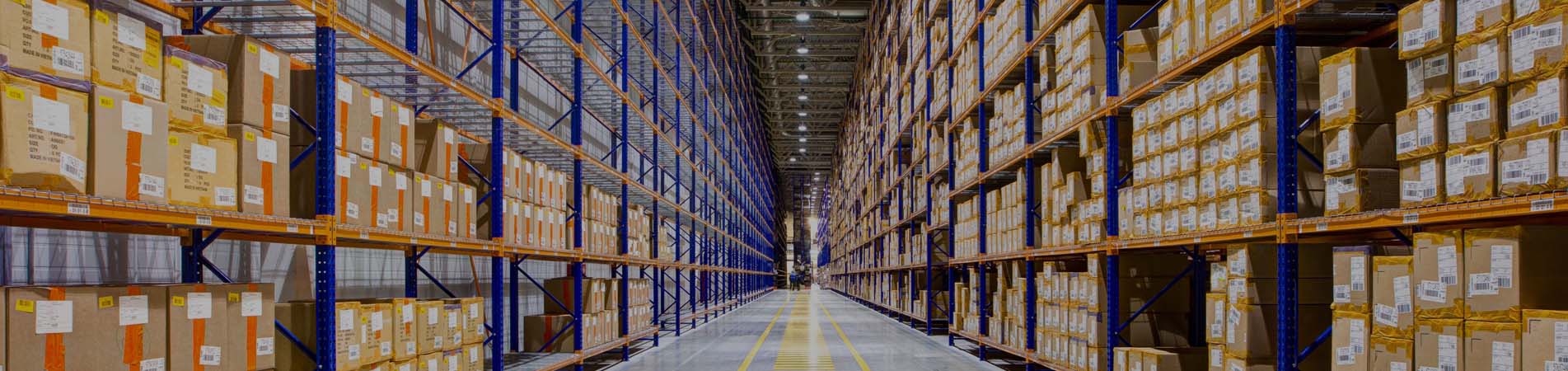
Warehouse relocation doesn’t have to mean leaving your valuable mezzanine floor behind or starting from scratch.
A warehouse mezzanine is a raised steel platform installed inside a building to create additional usable space. Instead of expanding your warehouse footprint, mezzanines allow businesses to utilize vertical space, effectively doubling or even tripling storage capacity. They are widely used for storage, picking operations, offices, and light production areas.
Many warehouse managers assume mezzanines are permanent structures. In reality, modern modular mezzanine systems can be dismantled, moved, and reassembled with the right planning and equipment.
That’s where Heda Shelves stands out. As a professional manufacturer of mezzanine racking and floor systems for industrial and commercial storage, Heda designs platforms with modular, bolt-together structures that allow easy relocation, expansion, and reconfiguration as business needs change.
In this guide, we’ll walk through the complete step-by-step process for relocating a warehouse mezzanine, while also showing why choosing a Heda Shelves mezzanine system from the start saves time, money, and operational headaches in the long run.
Why Warehouse Mezzanine Floors Are a Smart Storage Investment?
A mezzanine floor is one of the most efficient ways to increase warehouse storage capacity without moving to a larger building. When designed properly, it provides flexibility, cost savings, and long-term operational efficiency.
Maximize Vertical Space Without Expanding Your Building
Most warehouses use only a fraction of their available vertical space. A mezzanine platform allows companies to take advantage of unused overhead space and convert it into productive storage or workspace.
With a mezzanine racking system, businesses can:
Double or triple usable storage area
Create multiple picking levels
Separate storage zones for improved organization
Utilize space above existing racking or workstations
Heda Shelves mezzanine systems can be customized with 2–5 storage layers, maximizing vertical capacity while maintaining safe access and structural stability.
Cost-Effective Alternative to Warehouse Expansion
Building expansions or relocating to a larger warehouse can be extremely expensive. A mezzanine provides a far more affordable solution.
Key cost advantages include:
Lower construction costs compared to building expansion
Faster installation times
Minimal disruption to daily operations
Reduced need for facility relocation
Because Heda mezzanine systems use modular bolt-together components, installation is fast and efficient, making them an ideal solution for growing warehouses.
Flexible Design for Changing Business Needs
Warehouses evolve as product lines expand and logistics requirements change. A fixed storage system can quickly become outdated. Heda Shelves designs mezzanine platforms with modularity in mind, allowing businesses to:
Expand existing structures
Modify layouts
Add additional levels
Relocate platforms to new facilities
This flexibility ensures that the mezzanine continues to deliver value even as operations change.
Improved Safety, Organization, and Workflow
A well-designed mezzanine system does more than increase storage—it improves overall warehouse efficiency.
Typical features include:
Integrated staircases
Safety guardrails
Pallet loading gates
Anti-slip decking
Lift integration for material movement
These elements help create a safer, more organized workspace, improving productivity and reducing operational risk.
Can You Actually Move a Mezzanine Floor?
Yes—a warehouse mezzanine can absolutely be relocated, provided it was designed as a modular structure.
Traditional mezzanine floors built with welded frames or integrated concrete platforms are often difficult or impossible to dismantle without damaging the structure. However, modern modular mezzanine racking systems—like those produced by Heda Shelves—are specifically engineered for disassembly and reuse.
These systems use:
Bolt-together steel columns
Modular beams and decking panels
Removable staircases and guardrails
Adjustable structural components
Because each component can be separated without cutting or welding, the entire platform can be taken apart, transported, and rebuilt in another location.
Heda Shelves systems are designed with easy component integration and clear structural layouts, making relocation straightforward while preserving the value of the original installation. So build a warehouse mezzanine is esstantial to grow with your business, rather than becoming obsolete when your facility changes.
How to Move a Warehouse Mezzanine to a New Location
Relocating a mezzanine requires careful planning, safety awareness, and an organized dismantling process. Thanks to the modular structure of Heda Shelves mezzanine systems, the relocation process can be completed efficiently.
Below is the recommended step-by-step approach.
Step 1: Pre-Move Planning and Site Assessment
Before dismantling begins, it’s essential to evaluate the new warehouse location.
Important factors include:
Ceiling height to accommodate the mezzanine structure
Floor load capacity to support structural columns
Column spacing for proper beam placement
Operational workflow requirements
Businesses should review their existing mezzanine layout and compare it to the new facility’s available space.
Heda Shelves provides professional CAD and 3D layout drawings, allowing businesses to visualize the structure in the new warehouse. All stored inventory should be cleared from the mezzanine, and the structure should be inspected for any wear or damage.
Step 2: Safe Disassembly (Reverse of Installation)
Disassembly follows the reverse order of installation.
Typical dismantling steps include:
Remove guardrails and safety accessories
Detach staircases and loading gates
Remove decking panels
Disconnect horizontal beams
Disassemble support columns
All components should be carefully labeled and organized during the process.
Step 3: Secure Packaging and Transportation
After dismantling, the components must be prepared for transportation.
Recommended packaging practices include:
Bundling beams and columns together
Packing small components in labeled containers
Wrapping decking panels to prevent scratches
Securing materials on pallets
Step 4: Reassembly at the New Location
Once components arrive at the new warehouse, reinstallation can begin.
Installation typically follows this sequence:
Position and anchor structural columns
Connect primary and secondary beams
Level and align the framework
Install floor decking panels
Attach guardrails, staircases, and loading gates
Step 5: Final Inspection and Optimization
The final stage involves confirming that the structure is secure and safe.
Inspection should verify:
Proper bolt ti
Structural alignment
Safe stair and railing installation
Adequate load capacity
If necessary, the mezzanine layout can be adjusted to better match the workflow of the new facility.
Conclusion
Relocating a warehouse mezzanine doesn’t have to be complicated. With a well-designed modular system, the structure can be safely dismantled, transported, and reinstalled in a new facility with minimal disruption.
Mezzanine racking systems offer major benefits for warehouse operations, including increased storage capacity, improved workflow, and cost savings compared to building expansion.
With Heda Shelves’ modular mezzanine systems, businesses gain a storage solution that is durable, flexible, and designed for future growth.
Ready to optimize your warehouse space?
Contact Heda Shelves today to receive a free 3D design and quotation for your custom mezzanine floor racking system—and build a storage solution that grows with your business wherever it moves next.