Key Takeaway
Heavy duty racking uses thicker uprights and beams than light duty racking, delivering much higher load capacity and structural strength. For cantilever racking, heavy duty versions require a heavier, more reinforced base to handle longer and bulkier loads safely without tipping or deformation.
What is Heavy Duty Racking
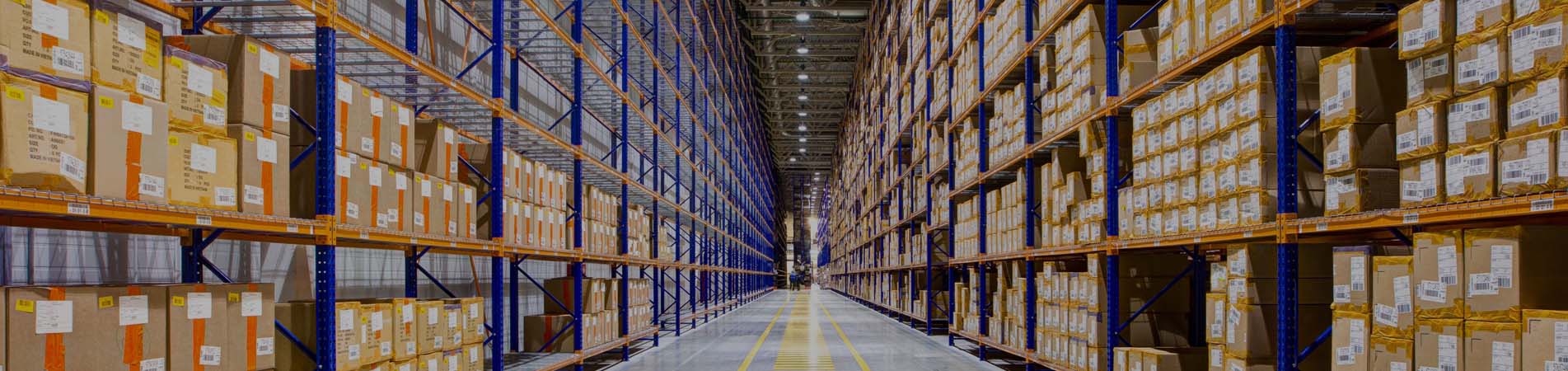
Heavy duty racking is a robust storage system engineered for large, heavy, or palletized goods in demanding industrial environments. It prioritizes maximum strength, durability, and safety under constant heavy use, often involving forklifts and high-volume operations.
These systems are built with high-grade thick steel uprights, beams, and reinforcements that resist bending, warping, or corrosion. Load capacities typically range from hundreds to several tons per level, making them ideal for bulky items, machinery parts, raw materials, or stacked pallets.
Common applications include warehouses, manufacturing plants, distribution centers, automotive facilities, and cold storage. The design optimizes vertical space while ensuring easy access with mechanical handling equipment, boosting productivity and reducing damage risks.
What is Light Duty Racking
Light duty racking is a flexible, economical storage solution designed for smaller, lighter items that require easy organization and quick manual access. It focuses on versatility, simple assembly, and cost-effectiveness rather than extreme load-bearing strength.
Constructed from lighter-gauge steel or aluminum, these racks are lightweight, portable, and often feature boltless or slotted designs for fast height adjustments. Load capacities are generally limited to 150–800 kg per level (depending on configuration), suitable for boxes, files, tools, small parts, or retail stock.
You’ll commonly find light duty racking in retail backrooms, offices, small workshops, garages, libraries, or home storage areas. Its modular nature makes it perfect for dynamic environments where frequent reconfiguration is needed without professional installation.
The Difference Between Light Duty Racking and Heavy Duty Racking
The core differences stem from load requirements, material thickness, design priorities, and usage intensity. Here’s a clear breakdown:
Load Capacity: Heavy duty racking supports thousands of kilograms per level for bulk and heavy goods. Light duty handles lighter loads, typically under 800 kg, suited for manual handling.
Material and Construction: Heavy duty uses thicker steel uprights and beams for superior strength and longevity. Light duty employs thinner, lighter materials for ease of movement and assembly.
Design Flexibility: Heavy duty prioritizes stability with fixed or semi-adjustable pallet/cantilever setups. Light duty offers high modularity with boltless shelving or slotted angles for quick changes.
Installation and Maintenance: Heavy duty often requires professional installation, tools, and sometimes forklifts due to its size and weight. Light duty is easy to assembly and needs minimal ongoing maintenance (though overloading shortens lifespan).
Durability: Heavy duty withstands heavy traffic, impacts, and harsh conditions for years. Light duty is durable for its intended use but can deform if misused.
Heavy duty systems invest in long-term performance, while light duty emphasizes affordability and convenience.
For Longspan Shelving
Longspan shelving bridges the gap between light and heavy duty but varies significantly by type.
Light Duty Longspan: Uses thinner beams and frames for loads around 300–800 kg per level. Ideal for hand-loaded items like cartons, small parts, or archive boxes. Easy to assemble and reconfigure, perfect for retail or light industrial picking areas.
Heavy Duty Longspan: Features thicker uprights and beams capable of 1,000+ kg per level. It supports heavier manual or semi-mechanized loads while maintaining wide spans for better accessibility. Suited for medium-to-heavy stock in warehouses needing direct access without full pallet racking.
Heavy duty longspan provides greater stability and load distribution, but it costs more and may require reinforced flooring.
For Pallet Racking
Pallet racking is predominantly a heavy duty solution, though lighter variants exist for smaller operations.
Heavy Duty Pallet Racking: Built with robust upright frames and beams to hold 1–4+ tons per level. Designed for forklift access, high-density storage, and selective, drive-in, or push-back configurations. Essential for warehouses handling uniform palletized goods.
Light Duty Pallet Racking (or similar shelving): Rare for true pallets; instead, lighter versions mimic pallet styles but with reduced capacity (under 1,000 kg). Used in small warehouses or backrooms for lighter pallets or stillages, often with manual or light equipment access.
The main distinction is structural reinforcement—heavy duty versions prevent collapse under dynamic loads and impacts.
For Cantilever Racking
Cantilever racking excels at storing long, irregular, or bulky items like pipes, lumber, steel bars, or furniture.
Light Duty Cantilever: Features smaller columns and arms with capacities from a few hundred to around 2,000 pounds per arm. Suitable for hand-loaded or lighter long materials in workshops or retail. Easier to install but limited in scale.
Heavy Duty Cantilever: Requires thicker uprights, heavier bases, and reinforced arms to support several tons. The base must be substantially heavier and wider for stability against tipping. Ideal for industrial storage of heavy timber, pipes, or sheets, often with forklift or crane access.
Heavy duty cantilever prioritizes a solid foundation and arm strength, while light duty focuses on flexibility and lower cost.
Applicable Scenarios for Each Type
Heavy Duty Racking shines in:
Large industrial warehouses and distribution centers handling palletized or bulk heavy goods.
Manufacturing and automotive plants storing machinery, engines, or raw materials.
Cold storage or high-traffic environments needing impact resistance.
Facilities using forklifts daily for high-volume operations.
Light Duty Racking is best for:
Retail backrooms or small shops organizing stock for easy restocking.
Offices, libraries, or archives storing files, boxes, and documents.
Home garages, workshops, or small businesses with lighter, frequently accessed items.
Temporary or frequently reconfigured storage needs.
Choose based on your load weights, handling methods, space constraints, and growth plans.
How to Choose the Right Racking for Your Needs
Assess Your Loads: Calculate maximum weight per level, item dimensions, and handling frequency. If items exceed 800–1,000 kg or require mechanical equipment, lean toward heavy duty.
Evaluate Space and Access: Measure available floor area, ceiling height, and aisle widths. Consider forklift vs. manual access.
Consider Durability and Environment: Factor in traffic, temperature, humidity, or corrosion risks. Heavy duty performs better in harsh conditions.
Budget and ROI: Balance initial cost with lifespan, maintenance, and productivity gains. Heavy duty often pays off faster in high-volume settings.
Safety and Compliance: Ensure racks meet local load ratings, seismic requirements, and installation standards. Consult professionals for heavy duty systems.
Future Scalability: Opt for modular designs if your needs may grow.
Conclusion
Heavy duty racking and light duty racking each serve distinct purposes, one delivers unmatched strength for industrial-scale storage, while the other provides affordable flexibility for lighter applications.
By understanding their differences in construction, capacity, and ideal use cases (especially for longspan, pallet, and cantilever systems), you can select a solution that maximizes safety, efficiency, and value for your specific operation.
Investing in the right racking improves organization, reduces damage, and supports smoother workflows. If you’re planning a new warehouse setup or upgrade, evaluate your current and future needs carefully.
For tailored recommendations or high-quality options in both categories, feel free to reach out to racking experts who can help design a system that fits perfectly.