what are you looking for?
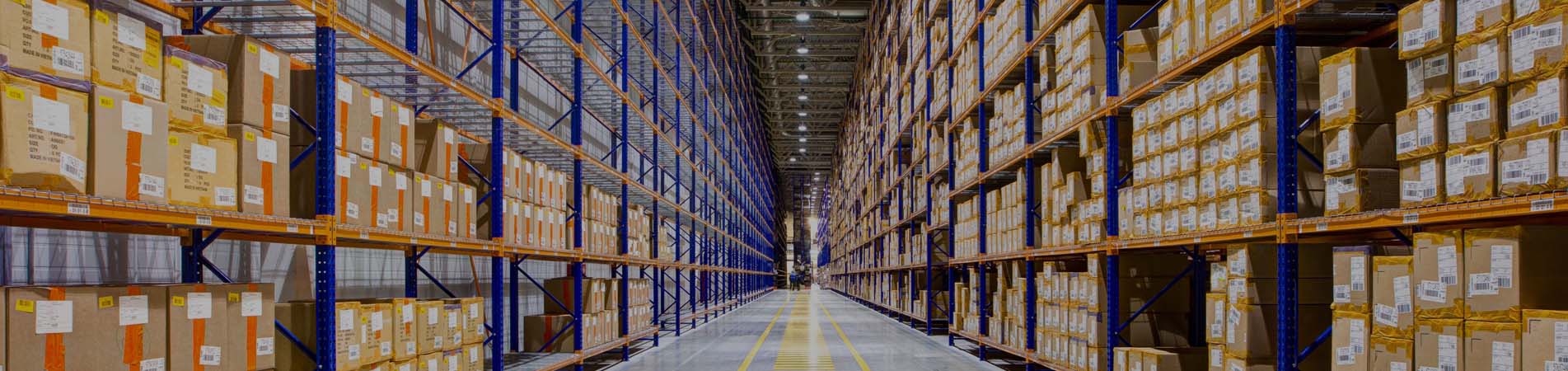
Retail store displays drive customer attention and influence purchasing decisions. They organize products while enhancing the shopping environment. Effective displays boost sales by highlighting merchandise strategically.
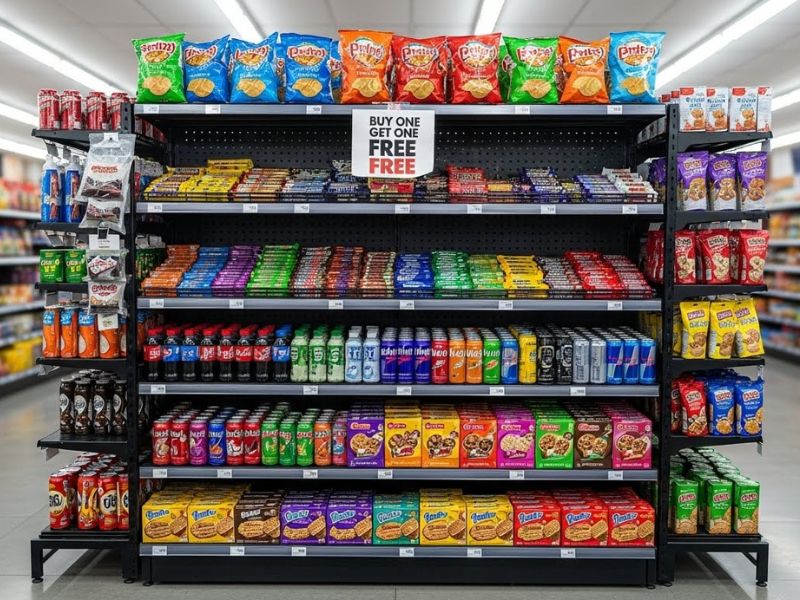
Defining Retail Store Display
Retail store displays refer to fixtures and arrangements that present products to shoppers. These include shelving units, racks, and stands designed for visibility and accessibility. Display racks, a core component, support items like clothing, groceries, or electronics. Visual merchandising integrates these elements to create appealing layouts that guide customer flow.
Retail displays address practical needs, such as inventory management in warehousing. They ensure products remain organized, reducing stock mishandling risks. In high-traffic stores, sturdy display racks prevent accidents from unstable setups.
The Importance of Retail Displays
Retail displays function as strategic tools in business by positioning products to capture shopper attention, guide movement through stores, and prompt purchases. They leverage visual elements like arrangement, lighting, color, and signage to evoke emotions, highlight promotions, and reduce decision-making effort. Placement exploits shopper habits, such as turning right upon entry in 90% of cases, to direct focus toward high-margin items.
Displays work by creating hierarchies where products stand out, using principles like minimalism to avoid clutter and interactive features like QR codes for deeper engagement. In operations, they optimize space, track performance via sales lift metrics, and adapt through testing to align with business goals.
Types of Retail Display Racks
Retail display racks vary to suit product needs and store layouts. Key types include:
A standard gondola shelving unit with adjustable shelves, arranged in modular sections and perfect for displaying a wide range of products in aisles.
Wall-mounted racks elevate and highlight stocked products. They showcase a variety of items on slatwall or pegboard systems arranged in a vertical formation.
A freestanding display with spinner or gridwall features is perfect for retail stores to showcase products that allow 360-degree access.
Counter Top Rack
Countertop racks are designed to hold various smaller products in a compact formation.
End-cap displays are positioned at aisle ends, designed to boost visibility for promotions like featured merchandise.
Dump Bins
Dump bins are an efficient way to make use of floor space. They can provide customers with quick access to a variety of discounted items quickly and easily.
Garment racks are specialized for clothing, including rolling or multi-tier designs perfect at showcasing apparel in an organized manner.
Each type addresses specific risks, like instability in freestanding units, by incorporating reinforced bases.
| Type | Best Use | Load Capacity (kg/shelf) | Material Options |
|---|---|---|---|
| Gondola Shelving | Aisles, heavy items | 50-120 | Metal, wood |
| Wall-Mounted | Vertical space | 30-50 | Slatwall, pegboard |
| Freestanding | Open areas | 40-80 | Wire, acrylic |
| Countertop | Checkouts | 10-30 | Wire, plastic |
| End-Cap | Promotions | 50-100 | Metal |
| Dump Bins | Bulk sales | 20-50 | Cardboard, wire |
| Garment Racks | Apparel | 40-60 | Metal tubing |
Design principles maximize display effectiveness. Focus on balance, where elements distribute evenly to avoid visual overload. Use harmony through consistent colors and materials to reinforce branding.
Proportion ensures displays scale appropriately—tall racks suit spacious stores, while compact ones fit tight areas. Movement guides eyes via curved lines or tiered shelves, directing attention to key products.
Color psychology plays a role: warm tones energize, cool ones calm. Lighting enhances visibility; LED spots highlight features, reducing shadows that obscure items.
Signage directs flow, with clear labels preventing confusion. Avoid clutter by spacing products, allowing easy access. Real-rule experience emphasizes testing designs for stability, as weak uprights fail under load.
Best Display Racks for Different Retail Stores
Selection depends on store type. Supermarkets favor gondola shelving for high-volume goods, supporting 100-200 kg per bay. Convenience stores opt for countertop racks to push impulse buys like snacks.
Clothing retailers use garment racks for easy browsing, with adjustable heights accommodating various sizes. Electronics stores employ display cases with secure locks, minimizing theft risks.
Specialty shops, like jewelry outlets, choose acrylic stands for elegance and visibility. Hardware stores rely on heavy-duty wire racks, handling tools up to 150 kg.
In all cases, prioritize safety: uprights must anchor firmly, per standards like SEMA guidelines, to withstand impacts.
Best Display Racks for Different Retail Stores
Display racks help stores show products in a neat and attractive way. When items are easy to see and reach, customers feel comfortable shopping and are more likely to buy. Different retail stores need different types of display racks. Below is a simple guide explaining the best display racks for various retail stores and how they are used.
Supermarkets & Grocery Stores
Gondola shelves are the most common type of retail display in grocery stores. They are placed in rows to create walking paths for customers. End-cap displays are found at the end of aisles and are used to show offers or popular items. Wire baskets are usually used for loose or discounted products so customers can pick items easily.
Common Display Racks:
Clothing & Fashion Stores
Garment racks hold clothes in an organized way so customers can browse comfortably. Wall racks save floor space and keep the store open and clean. Mannequins display complete outfits, helping shoppers see how clothes look when worn, which makes buying decisions easier.
Recommend Display Rack
Electronics Stores
Slatwall racks are used to hang accessories neatly. Glass cabinets protect expensive items while keeping them visible. Demo tables allow customers to touch and test products, which helps them feel confident before buying.
Recommend Display Racks:
Pharmacies & Health Stores
Medicine shelves keep products clearly arranged so customers can find items quickly. Countertop displays are used for small health products placed near the billing area. Secure cabinets are used for medicines that need controlled access while still being visible.
Recommend Display Rack
Home Décor & Furniture Stores
Open shelves show home décor items clearly and neatly. Platform displays lift products slightly to make them stand out. Room-style displays help customers imagine how the products will look in their own homes, making shopping more enjoyable.
| Type | Best Use | Load Capacity (kg/shelf) | Material Options |
|---|---|---|---|
| Gondola Shelving | Aisles, heavy items | 50-120 | Metal, wood |
| Wall-Mounted | Vertical space | 30-50 | Slatwall, pegboard |
| Freestanding | Open areas | 40-80 | Wire, acrylic |
| Countertop | Checkouts | 10-30 | Wire, plastic |
| End-Cap | Promotions | 50-100 | Metal |
| Dump Bins | Bulk sales | 20-50 | Cardboard, wire |
| Garment Racks | Apparel | 40-60 | Metal tubing |
How to Turn a Good Retail Display into an Excellent One: Display Tips
Begin by evaluating existing arrangements. Track foot traffic patterns to identify high-engagement zones. Use sales data to pinpoint underperforming areas—displays generating 20% less revenue signal needed changes. Observe shopper interactions: lingering indicates appeal, while quick bypasses suggest invisibility. Real-world experience shows quarterly audits reveal clutter buildup, which reduces perceived value.
Lighting elevates displays from functional to focal. Add LED spotlights to highlight key items, increasing attention by creating contrast. Warm lights suit cozy products like apparel, while cool tones energize electronics. Avoid shadows that dull colors; proper illumination makes products pop, psychologically triggering desire through enhanced perceived quality.
Refine color schemes to influence mood. Introduce accents like red for urgency in promotions or blue for trust in staples. Coordinate with branding to build cohesion—mismatched hues confuse shoppers. Studies from the Color Marketing Group affirm that color boosts brand recognition by 80%, turning good displays into memorable ones.
Reposition items strategically. Place high-margin goods at eye level, exploiting the "golden zone" where 70% of purchases originate. Group complementary products to encourage cross-buying, such as pairing accessories with main items. Rotate stock seasonally to maintain freshness, combating habituation where familiarity breeds indifference.
Strengthen structures to prevent risks. Reinforce uprights with thicker gauges for heavier loads, adhering to SEMA standards. Even distribution avoids tipping—place dense items low. Safety enhancements build trust, allowing shoppers to browse freely without worry.
Enhance with clear, concise signs. Use bold fonts for prices and benefits, reducing hesitation. Directional arrows guide flow, minimizing congestion. Effective signage clarifies value, psychologically easing decisions and elevating the display's impact.
For expert guidance on these optimizations, contact HEDA SHELVES for free design consultations that transform your retail space.
Schedule regular cleanings to keep displays pristine. Dust and disarray detract from excellence. Train staff on quick resets, maintaining peak condition during hours. Pristine setups signal quality, psychologically reinforcing brand reliability.
Put Your Best Face Forward With Store Displays
Store displays rack play a crucial role in any business’s visual marketing and merchandising strategy. Read our fast guide to understand how to choose the right store display rack for your retail store. If you are ready to take one-stop solution or have more questions about custom display stands or retail store shelves, please contact us or request a quote now. HEDA SHELVES specialists are always prepared and eager to improve your retail store business.


Hi! Click one of our members below to chat on