what are you looking for?
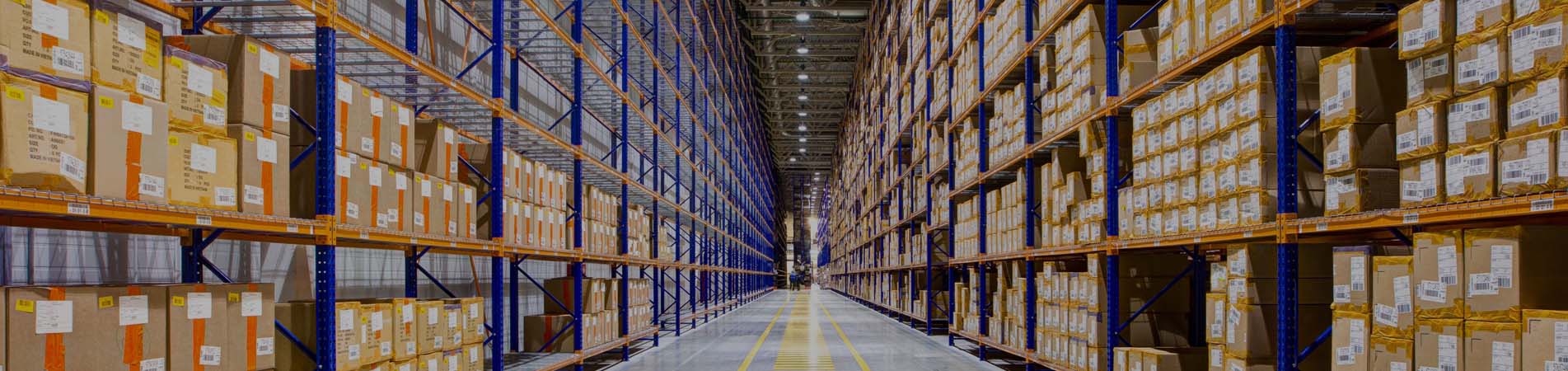
Are you finding a higher turnover storage solution? When your logistic business growth, messy warehouse workflow and traditional racking system not enough to fit your needs. Enter the pallet flow rack system: a smart, gravity-powered answer for high-volume storage and rapid turnover needs. But what makes it a better solution for logistics, retail, and distribution centers?
In this post, discover what pallet flow racks are, how they work, why they're essential, and the seven core advantages to boost your warehouse’s efficiency.
What Is a Pallet Flow Rack System?
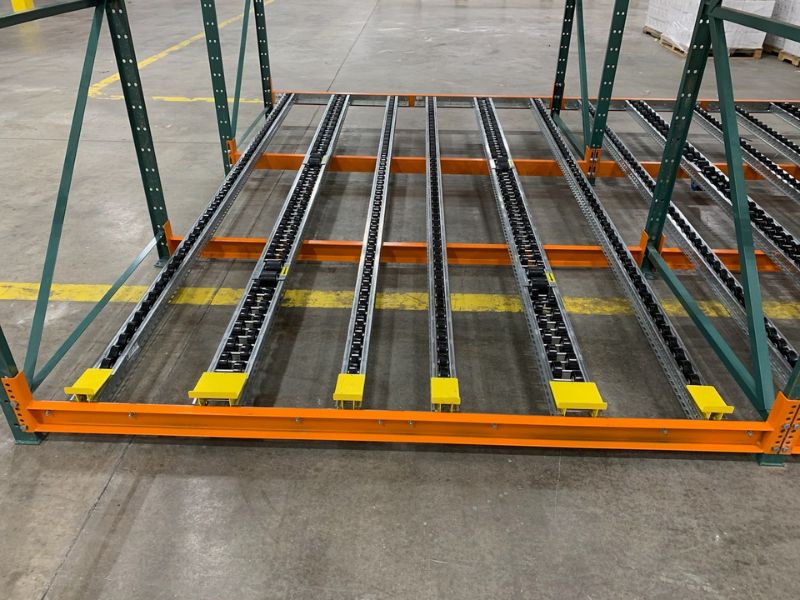
A pallet flow rack is a high-density, dynamic storage system engineered for fast-paced material handling. Pallets are loaded at the back of each lane, then move automatically along sloped roller rails toward the picking face, powered by gravity. This enables FIFO (first-in, first-out) inventory rotation, minimal operator intervention, and smooth, continuous pallet movement.
Key Specifications
How Does It Work? Specifications & Core Features
Pallet flow rack systems operate on a simple principle: let gravity handle the heavy lifting. Each rack lane features an inclined set of rollers or skate wheels secured within durable steel frames. Warehouse staff load pallets onto the higher end of the channel, and each pallet then rolls smoothly down toward the picking face, automatically queued and ready for retrieval.
Key Technical Features:
7 Benefit of Pallet Flow Racking For Logistic
1. Supercharged Storage Density for All Inventory Profiles
Pallet flow racking allows high-density storing of fast-moving goods or diverse SKUs, helping distribution centers and e-commerce facilities efficiently use every inch of floor and vertical space. Multi-lane setups let warehouses organize hundreds of SKUs with maximum efficiency, which is essential for sites juggling variety and volume.
2. Effortless FIFO for Date-Sensitive Products
Bulk food, beverage, and pharmaceutical warehouses rely on pallet flow racking’s perfect FIFO rotation to minimize expired inventory and maintain compliance. In channels configured for specific lots or batches, the next-in-line product is always closest to the pick face—supporting quality control and traceability.
3. Rapid Handling for Cross-Docking & Consolidation
Pallet flow racks shine in cross-dock and consolidation operations, where fast inbound-to-outbound movement is critical. Inventory automatically advances to the picking face, creating a seamless flow for order sorting, staging, and shipment.
4. Streamlined Management of Seasonal and Promotional Stock
The ability to dedicate lanes to seasonal, high-turnover, or promotional SKUs allows for quick restocking and instant pick access as order volumes spike—effectively supporting dynamic warehouse operations during peak seasons.
5. Reduced Labor, Travel Distance, and Traffic Congestion
Separation of loading and picking aisles, together with gravity-driven movement, minimizes forklift travel and manual retrieval. This not only saves labor hours but cuts equipment wear and operational costs while boosting throughput.
6. Lowered Damage and Safer Workflows
Controlled pallet movement and clear pick/lane organization reduce handling-related product damage, which is especially important in high-volume or cold storage environments. Dedicated, one-way aisles further lower the risk of collisions or worker injuries.
7. Adaptable Configurations for Specialized Operations
Pallet flow racking can be tailored for high SKU variety, bulk pallets, or even cold chain logistics. Its modular design makes it easy to scale as inventory needs shift, ensuring logistics warehouses stay responsive to changing operational demands.
Closing Thoughts: Is Pallet Flow Right for Your Warehouse?
If your facility handles large volumes, diverse SKUs, and demands rapid fulfillment, pallet flow rack systems offer substantial returns—in both cost savings and operational agility. Remember, the best results come from custom planning: analyze your pallet specifications, turnover rates, and SKU variety to shape an optimal solution.
Need more insights on optimizing your warehouse layout or planning a pallet flow rack installation? Reach out to HEDA SHELVES racking system specialist for custom advice and start building efficiency today.


Hi! Click one of our members below to chat on