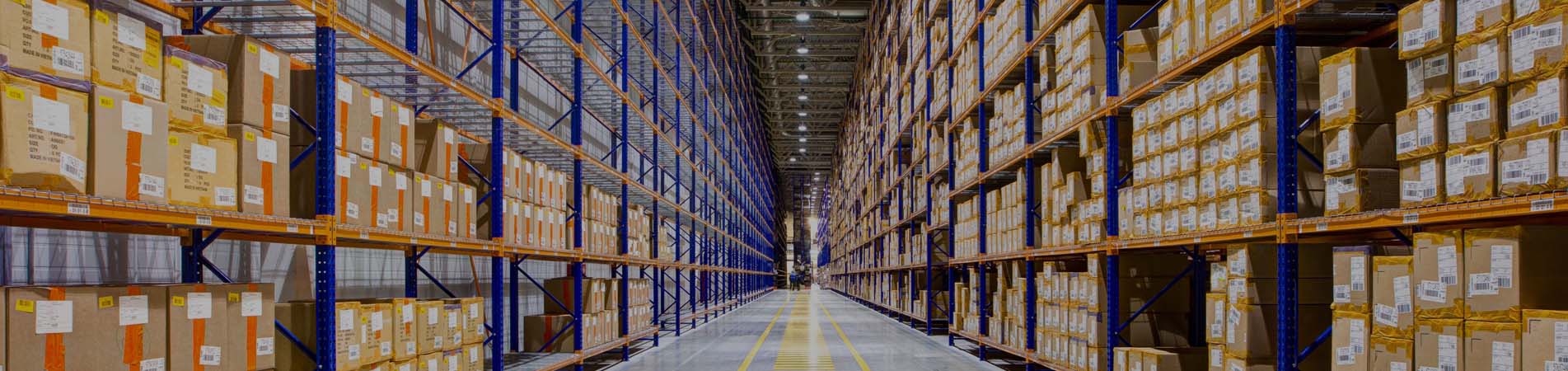
Struggling to find the best racking system for your coldroom or warehouse? Choose a drive-in racking is a good choice. In this guide, we break down the true dimensions of drive-in racking and explain how to match it with the perfect pratical, so you can create a setup that’s safe, stylish, and space-efficient.
What Are the Actual Dimensions of Drive-in Racking System?
Height: The standard dimensions for drive-in pallet racks in Canada and the USA are 42 inches deep and 120 inches high, though standard rack uprights reaching up to 20 feet tall What Are Some Challenges to Employing a Warehouse Racking System are common. For cold storage applications, heights typically range from 10-20 feet to optimize energy efficiency and maintain temperature control.
Depth:
Drive-in systems accommodate 2-10 pallet positions deep, with the depth of each lane is the sum of the depth of all the pallets (including the load dimensions if the load overhangs) Standard pallet dimensions of 48" x 40" determine the basic lane depth, with additional clearance for safe forklift operation.
Width: The standard bay width for drive-in racking typically ranges from 8 to 12 feet, accommodating single or double-deep pallet storage configurations. The width must account for pallet overhang and structural support requirements.
Aisle Width
Aisle widths for drive-in systems typically require 10-12 feet minimum to allow forklifts safe entry and exit from the racking structure. Keep 4-6 inches of space between pallet rack levels for smooth forklift operation, with additional clearance needed in cold storage environments where forklift operation may be slower and more cautious.
Low-Temperature Food & Beverage Warehouse for Cherry Storage
For a cherry storage facility operating at 32-34°F, specific dimensional considerations include:
Storage Level Height: For GP, Z, and FC rail systems, the storage level height equals the pallet height plus 8" to 10", while for C and DR rail systems, it equals the pallet height plus 10" to 12". Cherry pallets typically measure 48" high, requiring 56-60" level spacing.
Temperature Considerations: stored pallets can be loaded and unloaded in FIFO or LIFO mode in freezing chambers with temperatures as low -30ºC Diferencias entre Estanterías Drive in y Drive through, though cherry storage operates at milder refrigeration temperatures. Cold storage racking systems are special rack systems designed to distribute the heat evenly in the room and prevent heat loss Understanding Drive-In / Drive-Through Pallet Rack Systems |.
Material Specifications: Cold storage drive-in racks require specialized coatings and materials to prevent condensation and corrosion. The frame dimensions remain standard, but structural components need enhanced protection against moisture and temperature fluctuations common in cherry storage environments.
Layout Optimization: Cherry warehouses benefit from drive-in systems due to seasonal harvesting patterns and bulk storage requirements. The LIFO nature works well for short-term storage (cherries have 2-3 week shelf life), with lane depths of 4-6 pallets optimal for inventory rotation and accessibility.
Understanding Pallet Racking Size and dfferent of Drive-in rack
The key dimensional difference lies in the rail system design, which eliminates the need for individual beam levels at each pallet position.
Drive-in racks differ significantly from selective racking in their dimensional requirements, as they prioritize storage density over individual pallet accessibility.
Unlike selective racks where each pallet position is accessible from the aisle, drive-in systems create continuous storage lanes where pallets are stored 2-10 deep.
Why These Dimensions Matter
These dimensions matter because they directly impact how efficiently you can use your warehouse space, how safely you can store heavy loads, and how easily your staff can access inventory. Choosing the right size ensures you maximize storage capacity without compromising safety or accessibility.
How to Make Sure Drive-in Racking Fits in Your Space?
To ensure your drive-in racking fits, measure your available floor space and ceiling height, then match these to the rack’s depth, width, and height requirements. Also, consider forklift maneuverability and space for safe operation, as well as any building features like columns or sprinklers that could affect installation.
What Is the Inventory You Store?
The type of inventory you store determines if drive-in racking is suitable, as it works best for large volumes of similar items with low turnover or non-perishable goods. Products needing frequent rotation or varied SKUs may require a different racking system.
Food & Beverage
Drive-in racking is widely used in the food and beverage industry for storing bulk products, especially those that can be stacked deep and do not require frequent access.
Cold Storage
Cold storage facilities benefit from drive-in racks because they maximize storage density in expensive, temperature-controlled environments, reducing energy costs and optimizing space.
Long-term Item
Drive-in racks are ideal for long-term storage of items with low turnover, as the last-in, first-out (LIFO) system fits products that don’t need to be accessed regularly.
Measure Your Space Properly
Accurate measurement is crucial—measure the length, width, and height of your storage area, accounting for obstructions and required clearances. Also, factor in forklift aisle space and any safety regulations like fire codes or sprinkler requirements.
Warehouse Layout Considerations
Consider your warehouse’s overall layout, including the placement of doors, columns, and traffic flow, to ensure drive-in racks won’t block access or disrupt operations. The system’s depth and height must align with your warehouse’s design for optimal efficiency.
Will Your business Fit a drive-in rack?
Your business is a good fit for drive-in racking if you store large quantities of similar products, have limited space, and don’t require frequent access to every pallet. If you need high selectivity or deal with many SKUs, a different system may be better
Choosing the Right Racking System Supplier
Choosing the right supplier is crucial for ensuring your warehouse racking is safe, efficient, and compliant. A great supplier is a partner in your operational success. Foucs on the following
Engineering Expertise & Compliance
Manufacturing Quality
Full-Service Provider
Experience & Reputation
Product Range & Customization
Lead Time & Inventory
After-Sales Support
If you finding one-stop drive-in racking solution,contact HEDA SHELVES for expert help. Our racking system service for many distribution center like cherry warehouse, beef or package food warehouse, etc.
Common Problems Buyer Face When Searching for "drive-in rack"
How to Choose Suitable Racking System, Selective racking or Drive-in rack?
Selective racking offers better accessibility and is ideal for diverse products with frequent rotation, while drive-in racking maximizes storage density for large volumes of similar items. Your choice depends on your inventory type and how often you need to access each pallet.
Cost Condition: How Much is the Drive-in Racking, big brand or China Manufacturer
Drive-in racking costs vary by brand, material, and origin. Chinese Drive-in racking manufacturers often offer lower prices, but you should consider shipping, quality, and compatibility with local standards. Sometimes, the savings are less than expected after factoring in logistics and replacement costs.
Difficulty Installing or Mounting the Drive-in Racking
Installation can be complex, requiring level floors, precise measurements, and skilled labor to ensure safety and stability. Always use professional installers or follow detailed manufacturer instructions to avoid structural issues and ensure compliance with safety regulations.
FAQ
Can drive-in racks be combined with other racking systems?
Yes, drive-in systems can be combined with push-back or pallet flow racks to create a customized storage solution that balances density and selectivity.
Can drive-in racks be reconfigured?
Reconfiguration is possible but limited, mainly to adjusting lane widths or system depth. Major changes may require additional components or engineering.
What factors affect the price of a drive-in racking system?
Storage capacity and warehouse layout
Type and weight of goods stored
Structural steel vs. roll-formed construction
Additional features like column protection or guide rails
Installation and maintenance requirements
Can drive-in racks be customized?
Yes. Drive-in racking can be tailored for different bay depths, pallet sizes, and warehouse layouts. Double-entry systems and custom configurations are available to further optimize space.
Conclusion
When looking for cost-efficiency warehouse racking system, it’s essential to choose a rich experience manufacturer for drive-in racking solution. Whether you're opting for a new warehouse with drive-in & drive-thru racking, understanding these dimensions will ensure a high efficiency warehouse storage solution and help your business growth.
By considering compatibility, Contact HEDA SHELVES, a leading warehouse racking system supplier since 2001. Our Drive-in racking suit for many warehouse like fruit warehouse, cold storage, and building material storage. Get Free Quota Now.
Selecting the optimal warehouse racking system is pivotal to maximizing space utilization, enhancing operational efficiency, and safeguarding your inventory. A well-designed racking solution can dramatically improve productivity and cost-effectiveness. However, with a myriad of options available, making the right choice can be daunting. This article offers ten essential tips to guide you through the process of selecting the ideal warehouse racking system for your specific needs.
What is Warehouse Racking?
Warehouse racking refers to a storage system comprising upright frames and horizontal beams that support shelves or pallets. It provides a structured framework for organizing and accessing stored goods efficiently. Racking systems are indispensable in warehouses, distribution centers, and manufacturing facilities, contributing to streamlined operations and inventory control.
5 Key Factors Making Warehouse Picking Slow
Before delving into racking solutions, it's crucial to identify factors hindering efficient warehouse picking. Addressing these issues can significantly enhance overall performance, even before implementing new racking systems.
Inadequate Storage Capacity: Insufficient storage space leads to disorganized inventory, prolonged search times, and increased picking errors.
Poor Product Accessibility: Difficulty in reaching and retrieving items due to improper racking or storage layout results in time wastage and reduced productivity.
Suboptimal Warehouse Layout: Inefficient warehouse flow and layout can create bottlenecks, impede movement, and slow down picking processes.
Lack of Inventory Control: Inadequate inventory management systems hinder accurate stock tracking, leading to stockouts, overstocking, and inefficient picking.
Substandard Material Handling Equipment: Outdated or malfunctioning equipment hampers picking efficiency and increases the risk of damage to products and personnel.
10 Tips for Choosing the Right Warehouse Racking
Assess Your Inventory: Conduct a thorough analysis of your inventory, considering product dimensions, weight, quantity, and turnover rates. This information is essential for determining the appropriate racking type and capacity.
Define Storage Requirements: Clearly outline your storage needs, including the types of products to be stored, access frequency, and order picking methods.
Measure Warehouse Dimensions: Accurately measure the available warehouse space, including ceiling height, floor load capacity, and column spacing. These dimensions will dictate the racking system's configuration and size.
Consider Budget Constraints: Establish a realistic budget for the racking system, including installation and potential future expansions.
Prioritize Safety: Opt for racking systems that comply with safety standards and regulations. Consider features such as bracing, anchoring, and load indicators.
Choose the Right Racking Type: Select a racking type that aligns with your inventory characteristics and operational requirements. Common types include selective pallet racking, drive-in/drive-thru racking, push-back racking, and cantilever racking.
Optimize Space Utilization: Maximize warehouse space efficiency by carefully planning racking layout and considering factors such as aisle width, racking depth, and clearance.
Invest in Quality: Prioritize durability and longevity by choosing high-quality racking materials and construction. A robust racking system withstands heavy loads and minimizes maintenance costs.
Consider Scalability: Select a racking system that can accommodate future business growth and inventory expansion.
Seek Expert Advice: Consult with experienced warehouse racking specialists to leverage their expertise and ensure the optimal solution for your specific needs.
Types of Warehouse Racking
Selective Pallet Racking: Offers direct access to each pallet, ideal for diverse product types and frequent order picking.
Drive-in/Drive-thru Racking: Maximizes storage density, suitable for high-volume, first-in-first-out (FIFO) or last-in-first-out (LIFO) inventory.
Push-back Racking: Increases storage capacity in limited space, well-suited for high-density storage and FIFO inventory management.
Cantilever Racking: Designed for long, bulky, or irregularly shaped items, commonly used in lumberyards and hardware stores.
Mezzanine Racking: Creates additional storage space by utilizing vertical space, ideal for increasing storage capacity in warehouses with limited floor area.
Conclusion
Selecting the appropriate warehouse racking system is a critical decision impacting operational efficiency, inventory management, and overall warehouse performance. By carefully considering factors such as inventory characteristics, storage requirements, space constraints, and budget, businesses can optimize their racking solutions and achieve significant improvements in productivity and cost-effectiveness.Contact Heda Racking for Free Quote.
Medium duty pallet racking are a type of racking system used for storing goods, typically suitable for warehouses or commercial spaces with moderate loads and capacities. These industrial racking typically feature the following characteristics:
1. Load Capacity: Designed to accommodate medium-weight goods, with each level typically supporting loads ranging from 500 kg to 2000 kg.
2. Sturdy Structure: The pallet shelving structure is stable, capable of supporting the vertical storage of medium-sized goods, ensuring overall stability.
3. Adjustable Shelves: Equipped with adjustable shelves to accommodate goods of varying heights and optimize vertical space.
4. Versatility: Suitable for storing a variety of shapes and sizes of items, including boxed goods and small items.
5. Easy Assembly: Most warehouse shelving racks are designed for easy assembly and adjustment.
6. Ventilation: Some rack designs consider ventilation for goods, preventing dust accumulation and maintaining the freshness of stored items.
7. Adaptability: Widely used in retail, manufacturing, logistics centers, and distribution centers, providing an effective solution for storage and logistics.
8. Labeling and Classification: Provides slots for labels or signage, facilitating the classification and marking of stored goods.
9. Durable Materials: Typically constructed from durable materials such as cold-rolled steel to ensure a long lifespan.
Warehouse racking system play a crucial role in various industries by providing efficient storage and logistics solutions.