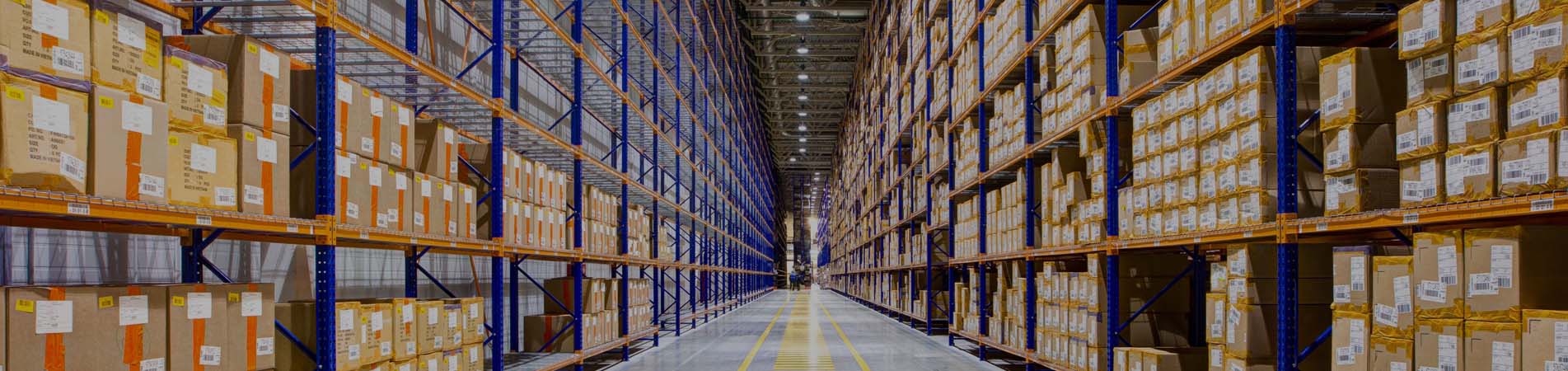
Warehouse relocation doesn’t have to mean leaving your valuable mezzanine floor behind or starting from scratch.
A warehouse mezzanine is a raised steel platform installed inside a building to create additional usable space. Instead of expanding your warehouse footprint, mezzanines allow businesses to utilize vertical space, effectively doubling or even tripling storage capacity. They are widely used for storage, picking operations, offices, and light production areas.
Many warehouse managers assume mezzanines are permanent structures. In reality, modern modular mezzanine systems can be dismantled, moved, and reassembled with the right planning and equipment.
That’s where Heda Shelves stands out. As a professional manufacturer of mezzanine racking and floor systems for industrial and commercial storage, Heda designs platforms with modular, bolt-together structures that allow easy relocation, expansion, and reconfiguration as business needs change.
In this guide, we’ll walk through the complete step-by-step process for relocating a warehouse mezzanine, while also showing why choosing a Heda Shelves mezzanine system from the start saves time, money, and operational headaches in the long run.
Why Warehouse Mezzanine Floors Are a Smart Storage Investment?
A mezzanine floor is one of the most efficient ways to increase warehouse storage capacity without moving to a larger building. When designed properly, it provides flexibility, cost savings, and long-term operational efficiency.
Maximize Vertical Space Without Expanding Your Building
Most warehouses use only a fraction of their available vertical space. A mezzanine platform allows companies to take advantage of unused overhead space and convert it into productive storage or workspace.
With a mezzanine racking system, businesses can:
Double or triple usable storage area
Create multiple picking levels
Separate storage zones for improved organization
Utilize space above existing racking or workstations
Heda Shelves mezzanine systems can be customized with 2–5 storage layers, maximizing vertical capacity while maintaining safe access and structural stability.
Cost-Effective Alternative to Warehouse Expansion
Building expansions or relocating to a larger warehouse can be extremely expensive. A mezzanine provides a far more affordable solution.
Key cost advantages include:
Lower construction costs compared to building expansion
Faster installation times
Minimal disruption to daily operations
Reduced need for facility relocation
Because Heda mezzanine systems use modular bolt-together components, installation is fast and efficient, making them an ideal solution for growing warehouses.
Flexible Design for Changing Business Needs
Warehouses evolve as product lines expand and logistics requirements change. A fixed storage system can quickly become outdated. Heda Shelves designs mezzanine platforms with modularity in mind, allowing businesses to:
Expand existing structures
Modify layouts
Add additional levels
Relocate platforms to new facilities
This flexibility ensures that the mezzanine continues to deliver value even as operations change.
Improved Safety, Organization, and Workflow
A well-designed mezzanine system does more than increase storage—it improves overall warehouse efficiency.
Typical features include:
Integrated staircases
Safety guardrails
Pallet loading gates
Anti-slip decking
Lift integration for material movement
These elements help create a safer, more organized workspace, improving productivity and reducing operational risk.
Can You Actually Move a Mezzanine Floor?
Yes—a warehouse mezzanine can absolutely be relocated, provided it was designed as a modular structure.
Traditional mezzanine floors built with welded frames or integrated concrete platforms are often difficult or impossible to dismantle without damaging the structure. However, modern modular mezzanine racking systems—like those produced by Heda Shelves—are specifically engineered for disassembly and reuse.
These systems use:
Bolt-together steel columns
Modular beams and decking panels
Removable staircases and guardrails
Adjustable structural components
Because each component can be separated without cutting or welding, the entire platform can be taken apart, transported, and rebuilt in another location.
Heda Shelves systems are designed with easy component integration and clear structural layouts, making relocation straightforward while preserving the value of the original installation. So build a warehouse mezzanine is esstantial to grow with your business, rather than becoming obsolete when your facility changes.
How to Move a Warehouse Mezzanine to a New Location
Relocating a mezzanine requires careful planning, safety awareness, and an organized dismantling process. Thanks to the modular structure of Heda Shelves mezzanine systems, the relocation process can be completed efficiently.
Below is the recommended step-by-step approach.
Step 1: Pre-Move Planning and Site Assessment
Before dismantling begins, it’s essential to evaluate the new warehouse location.
Important factors include:
Ceiling height to accommodate the mezzanine structure
Floor load capacity to support structural columns
Column spacing for proper beam placement
Operational workflow requirements
Businesses should review their existing mezzanine layout and compare it to the new facility’s available space.
Heda Shelves provides professional CAD and 3D layout drawings, allowing businesses to visualize the structure in the new warehouse. All stored inventory should be cleared from the mezzanine, and the structure should be inspected for any wear or damage.
Step 2: Safe Disassembly (Reverse of Installation)
Disassembly follows the reverse order of installation.
Typical dismantling steps include:
Remove guardrails and safety accessories
Detach staircases and loading gates
Remove decking panels
Disconnect horizontal beams
Disassemble support columns
All components should be carefully labeled and organized during the process.
Step 3: Secure Packaging and Transportation
After dismantling, the components must be prepared for transportation.
Recommended packaging practices include:
Bundling beams and columns together
Packing small components in labeled containers
Wrapping decking panels to prevent scratches
Securing materials on pallets
Step 4: Reassembly at the New Location
Once components arrive at the new warehouse, reinstallation can begin.
Installation typically follows this sequence:
Position and anchor structural columns
Connect primary and secondary beams
Level and align the framework
Install floor decking panels
Attach guardrails, staircases, and loading gates
Step 5: Final Inspection and Optimization
The final stage involves confirming that the structure is secure and safe.
Inspection should verify:
Proper bolt ti
Structural alignment
Safe stair and railing installation
Adequate load capacity
If necessary, the mezzanine layout can be adjusted to better match the workflow of the new facility.
Conclusion
Relocating a warehouse mezzanine doesn’t have to be complicated. With a well-designed modular system, the structure can be safely dismantled, transported, and reinstalled in a new facility with minimal disruption.
Mezzanine racking systems offer major benefits for warehouse operations, including increased storage capacity, improved workflow, and cost savings compared to building expansion.
With Heda Shelves’ modular mezzanine systems, businesses gain a storage solution that is durable, flexible, and designed for future growth.
Ready to optimize your warehouse space?
Contact Heda Shelves today to receive a free 3D design and quotation for your custom mezzanine floor racking system—and build a storage solution that grows with your business wherever it moves next.
When Starting a pallet racking system project, sometimes the clients will ask,” should i get a high pile storage permit?” If your racking size higher than 12ft /3.5m, you should get it. For the height limited in 12 ft, you needn’t high-piled storage permit.
High-pile storage dominates modern warehousing, where maximizing vertical space drives efficiency and stacking goods safely while meeting fire codes. In this post, we will discover the high piled storage define and how to choose a right racking system for safe storage.
Key Takeaways
High pile storage applies to combustible materials stacked over 12 feet, or 6 feet for high-hazard items like plastics or tires.
Permits become mandatory for areas exceeding 500 square feet to enforce fire safety measures.
Non-compliance risks fines, operational shutdowns, and heightened fire dangers
Various racking systems, from pallet to AS/RS, suit different needs, enhancing space use while demanding proper fire protection.
What is High Pile Storage and permit?
High pile storage refers to stacking combustible materials in piles, on pallets, racks, or shelves where the top exceeds 12 feet in height. For high-hazard commodities, such as expanded plastics or rubber tires, the threshold drops to 6 feet. This method optimizes warehouse space amid rising e-commerce demands, but it amplifies fire risks due to denser fuel loads.
And then, high pile storage permit (also called a high-piled combustible storage permit or operational permit for high-piled storage) is an official authorization from local fire authorities or building departments. It allows a warehouse, distribution center, or facility to operate with high-piled combustible storage setups that meet fire safety standards.
Why High Pile Storage Matters
High pile storage boosts efficiency in tight spaces, yet it amplifies fire risks. the important of high pile storage includes Compliance and Regulatory Requirements and Risks of Non-Compliance.
Compliance and Regulatory Requirements
Regulations stem from IFC Chapter 32 and NFPA 13, mandating sprinklers, smoke vents, and emergency exits. For rack storage over 12 feet, early suppression fast-response (ESFR) sprinklers activate at high temperatures, covering up to 100 square feet per head. Aisle widths must hit 4 feet minimum, with pile dimensions limited to prevent overload—e.g., no more than 20 feet high without in-rack sprinklers.
Risks of Non-Compliance
Ignoring codes leads to fines up to $10,000 per violation, shutdowns, or insurance denials. Fires in non-compliant setups spread in minutes, overwhelming sprinklers.
Types of High Pile Storage Solutions
Various systems suit different operations, all requiring fire code adherence when heights exceed thresholds. Focus falls on pallet racking for its versatility.
Pallet Racking System Selective pallet racking allows direct access to each pallet, ideal for varied inventory. Uprights often measure 42 inches deep, with beams 96-144 inches long, supporting 5,000 pounds per level. For high pile, add wire decking to enhance sprinkler flow.
Drive-in Racking System This dense setup lets forklifts enter lanes, storing up to 10 pallets deep. It cuts aisles but demands precise flue spaces—6 inches transverse—to meet NFPA 13. Suited for bulk, like food or beverages.
Cantilever Racking System Arms extend from uprights for long items like lumber. Heights reach 20 feet, but high-hazard materials need 15-foot clearances to sprinklers.
Longspan Shelving System For hand-picked goods, shelves span 4-8 feet. Less dense, but over 12 feet triggers permits.
AS/RS System Automated storage and retrieval uses cranes for ultra-high piles up to 100 feet. Integrates sensors for fire detection, complying with IFC via redundant suppression.
Multi-tier Mezzanine Platform Adds floors for manual access, effectively doubling space. Fire walls separate tiers if storage qualifies as high pile.
Type
Key Features
Max Height (Typical)
Best Hazard Class
Fire Protection Need
Pallet Racking
Selective access, adjustable beams
24 ft
I-IV
ESFR sprinklers, 4-ft aisles
Drive-in
High density, deep lanes
30 ft
II-III
In-rack sprinklers for >20 ft
Cantilever
For long loads, open arms
20 ft
I-II
Clear flue spaces
Longspan Shelving
Manual picking, modular
15 ft
I-III
Standard sprinklers
AS/RS
Automated, tall stacks
100 ft
All
Integrated detection
Mezzanine
Multi-level, walkable
20 ft per tier
I-IV
Fire-rated separations
Get a Safer Warehouse Racking with expert solution
Finding a high-pile storage rack solution? But many stakes are too high to ignore. Protecting your assets and your team starts with a commitment to these principles with professional racking system expert.
For business owners, investing in a properly designed and permitted high-pile storage system is essential to improve your warehouse safety.
Your company can find durable Pallet Racking System at HEDA SHELVES. We provide one-stop solutions for all your warehouse needs with OEM/ODM Service. Browse our catalog to find exactly what you need.
FAQ
What height requires a high pile storage permit? Over 12 feet for standard combustibles, or 6 feet for high-hazard items like plastics.
How do commodity classes affect racking design? Higher classes (e.g., IV) need denser sprinklers and wider aisles to control fire spread.
Can I install pallet racking without permits? Only if under thresholds; otherwise, risk fines and invalid insurance.
What fire suppression works best for high pile? ESFR sprinklers for ceilings up to 45 feet, per NFPA 13.
How often should racks be inspected?
Annually, checking upright integrity and load capacities.
If your e‑commerce orders are growing but your warehouse is already full, a storage mezzanine is often the fastest way to increase capacity without moving or building a new facility. A well‑designed mezzanine can turn unused vertical space into extra storage, picking areas, or packing zones, while keeping your existing operations running.
This guide walks you through the key decisions you need to make at the middle of the buying journey: when a storage mezzanine makes sense, which type fits your operation, how to think about load, safety, layout, and what to ask a supplier before you buy.
What Is a Storage Mezzanine for E‑Commerce Warehouses?
A storage mezzanine is an intermediate floor built inside your existing warehouse that uses unused headroom to create one or more extra levels of usable space. It is supported by steel columns, rack structures, or shelving systems, and is designed to handle specific storage loads and traffic.
Unlike a permanent building extension, a mezzanine is a semi‑permanent structure that can often be modified, extended, or dismantled and relocated as your business changes. It can support pallet racking, shelving, pick faces, offices, and even automation equipment such as conveyors and sortation systems.
For e‑commerce and fulfillment warehouses, storage mezzanines are especially valuable because they:
Increase pick locations without increasing your footprint.
Separate fast‑moving SKUs and packing areas from bulk storage.
Reduce floor congestion and travel time for pickers.
When a Storage Mezzanine Is the Right Choice
Before comparing designs, you first need to decide whether a storage mezzanine is the right solution versus simply adding more racking, renting extra space, or expanding your building.
A storage mezzanine is usually the best option if:
For unused headroom
If your warehouse has significant clear height between the floor and roof, building upward is often far cheaper and faster than building outward. Mezzanines convert that space into storage or workspace without major structural work to the main building.
For easily relocate or extend the building
Many e‑commerce operations are tied to their current location due to labor, transport links, or lease conditions. A mezzanine lets you double capacity while keeping your address and existing workflows.
For more capacity quickly, with limited disruption
Compared with construction projects, storage mezzanines have shorter lead times and can often be installed in phases so you can keep shipping orders while the structure goes up.
For flexibility future changes
Because mezzanines are modular, you can extend, reconfigure, or relocate them as product ranges and order profiles change over time. This protects your investment as your business evolves.
If your building has very low ceilings, is heavily obstructed, or you expect to move within a short lease period, a mezzanine might not be the best long‑term option. In these cases, higher‑bay racking or off‑site storage may make more sense.
Main Types of Storage Mezzanine Systems
At the update or starter stage, you may know what a mezzanine is but are unsure which type to choose. The right structure depends on what you store, how you pick, and how you plan to grow.
Rack‑Supported Storage Mezzanine
A rack‑supported mezzanine uses pallet racking as the structural support for the upper level. The mezzanine deck is built over the racks or over the aisle space, creating an additional floor for picking or storage.
Best for:
Medium to heavy pallet storage combined with carton picking.
High‑volume e‑commerce with many SKUs and frequent picking from shelves or carton flow.
Facilities that already use or plan to use pallet rack systems.
Advantages:
High storage density by using racking both below and above.
Efficient integration of pallet storage, carton picking, and replenishment flows.
Good use of aisle space, which becomes walking or picking corridors on upper levels.
Shelf‑Supported Storage Mezzanine
A shelf‑supported mezzanine uses rows of shelving as the support structure for the upper floor. This design is ideal for small parts, cartons, and lighter inventory.
Best for:
E‑commerce businesses with large catalogs of small SKUs.
Parts distribution centers and spare‑parts warehouses.
Environments where most orders are picked as single pieces or small cartons.
Advantages:
Excellent SKU visibility and organization on multiple levels.
Easy zoning of fast‑moving, medium‑moving, and slow‑moving items by level or area.
Can be a cost‑effective way to turn ordinary shelving into a multi‑level picking system.
Free‑Standing Mezzanine Platform
A free‑standing mezzanine is supported by its own columns and beams rather than by racks or shelves. It creates open floor space under and on top of the structure.
Best for:
Mixed use: storage, packing, returns processing, offices, and light production.
Future flexibility where layouts may change significantly.
Situations where you want to add modular offices or automation equipment above or below.
Advantages:
Very flexible layout that can be changed over time.
Can support heavier point loads if engineered correctly.
Allows clear space under the mezzanine for receiving, shipping, or cross‑docking.
Catwalk and Platform
Catwalk mezzanines create walkways above shelving or racking, allowing staff to pick from multiple levels while minimizing floor footprint. Shelving may pass through the deck or sit on top, depending on the design.
Best for:
E‑commerce picking operations with many SKUs and relatively light items.
Facilities that need lots of picking faces but limited pallet storage.
Advantages:
Maximizes pick locations in a compact footprint.
Allows different teams to pick on different levels to reduce congestion.
Easily integrated with conveyors, chutes, and other picking aids.
How to Find a Trustworthy Storage Mezzanine Supplier
Choosing the right partner is a critical decision for your e-commerce warehouse. You're not just buying steel shelving; you're buying design expertise, security, and long-term support.
When evaluating suppliers, consider the following:
E-commerce and Logistics Experience : Review their case studies of delivering storage mezzanines for similar industries, including picking, returns processing, or multi-level storage. This helps reduce risk and shorten design cycles.
Internal Design and Engineering Capabilities : A good partner will develop a customized layout based on your warehouse drawings, SKU data, and workflow requirements, providing clear load, shelf, and safety specifications.
Integration Capabilities with Existing Systems: Your mezzanine should be compatible with existing pallet racking, shelves, conveyors, and warehouse management processes. Suppliers with integration experience can help with phased installation, avoiding downtime.
License, Regulatory, and Installation Support : From structural calculations to fire safety compliance and installation scheduling, you need a supplier who can coordinate the technical and regulatory details for you.
Future-Oriented and Scalable :Inquire about future expansion, reconfiguration, or relocation of the design, as well as current limitations you need to be aware of.
When speaking with potential vendors, bring the following information:
Current and planned inventory mix.
Order volume and peak periods.
Growth projections for at least the next 3-5 years.
This will help them develop a storage mezzanine solution that addresses current needs and remains adaptable as your business scales.
Selecting the right e commerce warehouse storage equipment is the difference between a facility that scales and one that stalls. By matching your racking to your SKU velocity and utilizing mezzanine solution, you secure a competitive edge in the fulfillment race.
Heda Shelves is one of biggest warehouse racking system manufacturer, with 20+ years experience in racking industry. Whether you need to purchase bulk storage rack for wholesale or custom a warehouse racking project.
Rising material costs, stricter safety regulations, labour shortages, and relentless pressure on space efficiency mean that what worked in your warehouse three years ago may already be holding your business back.
This guide cuts through the noise. For each of the seven racking trends shaping 2026, we explain what the real-world problem is, what the practical solution looks like, and where relevant how Heda Racking can help you get there faster and more cost-effectively than you might expect.
Is Your Current Racking Still Fit for Purpose?
Before looking at what is new, it is worth asking an honest question about what you already have. Many storage systems in operation today were designed for lighter loads, lower throughput volumes, and far less stringent safety requirements than 2026 demands.
Facts For your project
Have your product weights or pallet dimensions changed since your racking was originally installed?
Has your throughput volume increased significantly meaning more forklift movements near the same uprights?
Have you had any racking damage events in the past 12 months that were repaired with non-original components?
Is your load signage current, clearly visible, and correctly calculated?
When did you last have a professional racking inspection by a qualified inspector?
If any of those questions made you uncomfortable, then at least one of the trends below almost certainly applies directly to your operation. Read on and take notes.
What is driving this?
Warehouse land and lease costs are at record levels in most major industrial markets worldwide. Operators who would previously have taken a bigger building are now being forced to extract more from the building they already have. The most obvious and most cost-effective direction to go is upwards.
New racking profiles and connection systems in 2026 are allowing significantly higher load capacities at greater heights than systems from even five years ago. High-tensile cold-rolled steel uprights, precision-cut connector clips, and improved diagonal bracing designs mean that the industrial pallet racking system can safely reach 10–12 metres in a standard warehouse where the previous practical ceiling for many operators was 6–8 metres.
7 Racking System Trends For New Warehouse
1.Go Higher — You're Probably Wasting 20% of Your Building
Most warehouses have usable vertical space their racking never reaches. Modern high-tensile uprights now safely reach 10–12 m in standard buildings — where five years ago the practical limit was 6–8 m.
How to do it:
Measure your clear height from floor to the lowest overhead obstruction (sprinkler, beam, duct).
Compare against your current top beam level — if there is more than 1.5 m of unused height, you have an opportunity.
Commission a load assessment before adding any height. An engineer must confirm that existing uprights, floor anchors, and slab can take additional load.
Add beam levels incrementally — you do not need to replace the whole system.
2. Check Your Load Ratings — Before Your Racking Does It For You
Product weights are rising across almost every sector. If your pallet weights have changed since your racking was installed, your rated capacity may no longer be adequate — and progressive overloading causes deformation long before any visible collapse.
How to do it:
Weigh your 10 heaviest pallets and compare against your racking's Safe Working Load (SWL) label.
If you cannot find SWL labels — stop. Missing load notices are a legal compliance failure in most countries.
Check that all beam and upright components are original manufacturer parts. Mixed components invalidate rated capacity.
If loads have increased, get a structural reassessment. Downgrading to a lower rated beam level is far cheaper than a collapse.
3. Set Up a Formal Inspection Routine
Racking safety enforcement is tightening globally in 2026. In the UK, EU, Australia, and the U.S., operators are required to have active, documented inspection programmes not just a one-off installation certificate from years ago.
How to do it:
Appoint a Person Responsible for Rack Safety (PRRS) — a named individual who owns inspections and damage reports.
Daily: operatives do a visual walk-around looking for obvious impact damage, leaning uprights, or overloaded bays.
Monthly: PRRS checks base plates, beam connector pins, floor anchors, and load notices.
Annually: hire a qualified racking inspector for a written structural report with risk ratings.
Post-incident: any forklift strike must be professionally assessed before the bay returns to service.
4. Specify the Right Finish for Your Actual Environment
Standard indoor powder coat corrodes quickly in outdoor yards, cold stores, coastal sites, and food-processing environments. Corrosion is a structural issue — even light surface rust causes measurable section loss that reduces load capacity.
How to do it:
Indoor dry warehouse → standard powder coat (60–80 micron) is fine.
Cold store or high humidity → upgrade to epoxy-polyester powder coat (80–100 micron).
Covered outdoor yard → specify hot-dip galvanising plus powder topcoat.
Open-air or coastal → hot-dip galvanising only — no reliance on surface coat integrity.
Chemical or food-processing → stainless steel fixings and specialist epoxy finish.
For any outdoor structure, tell your supplier your site's wind exposure category — standard indoor racking is not engineered for wind load.
5. Design Your Layout Around Your Forklift
Aisle widths designed without checking your forklift's actual turning circle are one of the most common and most expensive warehouse mistakes. Even 200 mm too narrow forces awkward manoeuvres on every single pick cycle, accumulating into thousands of hours of lost productivity per year.
How to do it:
Get the minimum operating aisle specification from your forklift manufacturer before finalising any racking layout.
Counterbalance trucks need 3,500–4,500 mm. Reach trucks need 2,700–3,200 mm. VNA trucks need 1,600–1,900 mm.
Set your top beam level based on your forklift's maximum rated lift height with a full load — not its theoretical maximum.
Share your floor plan and forklift model with your racking supplier. A good supplier will design your layout around your equipment at no charge.
6. Replace Drive-In Lanes With Shuttle Storage If You Have 4+ Deep
Drive-in racking sends forklifts inside the structure — the single biggest cause of racking damage in any warehouse. If you have lanes four or more pallets deep, a pallet shuttle system costs more upfront but almost always pays back within 18–36 months through lower repair bills, better product rotation, and — in cold stores — massive energy savings from removing forklifts from the freezer.
How to do it:
Count your drive-in lanes that are 4+ pallets deep with the same or similar SKU. That is your target zone.
Check your cold-store lanes first — the energy and maintenance savings are highest there.
Decide LIFO or FIFO: a 1-way shuttle is simpler and cheaper; a 2-way shuttle gives you true first-in, first-out.
Ask for a payback analysis before committing a reputable supplier will model your throughput volumes, repair history, and energy costs to show you the real ROI.
7.Stop Using a Generic Layout
A standard off-the-shelf racking layout typically leaves 20–40% of a warehouse's theoretical storage capacity unused. Configuring column spacings, beam heights, and pick-face organisation around your actual product dimensions and weights costs nothing extra — it just requires a supplier willing to do the engineering work upfront.
How to do it:
Before requesting any quote, prepare: floor plan with column positions and door locations, product dimensions and weights for your top 20 SKUs, forklift model and spec sheet, and your target pallet position count.
Ask every supplier to show you a 3D layout — if they cannot, they are not designing for you.
Prioritise your fastest-moving SKUs closest to the outbound dock. Slow movers go to the back and upper levels.
If you have products longer or wider than a standard pallet, flag them specifically — they may need cantilever arms or wide-span beam configurations.
Plan for growth: ask for the layout to show how an extra aisle or mezzanine level could be added later without a full redesign.
Why Choose HEDA SHELVES for Your 2026 Racking Upgrade?
HEDA SHELVES designs, supplies, and installs high-quality pallet racking systems and mezzanine floor tailored to your business needs. With 25+ years of experience across racking design and manufacture, HEDA SHELVES ensures your storage system safety and high efficiency.
Retail store displays drive customer attention and influence purchasing decisions. They organize products while enhancing the shopping environment. Effective displays boost sales by highlighting merchandise strategically.
Defining Retail Store Display
Retail store displays refer to fixtures and arrangements that present products to shoppers. These include shelving units, racks, and stands designed for visibility and accessibility. Display racks, a core component, support items like clothing, groceries, or electronics. Visual merchandising integrates these elements to create appealing layouts that guide customer flow.
Retail displays address practical needs, such as inventory management in warehousing. They ensure products remain organized, reducing stock mishandling risks. In high-traffic stores, sturdy display racks prevent accidents from unstable setups.
The Importance of Retail Displays
Retail displays function as strategic tools in business by positioning products to capture shopper attention, guide movement through stores, and prompt purchases. They leverage visual elements like arrangement, lighting, color, and signage to evoke emotions, highlight promotions, and reduce decision-making effort. Placement exploits shopper habits, such as turning right upon entry in 90% of cases, to direct focus toward high-margin items.
Displays work by creating hierarchies where products stand out, using principles like minimalism to avoid clutter and interactive features like QR codes for deeper engagement. In operations, they optimize space, track performance via sales lift metrics, and adapt through testing to align with business goals.
Types of Retail Display Racks
Retail display racks vary to suit product needs and store layouts. Key types include:
Gondola Shelving Unit
A standard gondola shelving unit with adjustable shelves, arranged in modular sections and perfect for displaying a wide range of products in aisles.
Wall-mounted Racks
Wall-mounted racks elevate and highlight stocked products. They showcase a variety of items on slatwall or pegboard systems arranged in a vertical formation.
Freestanding Display Rack
A freestanding display with spinner or gridwall features is perfect for retail stores to showcase products that allow 360-degree access.
Counter Top Rack
Countertop racks are designed to hold various smaller products in a compact formation.
End-cap Displays Rack
End-cap displays are positioned at aisle ends, designed to boost visibility for promotions like featured merchandise.
Dump Bins
Dump bins are an efficient way to make use of floor space. They can provide customers with quick access to a variety of discounted items quickly and easily.
Garment Racks
Garment racks are specialized for clothing, including rolling or multi-tier designs perfect at showcasing apparel in an organized manner.
Each type addresses specific risks, like instability in freestanding units, by incorporating reinforced bases.
Type
Best Use
Load Capacity (kg/shelf)
Material Options
Gondola Shelving
Aisles, heavy items
50-120
Metal, wood
Wall-Mounted
Vertical space
30-50
Slatwall, pegboard
Freestanding
Open areas
40-80
Wire, acrylic
Countertop
Checkouts
10-30
Wire, plastic
End-Cap
Promotions
50-100
Metal
Dump Bins
Bulk sales
20-50
Cardboard, wire
Garment Racks
Apparel
40-60
Metal tubing
Design Principles for Retail Store Displays
Design principles maximize display effectiveness. Focus on balance, where elements distribute evenly to avoid visual overload. Use harmony through consistent colors and materials to reinforce branding.
Proportion ensures displays scale appropriately—tall racks suit spacious stores, while compact ones fit tight areas. Movement guides eyes via curved lines or tiered shelves, directing attention to key products.
Color psychology plays a role: warm tones energize, cool ones calm. Lighting enhances visibility; LED spots highlight features, reducing shadows that obscure items.
Signage directs flow, with clear labels preventing confusion. Avoid clutter by spacing products, allowing easy access. Real-rule experience emphasizes testing designs for stability, as weak uprights fail under load.
Best Display Racks for Different Retail Stores
Selection depends on store type. Supermarkets favor gondola shelving for high-volume goods, supporting 100-200 kg per bay. Convenience stores opt for countertop racks to push impulse buys like snacks.
Clothing retailers use garment racks for easy browsing, with adjustable heights accommodating various sizes. Electronics stores employ display cases with secure locks, minimizing theft risks.
Specialty shops, like jewelry outlets, choose acrylic stands for elegance and visibility. Hardware stores rely on heavy-duty wire racks, handling tools up to 150 kg.
In all cases, prioritize safety: uprights must anchor firmly, per standards like SEMA guidelines, to withstand impacts.
Best Display Racks for Different Retail Stores
Display racks help stores show products in a neat and attractive way. When items are easy to see and reach, customers feel comfortable shopping and are more likely to buy. Different retail stores need different types of display racks. Below is a simple guide explaining the best display racks for various retail stores and how they are used.
Supermarkets & Grocery Stores
Gondola shelves are the most common type of retail display in grocery stores. They are placed in rows to create walking paths for customers. End-cap displays are found at the end of aisles and are used to show offers or popular items. Wire baskets are usually used for loose or discounted products so customers can pick items easily.
Common Display Racks:
Gondola shelves
End-cap displays
Wire basket racks
Clothing & Fashion Stores
Garment racks hold clothes in an organized way so customers can browse comfortably. Wall racks save floor space and keep the store open and clean. Mannequins display complete outfits, helping shoppers see how clothes look when worn, which makes buying decisions easier.
Recommend Display Rack
Garment racks
Wall display racks
Mannequin stands
Electronics Stores
Slatwall racks are used to hang accessories neatly. Glass cabinets protect expensive items while keeping them visible. Demo tables allow customers to touch and test products, which helps them feel confident before buying.
Recommend Display Racks:
Slatwall racks
Glass display cabinets
Product demo tables
Pharmacies & Health Stores
Medicine shelves keep products clearly arranged so customers can find items quickly. Countertop displays are used for small health products placed near the billing area. Secure cabinets are used for medicines that need controlled access while still being visible.
Recommend Display Rack
Snack racks
Pegboard displays
Checkout counter racks
Home Décor & Furniture Stores
Open shelves show home décor items clearly and neatly. Platform displays lift products slightly to make them stand out. Room-style displays help customers imagine how the products will look in their own homes, making shopping more enjoyable.
Common Display Racks:
Open shelves
Platform displays
Room-style displays
Type
Best Use
Load Capacity (kg/shelf)
Material Options
Gondola Shelving
Aisles, heavy items
50-120
Metal, wood
Wall-Mounted
Vertical space
30-50
Slatwall, pegboard
Freestanding
Open areas
40-80
Wire, acrylic
Countertop
Checkouts
10-30
Wire, plastic
End-Cap
Promotions
50-100
Metal
Dump Bins
Bulk sales
20-50
Cardboard, wire
Garment Racks
Apparel
40-60
Metal tubing
How to Turn a Good Retail Display into an Excellent One: Display Tips
Assess and Analyze Current Displays
Begin by evaluating existing arrangements. Track foot traffic patterns to identify high-engagement zones. Use sales data to pinpoint underperforming areas—displays generating 20% less revenue signal needed changes. Observe shopper interactions: lingering indicates appeal, while quick bypasses suggest invisibility. Real-world experience shows quarterly audits reveal clutter buildup, which reduces perceived value.
Incorporate Lighting Upgrades
Lighting elevates displays from functional to focal. Add LED spotlights to highlight key items, increasing attention by creating contrast. Warm lights suit cozy products like apparel, while cool tones energize electronics. Avoid shadows that dull colors; proper illumination makes products pop, psychologically triggering desire through enhanced perceived quality.
Leverage Color Psychology
Refine color schemes to influence mood. Introduce accents like red for urgency in promotions or blue for trust in staples. Coordinate with branding to build cohesion—mismatched hues confuse shoppers. Studies from the Color Marketing Group affirm that color boosts brand recognition by 80%, turning good displays into memorable ones.
Optimize Product Placement
Reposition items strategically. Place high-margin goods at eye level, exploiting the "golden zone" where 70% of purchases originate. Group complementary products to encourage cross-buying, such as pairing accessories with main items. Rotate stock seasonally to maintain freshness, combating habituation where familiarity breeds indifference.
Ensure Stability and Safety
Strengthen structures to prevent risks. Reinforce uprights with thicker gauges for heavier loads, adhering to SEMA standards. Even distribution avoids tipping—place dense items low. Safety enhancements build trust, allowing shoppers to browse freely without worry.
Integrate Signage Strategically
Enhance with clear, concise signs. Use bold fonts for prices and benefits, reducing hesitation. Directional arrows guide flow, minimizing congestion. Effective signage clarifies value, psychologically easing decisions and elevating the display's impact.
For expert guidance on these optimizations, contact HEDA SHELVES for free design consultations that transform your retail space.
Monitor Maintenance Routines
Schedule regular cleanings to keep displays pristine. Dust and disarray detract from excellence. Train staff on quick resets, maintaining peak condition during hours. Pristine setups signal quality, psychologically reinforcing brand reliability.
Put Your Best Face Forward With Store Displays
Store displays rack play a crucial role in any business’s visual marketing and merchandising strategy. Read our fast guide to understand how to choose the right store display rack for your retail store. If you are ready to take one-stop solution or have more questions about custom display stands or retail store shelves, please contact us or request a quote now. HEDA SHELVES specialists are always prepared and eager to improve your retail store business.
The pallet racking system is the esstential storage equipment of almost every modern warehouse. It is the critical equipment used to maximize storage space and streamline warehouse management. But there is one question that keeps warehouse managers up at night: "Is it safe? How much weight can this rack actually hold?"
With over 20 years of racking project experience at HEDA SHELVES, we have seen it all—from light retail storage to massive industrial distribution centers. Generally speaking, a standard industrial pallet rack system is designed with a load capacity of around 3-5 tons per layer, depending on the configuration. However, guessing is not an option when safety is on the line.
In this article, we will provide a thorough understanding of pallet racking weight capacity, offer solutions for accurate calculations, and share a real-world case study from our portfolio.
Key Takeaways
Standard Capacity: Common heavy-duty pallet racking can hold up to 5 tons per layer with the right specifications.
High-Density Limits: High-density systems (like Shuttle or Flow racks) often optimize for 1-3 tons per layer/position to balance automation and stress.
Critical Factors: The strength of the beams and upright frames is the biggest factor affecting capacity.
Safety First: Never store products beyond the beam’s maximum rated capacity.
Understanding Pallet Rack Weight Capacity
When we talk about "capacity," we are actually talking about two different ratings that work together. As experts, we encourage you to distinguish between them:
Beam Capacity (Per Layer): This is the maximum weight a pair of beams can hold. For example, if you have two pallets weighing 1500kg each sitting on one level, your beam capacity must be at least 3000kg.
Upright Frame Capacity (Total Bay): This is the total weight the vertical frames can support. This includes the weight of all the layers combined.
Expert Note: Most rack damage case failures happen not because the steel wasn't strong enough, but because the weight was unevenly distributed. Always ensure your loads are uniformly distributed (UDL).
Factors That Determine Pallet Rack Capacity
Why can one rack hold 1000kg and another hold 5000kg? It comes down to engineering.
Beam Profile and Plate Thickness
As the horizontal components directly bearing loads, common beam types include box beams and ladder beams. Beam thickness and profile cross-section determine load-bearing capacity. Deeper cross-sections and thicker, stronger beams enhance load capacity and durability.
At HEDA, we focus on two aspects:
Profile Height: Refers to the vertical height of the beam face (e.g., 100mm, 120mm, or 160mm). Higher beam profile height strengthens the bridge structure's bending resistance and reduces deformation under pressure.
Thickness (Specification): Manufactured from high-strength steel, standard thickness ranges from 1.5mm to 2.0mm. Each 0.5mm increase in steel thickness significantly boosts load capacity and torsional strength.
When selecting a shelving system, prioritize beam specifications, as these parameters directly determine the load-bearing capacity of pallet rack beams.
Upright Frame Construction
The upright frames take the total vertical load of the entire bay and transfer it to the floor.
Column Size: Common sizes like 80x60mm, 90x70mm, or 100x70mm determine how much total weight the bay can hold.
Vertical Beam Spacing: This is a "hidden" factor. If your first beam level is 2 meters high, the upright has a long "unsupported span," which reduces its capacity. Adding a beam level actually makes the frame more stable by reducing this span.
Beam Span (Length)
With Our 20 years experience in racking system design, the beam span limited in 3m can balance the pallet postion and load capacity. As the span (the distance between the two uprights) increases, the capacity of the beam decreases.
For example, a 120mm beam might hold 3,000kg at a 2,300mm length, but that same beam may only safely hold 2,000kg if stretched to a 3,300mm length.
Types of Pallet Racks and Their Weight Capacities
Different types of pallet racks are engineered for specific weight capacities and operational purposes. Selecting the correct system based on your load requirements is critical for maintaining structural safety and maximizing warehouse efficiency.
Selective Pallet Racking
Selective pallet racks are the most widely used systems and are designed to handle medium to heavy-duty industrial loads. At HEDA SHELVES, we engineer these to support between 1,000kg to 5,000kg per level, making them highly versatile for most industries.
Best For: Warehouses requiring 100% accessibility to every pallet and frequent stock rotation (FIFO).
Capacity Insight: The capacity is easily adjusted by selecting different beam profiles (from 100mm up to 160mm).
Double Deep Racking
Double deep racking is a high-density variation of selective racking that stores pallets two-deep. Because it holds two pallets per lane per level, the beam strength is paramount.
Capacity: Typically supports up to 5,000kg per layer.
Best For: Businesses looking to increase storage density by 30-40% using a LIFO (Last-In, First-Out) operation.
Drive-In and Drive-Through Racks
These are high-density storage solutions where forklifts enter the racking structure itself. Instead of beams, they use rails to support the pallets.
Capacity: These systems are built for heavy-duty bulk storage, often exceeding 1,500kg per pallet position.
Best For: Large quantities of the same SKU where pallets are stacked several levels high and deep.
Cantilever Racks
Cantilever racks feature a specialized design with arms extending from a central column, specifically for items that don't fit on standard pallets.
Capacity: Depending on the arm length and gauge, they can hold 1,000kg to 3,000kg per pair of arms.
Best For: Long or bulky items such as timber, steel pipes, and furniture.
Radio Shuttle Racking
This semi-automatic high-density system uses a robotic shuttle to carry loads through the deep lanes of the rack.
Capacity: Most shuttles are rated for 1,000kg to 1,500kg per pallet.
Best For: Cold storage and FMCG (Fast-Moving Consumer Goods) where high speed and maximum space utilization are required.
Gravity Flow Racking
Also known as "Live Storage," these racks use inclined rollers to move pallets from the loading side to the picking side via gravity.
Capacity: Generally holds 1,000kg to 3,000kg per layer.
Best For: Perishable goods and high-volume picking environments that require strict FIFO rotation.
Common Pallet Racking Beams Maximum Load Capacity (Basic on HEDA SHELVES Standard)
Single Beam
No.
Type
Section Size (H×B, mm)
1000
1500
2000
2300
2500
2700
3000
3300
3500
3800
4000
Unfolded Width (mm)
1
Single Beam
80×45×1.5
2918
1946
1459
1173
993
851
690
570
507
430
388
290
2
Single Beam
100×45×1.5
4160
2773
2080
1809
1560
1337
1083
895
796
675
609
330
3
Single Beam
120×45×1.5
6454
4303
3227
2825
2391
2050
1661
1372
1220
1035
934
370
4
Single Beam
140×45×1.5
7959
5306
3980
3461
3184
2950
2389
1975
1755
1489
1344
410
5
Single Beam
160×45×1.5
9566
6377
4783
4159
3826
3543
3189
2712
2411
2045
1846
450
No.
Type
Section Size (H×B, mm)
1000
1500
2000
2300
2500
2700
3000
3300
3500
3800
4000
1
Reinforced Double Beam
80+80
10355
6903
5178
4502
4142
3835
3452
2921
2597
2203
1988
2
Reinforced Double Beam
100+80
12268
8179
6134
5334
4907
4544
4089
2718
3461
2936
2650
3
Reinforced Double Beam
100+100
14143
9429
7071
6149
5657
5238
4714
4286
4041
3722
3394
4
Reinforced Double Beam
120+100
16263
10842
8131
7071
6505
6023
5421
4928
4647
4280
4066
5
Reinforced Double Beam
120+120
18366
12244
9183
7985
7347
6802
6122
5566
5248
4833
4592
6
Reinforced Double Beam
140+120
20695
13797
10348
8998
8278
7665
6898
6271
5913
5446
5174
7
Reinforced Double Beam
140+140
23024
15349
11512
10010
9210
8527
7675
6977
6578
6059
5756
8
Reinforced Double Beam
160+140
25563
17042
12782
11114
10225
9468
8521
7746
7304
6727
6391
9
Reinforced Double Beam
160+160
28114
18743
14057
12224
11246
10413
9371
8520
8033
7399
7029
No.
Type
Section Size (H×B, mm)
1000
1500
2000
2300
2500
2700
3000
3300
3500
3800
4000
Unfolded Width (mm)
1
Square Beam
80×45×1.5
1829
1219
914
735
622
533
432
357
317
269
243
250
2
Square Beam
100×45×1.5
2688
1792
1344
1169
1008
864
700
578
514
436
394
290
3
Square Beam
120×45×1.5
4298
2866
2149
1869
1593
1365
1106
914
813
689
622
330
4
Square Beam
140×45×1.5
4521
3014
2260
1965
1808
1675
1357
1121
997
846
763
370
Case Study: Heavy Duty Racking in Panama
Client Challenge: A large logistics center in Panama needed to store heavy industrial machinery parts. They required a system that could handle extreme weight loads while remaining stable in a seismically active region.
HEDA Solution: We engineered a custom Heavy Duty Selective Racking System.
Specs: We utilized our 160mm Integrated Beams to achieve a reliable load capacity of 3.5 tons per layer at a 2700mm beam length.
Safety: We installed column guards and frame protectors to prevent forklift damage.
Result: The client maximized their vertical space safely, holding heavy machinery parts that standard racks couldn't support.
Looking for Pallet Racking?
If you’re looking for pallet racking in your warehouse, HEDA SHELVES has got you covered!
From pallet racking design to on-site installation support, we offer OEM/ODM shelving and racking solutions available to suit your business needs. As shown in our data above, we engineer racks for everything from light storage to super-heavy industrial loads.
Got any questions about our products? Contact our friendly team today who will be happy to assist you with your enquiry!
FAQs
Q: How do I calculate the weight of my pallets?
A: Weigh your heaviest pallet load (product + pallet weight). Multiply this by the number of pallets per beam level. Your beam capacity must exceed this total number.
Q: What happens if I overload a rack?
A: Overloading causes beam deflection (bowing). If the beam bows more than its limit (usually 1/180th of the length), it is structurally compromised and risks collapsing.
Q: Can HEDA Shelves customize the beam length?
A: Yes. While 2300mm, 2500mm, and 2700mm are standard, we can manufacture beams to any specific length (e.g., 1000mm to 4000mm) as shown in our technical capabilities.
Maximise your Warehouse, Factory, or Backroom with cost-effective mezzanine floor racking. The HEDA SHELVES offers expert design and installation to boost productivity and transform your workspace.
The Ultimate Guide to Mezzanines in Warehouse & Industrial Storage
A mezzanine floor is an efficient and economical way to increase your storage space by extra mezzanine level. But what exactly is a mezzanine rack? Warehouse Mezzanine add any level positioned between two existing floors, you can get 2 or more level in vertical space that maximum your storage efficiency and offers extra operation platform for flexible picking.
Mezzanine levels are usually freestanding, some times you can compact with pallet racking system& storage shelving system. In most cases, the mezzanine will not cover the same space as the floor below it. This means they can be installed quickly and can even be removed or relocated as and when required.
In 2026, warehouse mezzanines continue to be embraced for their ability to boost capacity by as much as 80%–100%, enabling facilities to effectively double usable space in the same square footage footprint.
This guide will introduce mezzanine floor everything you need to know in 2026, from types and benefits to design considerations and ROI drivers — so you can make informed, profitable decisions.
What Is a Warehouse Mezzanine?
A warehouse mezzanine is an elevated platform installed within a facility to create additional usable space above the ground level without the need for structural expansion. Unlike permanent construction, mezzanines are typically modular, customizable, and engineered to meet precise load requirements.
In warehouse and industrial environments, mezzanines are most commonly used for:
Pallet or carton storage
Order picking and packing areas
Light manufacturing or assembly
Quality control and inspection zones
In-warehouse offices and supervision platforms
From an engineering standpoint, mezzanines fall into two primary categories:
Rack-supported mezzanines, where pallet rack uprights act as the main load-bearing structure
Structural (freestanding) mezzanines, supported by independent steel columns
Both systems are designed based on real load calculations, not assumptions—taking into account static loads, live loads, point loads, forklift impact forces, and seismic requirements where applicable.
In practice, a well-designed mezzanine can increase usable warehouse area by 60% to over 100%, depending on clear height and layout.
Why Choose a Mezzanine for Your Warehouse?
Maximum Space: A mezzanine allows you get extra level in vertical space. By adding an additional level, you can expand storage place in warehouse or set up platform for order fulfillment.
Cost-Effective Business Growth: Compared to traditional storage building and single racking system, installing a mezzanine is often more affordable and less time-consuming. It’s easy to set up and reduce aisle from racking system, making it a quick and affordable way to expand your warehouse or distribution centers.
Improved Warehousing Efficiency: A stylish mezzanine can really enhance your offices’ look adding a modern, open feel and acts as a standout feature that makes your workspace more attractive.
Enhanced Workflow: By creating distinct zones, a mezzanine can help streamline your warehouse’s storage workflow. For example, you could have bulk storage for multi-SKU on the lower level and WMS System for e-commerce on the mezzanine, improving both organisational efficiency.
Things to Think About When Planning Your Mezzanine Racking
Building Regulations: Before you dive into your mezzanine project, it’s important to make sure it meets all local building regulations. At the end of the day, safety comes first, and HEDA SHELVES has 500+ successful large mezzanine floor project in wordwide. Our Mezzanine Racking has CE/ROHS/ISO:9001 Certifications fits to any market safety regulations.
Design & Layout: The design of your mezzanine should complement your existing warehouse layout. Think about how it will fit with your forklift, picking module, storage workflow. We will work with you to create a mezzanine that betters your warehouse or other industrial storage project.
Structural Integrity: Your building needs to be able to support an additional level. We’ll work with structural engineers to make sure your mezzanine is built to last, ensuring both safety and durability.
Budget Planning: While a mezzanine is quite a cost-effective solution, it’s still important (as with most things) to set a clear budget. We’re here to help you plan and manage costs effectively. Get A Quote with Free Design Today.
6 Factors to Consider When Mezzanine Installation
1. Structural Load Design and Verification
Load capacity is the foundation of mezzanine construction. A common mistake is designing for current loads only, without accounting for operational variability or future growth.
Key load factors include:
Live load (people, pallets, cartons, equipment)
Dead load (mezzanine steel, decking, racking)
Point loads (conveyors, machines, pallet drops)
Dynamic loads (forklifts, pallet jacks, vibration)
In warehouse applications, mezzanine floors are typically designed for:
300–500 kg/m² for light picking or offices
500–800 kg/m² for pallet storage or packing operations
Higher capacities for machinery or automated systems
Professional construction requires engineer-stamped calculations and on-site verification to ensure actual conditions match design assumptions.
2. Existing Floor Slab Capacity
Many mezzanine failures originate below the structure, not above it. The existing concrete slab must be evaluated before column placement.
Construction teams must verify:
Slab thickness and reinforcement
Concrete strength (PSI / MPa)
Load-bearing capacity at column footings
Expansion joints and underground services
In real projects, underestimating slab capacity often leads to costly retrofits such as additional footings or slab reinforcement after installation has already started.
3. Column Layout and Upright Spacing
Column placement directly impacts:
Forklift access and aisle width
Storage density
Workflow efficiency
Future reconfiguration options
From experience, wider column grids improve operational flexibility but require stronger beams, while tighter grids increase structural efficiency but may restrict movement. The optimal balance depends on equipment type, pallet size, and picking method.
Rack-supported mezzanines require special attention to upright load transfer, ensuring that rack columns are designed to carry both storage and mezzanine loads without exceeding allowable stress.
4. Headroom and Vertical Clearance
A mezzanine that fits structurally but fails operationally is a poor investment. Construction planning must ensure adequate clear height:
Below the mezzanine (for forklifts, pallets, people)
Above the mezzanine (for safe movement and storage)
As a rule of thumb:
Minimum 2.7–3.0 meters clear height per level is recommended for industrial use
Additional clearance is required for sprinklers, lighting, and HVAC
Ignoring these allowances during construction often leads to compromised usability or code violations.
5. Decking and Flooring Selection
Decking choice affects durability, safety, and compliance.
Common options include:
Steel bar grating – excellent for fire safety and ventilation
Steel deck with plywood overlay – economical for light-duty use
Concrete-filled steel deck – best for heavy loads and vibration control
In construction, the decking system must match both the load rating and fire protection strategy of the facility. Retrofitting decking later is disruptive and expensive.
6.Safety Systems and Access Points
Safety features is esstantial factor in integral construction components.
Essential elements include:
Guardrails and mid-rails
Toe boards to prevent falling objects
Industrial staircases with correct rise/run ratios
Pallet gates or safety loading zones
Anti-slip surfaces and clear signage
From field experience, mezzanines that prioritize safety during construction experience fewer operational disruptions and lower long-term liability exposure.
Want to Discuss All Things Mezzanine Racking?
At HEDA SHELVES, we’re excited to help you transform your warehouse with cost-efficiency solution. From designing and installing mezzanines support tailor to your warehouse storage needs including logistic, e-commerce, cold room,distribution centers. We offer everything you need to make sure your warehouse mezzanine floor safety and high picking efficiency. Our friendly team is here to guide you through every step of the process, ensuring your project runs smoothly and meets your vision.
Are you ready to get 200%-300% warehouse space ? Contact our helpful team at HEDA SHELVES and find out how we can create high efficiency warehouse or industrial storage space that boosts productivity with our factory directly solution.
Different product groups require different picking or storage mode. In high density storage, Gravity Flow and Wheels Back is common self-moving racking system in industrial warehouse workflow. If you're still considering pallet flow racking or push back racking, this article is for you. There's a difference between these operation and application for warehouse or distribution centers.
Key Takeaways
When maximizing storage density, both pallet flow and push back racking offer strong advantages — but they serve slightly different needs.
Pallet flow racking is optimal when first-in, first-out (FIFO) inventory rotation is critical.
Push back racking shines when storage density and ease of loading/unloading from a single aisle matter more than strict rotation.
The ideal warehouse layout may combine both approaches according to SKU type, turnover speed, and space constraints.
Pallet Flow vs Push Back: What You Need to Know
Pallet flow and push back systems both aim to make warehouse storage more compact, efficient, and productive. The decision between them should be based on the nature of stored goods, throughput requirements, and how the facility uses its space. Each has trade-offs, and what works best depends on whether product rotation or storage density is the priority.
What Are Pallet Flow Racks in Industrial Storage
A pallet flow rack (also called gravity flow rack) uses slightly inclined channels equipped with rollers or wheels. Pallets are loaded from the “back” (loading side) and glide forward under gravity toward the “front” (picking side) as preceding pallets are removed.
This design makes pallet flow ideal for operations needing FIFO that the oldest goods are always retrieved first. It also reduces forklift travel because loading and unloading happen on separate, designated aisles.
Pallet flow rack is often chosen for high-volume, high-turnover environments, especially where inventory age, expiration, or shelf life is a concern.
What Are Push Back Racks Used For
Push back racks use a different mechanism: nested carts within each lane sit on slightly inclined rails. When a pallet is loaded at the front, it sits on the first cart. Loading another pallet pushes the previous pallet back onto the next cart, and so on.
When a pallet is retrieved from the front, the remaining pallets roll forward automatically — so loading and unloading happen from the same aisle. The system works under a Last-In, First-Out (LIFO) logic.
Push back racks are well suited for warehouses with limited floor space, multiple pallets per SKU, and inventories that do not require strict FIFO rotation.
Comparison: Pallet Flow Rack vs Push Back Rack
Feature
Pallet Flow Rack
Push Back Rack
Inventory Flow Logic
FIFO (first-in, first-out)
LIFO (last-in, first-out)
Aisle Configuration
Requires two aisles: loading + picking
Single aisle: load and pick from same side
Storage Depth per Lane
Can be quite deep (many pallets per lane)
Typically 2–6 pallets deep per lane
Best For
High-turnover, perishable or date-sensitive items needing FIFO
High-density bulk storage, medium-turnover goods, uniform pallets
Forklift Traffic & Handling
Separation of load/unload reduces forklift interference
Load/unload in same aisle — less travel but careful pallet handling required
Flexibility for Multiple SKUs
Lower — each lane often dedicated to a single SKU
Higher — can store multiple SKUs across lanes and levels
Tips for Choosing Pallet Flow or Push Back Rack for High-Density Storage
Evaluate product turnover and shelf life: For perishable goods or items requiring strict rotation, pallet flow (FIFO) is safer and more reliable.
Assess storage depth needs: If storing many pallets of the same SKU deep, pallet flow may offer better lane depth. For moderate depth, push back is flexible and efficient.
Consider aisle space and warehouse layout: If floor space is limited and minimizing aisles is critical, push back’s single-aisle setup saves space. If forklift traffic and separate load/unload operations are viable, pallet flow may improve throughput.
Pallet uniformity matters: Push back systems work best with uniform, consistent pallets. Pallet flow systems require good-quality pallets for smooth roller movement.
SKU variety and turnover mix: For warehouses with mixed SKUs — some fast-moving, some slow — a hybrid approach might work best: pallet flow for fast movers needing rotation; push back for bulk storage of slower or medium-turnover goods.
Plan for maintenance and operational complexity: Pallet flow includes rollers, braking systems, and two aisles. Push back has carts and rails but simplifies aisle design.
Improve Warehouse Storage Efficiency with Heda Shelves
With careful planning, warehouse owners can use racking solutions such as those offered by Heda Shelves to maximize storage density while preserving operational efficiency. By analyzing SKU turnover, inventory rotation needs, pallet quality, and floor layout, it becomes possible to design a custom racking system.
This system can combine pallet flow zones for perishable or FIFO-critical goods and push back zones for uniform bulk inventory — achieving a balance of density, speed, and flexibility. Such tailored designs reduce forklift travel, optimize space usage, and support safer, more organized warehouse flow.
Are you finding a higher turnover storage solution? When your logistic business growth, messy warehouse workflow and traditional racking system not enough to fit your needs. Enter the pallet flow rack system: a smart, gravity-powered answer for high-volume storage and rapid turnover needs. But what makes it a better solution for logistics, retail, and distribution centers?
In this post, discover what pallet flow racks are, how they work, why they're essential, and the seven core advantages to boost your warehouse’s efficiency.
What Is a Pallet Flow Rack System?
A pallet flow rack is a high-density, dynamic storage system engineered for fast-paced material handling. Pallets are loaded at the back of each lane, then move automatically along sloped roller rails toward the picking face, powered by gravity. This enables FIFO (first-in, first-out) inventory rotation, minimal operator intervention, and smooth, continuous pallet movement.
Key Specifications
Gravity-fed roller or wheel tracks (typically 4–5% incline)
Static steel frames and beams; robust construction
Lane depths from 2–20 pallets per SKU
No electrical power required
How Does It Work? Specifications & Core Features
Pallet flow rack systems operate on a simple principle: let gravity handle the heavy lifting. Each rack lane features an inclined set of rollers or skate wheels secured within durable steel frames. Warehouse staff load pallets onto the higher end of the channel, and each pallet then rolls smoothly down toward the picking face, automatically queued and ready for retrieval.
Key Technical Features:
Inclined Roller or Wheel Tracks: Pallets travel on rails set at a gentle angle, typically around 4–5%, providing controlled, reliable movement from the loading end to the picking end.
Braking and Speed Control: Mechanical brake rollers are integrated to regulate pallet speed, ensuring safe, steady movement even at higher weights and longer lane depths. This prevents collisions and damage during transit.
Static Steel Frames: Heavy-duty frames and beams keep racks stable under heavy loads. Common load capacities range from 1000 to 2000 kg per pallet, with system heights reaching up to 16 meters, adaptable to varying warehouse layouts.
Pallet Stops & Safety Devices: End stops at the pick face halt pallets just before exit, while anti-backup mechanisms prevent unwanted reverse movement.
Modular Lane Design: Lanes can be customized in both width and depth to match your mix of SKUs and order profiles, supporting anywhere from 2 to 20 pallets deep per lane and a wide range of pallet sizes.
Separated Loading & Picking Aisles: Pallets are loaded at the rear and retrieved at the front—eliminating congestion between operators and streamlining workflow for high-throughput environments.
7 Benefit of Pallet Flow Racking For Logistic
1. Supercharged Storage Density for All Inventory Profiles
Pallet flow racking allows high-density storing of fast-moving goods or diverse SKUs, helping distribution centers and e-commerce facilities efficiently use every inch of floor and vertical space. Multi-lane setups let warehouses organize hundreds of SKUs with maximum efficiency, which is essential for sites juggling variety and volume.
2. Effortless FIFO for Date-Sensitive Products
Bulk food, beverage, and pharmaceutical warehouses rely on pallet flow racking’s perfect FIFO rotation to minimize expired inventory and maintain compliance. In channels configured for specific lots or batches, the next-in-line product is always closest to the pick face—supporting quality control and traceability.
3. Rapid Handling for Cross-Docking & Consolidation
Pallet flow racks shine in cross-dock and consolidation operations, where fast inbound-to-outbound movement is critical. Inventory automatically advances to the picking face, creating a seamless flow for order sorting, staging, and shipment.
4. Streamlined Management of Seasonal and Promotional Stock
The ability to dedicate lanes to seasonal, high-turnover, or promotional SKUs allows for quick restocking and instant pick access as order volumes spike—effectively supporting dynamic warehouse operations during peak seasons.
5. Reduced Labor, Travel Distance, and Traffic Congestion
Separation of loading and picking aisles, together with gravity-driven movement, minimizes forklift travel and manual retrieval. This not only saves labor hours but cuts equipment wear and operational costs while boosting throughput.
6. Lowered Damage and Safer Workflows
Controlled pallet movement and clear pick/lane organization reduce handling-related product damage, which is especially important in high-volume or cold storage environments. Dedicated, one-way aisles further lower the risk of collisions or worker injuries.
7. Adaptable Configurations for Specialized Operations
Pallet flow racking can be tailored for high SKU variety, bulk pallets, or even cold chain logistics. Its modular design makes it easy to scale as inventory needs shift, ensuring logistics warehouses stay responsive to changing operational demands.
Closing Thoughts: Is Pallet Flow Right for Your Warehouse?
If your facility handles large volumes, diverse SKUs, and demands rapid fulfillment, pallet flow rack systems offer substantial returns—in both cost savings and operational agility. Remember, the best results come from custom planning: analyze your pallet specifications, turnover rates, and SKU variety to shape an optimal solution.
Need more insights on optimizing your warehouse layout or planning a pallet flow rack installation? Reach out to HEDA SHELVES racking system specialist for custom advice and start building efficiency today.
Selecting the right retail shelving is crucial for optimizing your store's layout, enhancing product visibility, and improving the overall shopping experience. Whether you're setting up a supermarket, convenience store, or specialty shop, understanding standard dimensions and factors like height, width, and load capacity can make all the difference.
In this guide, we'll break down how to choose the perfect gondola shelving system, drawing from industry standards and best practices.
How to Choose Dimensions for Retail Shelving
The dimensions of your retail shelving directly impact space utilization, customer accessibility, and merchandising efficiency. Key considerations include height, width, depth, and the number of layers. Standard gondola shelving is modular, allowing for customization, but starting with common sizes ensures compatibility and cost-effectiveness.
How tall should a retail shelf be
The height of retail shelving should balance maximizing display space with maintaining visibility and ease of access for customers.
Standard heights typically range from 48 inches (4 feet) to 96 inches (8 feet), with the most common being 48 to 72 inches for optimal sightlines and security in smaller stores.
For larger supermarkets, taller units around 72 to 84 inches (or 1.8m to 2.1m) are popular to display more goods vertically without overwhelming the space. In convenience stores, aim for 54 to 60 inches to keep products within easy reach and enhance security.
Consider your store's ceiling height, aisle width, and product types—taller shelves work well for lightweight items on upper levels, but ensure lower shelves (around eye level, 48-60 inches) hold high-turnover products.
Customizable options from manufacturers like Heda Shelves allow heights from 1200mm to 2400mm (47-94 inches) to fit specific needs.
How wide should I choose for retail shelf
Width selection depends on your store's floor space, product variety, and traffic flow. Standard retail shelving units are commonly 36 inches or 48 inches wide, providing a good balance between display area and aisle accessibility. Wider units (up to 48 inches) are ideal for bulkier items or high-volume displays in supermarkets, while narrower 36-inch options suit compact spaces like convenience stores.
The depth of retail shelves typically range from 10 to 20 inches deep, with 12-16 inches being standard for most retail applications. For aisles, maintain 1.2-1.5 meters (about 4-5 feet) of space to allow easy trolley movement. Heda Shelves offers widths from 900mm to 1200mm (35-47 inches), customizable to your layout.
Load Capacity of Retail Shelving
Load capacity ensures your shelves can safely support your inventory without risking collapse or damage. Typical capacities for gondola shelves range from 50-80kg (110-176 lbs) per shelf for standard setups, but can go up to 500-600 lbs for heavier-duty models, depending on size and configuration. Base shelves often have higher ratings (up to 350 lbs) compared to upper ones.
Factor in the weight of your products—heavy items like appliances require reinforced shelves, while lighter goods allow for standard capacities. Always check certifications like CE or ISO for safety. Heda's gondola shelving supports 50-150kg per layer, making it versatile for various retail needs.
Step by step to choose retail shelving system
Choosing the right shelving system involves a systematic approach to match your store's unique requirements. Here's a step-by-step guide:
Step 1 : Assess Your Store's Needs: Evaluate the types of products you'll display, their sizes, weights, and turnover rates. Consider your store's overall layout, customer demographics, and traffic patterns.
Step 2: Measure Your Space: Take accurate measurements of floor space, ceiling height, and aisle widths. Ensure shelves fit without obstructing movement—recommend 1.2-1.5m aisles for accessibility.
Step 3: Determine Dimensions and Capacity: Based on standards, select heights (48-96 inches), widths (36-48 inches), and depths (10-20 inches). Match load capacity to your inventory, opting for customizable options if needed.
Step 4: Choose Material and Features: Opt for durable materials like cold-rolled steel with powder coating for longevity. Look for modular designs with accessories like hooks or dividers for versatility.
Step 5: Consider Aesthetics and Branding: Select colors and styles that align with your store's theme to enhance the shopping experience.
Step 6: Budget and Supplier Selection: Compare costs, including installation and shipping. Choose reputable manufacturers like Heda Shelves for quality, customization, and support.
Step 7: Test and Install: Request samples or CAD designs, then install with professional help if required.
Conclusion
Choosing the right retail shelving size and system is about more than just fitting products—it's about creating an efficient, appealing store that drives sales. By focusing on standard dimensions, load capacities, and a thoughtful selection process, you can transform your space. For high-quality, customizable gondola shelving, consider Heda Shelves, with over 20 years of expertise in delivering tailored solutions.
FAQ
Q: What is the most common height for retail gondola shelving? A: The standard ranges from 48 to 72 inches, but it can go up to 96 inches depending on the store type.
Q: How do I determine the right width for my shelves? A: Common widths are 36 or 48 inches; choose based on your products and space, ensuring ample aisle room.
Q: What load capacity should I look for in retail shelves? A: Aim for 50-150kg per layer for standard use, or higher for heavy items, Send your design to HEDA Shelves Sale Team.
Q: How much space should I leave between aisles? A: 1.2-1.5 meters is recommended for easy navigation and trolley access.
Warehouse Mezzanine System transform warehouses by adding elevated platforms that optimize vertical space for storage and operations. When you limited in warehouse space, select these structures is cost-efficiency solution. Based on load capacity, material durability, and compliance with safety standards, mezzanine floor brings long-term efficiency in inventory management. But What should you consider when you purchase a Warehouse Mezzanine System.
In this guide, we will discover the factors to choose Warehouse Mezzanine System, and how to choose Warehouse Mezzanine.
Key Takeaways
Assess load requirements precisely to prevent structural failures and maximize warehouse productivity.
Prioritize materials such as steel for durability in heavy-duty environments.
Ensure compliance with OSHA and IBC standards to safeguard workers and avoid regulatory penalties.
Calculate height and dimensions to fit existing building constraints while allowing operational flexibility.
Integrate modular designs for future expansions that adapt to evolving business demands.
Consult engineers early to verify soil conditions and slab strength support the installation.
Select reputable brands like HEDA SHELVES to guarantee quality construction and reliable performance.
What Defines an Industrial Mezzanine Floor?
An mezzanine system for warehouse consists of a raised platform constructed within a warehouse or factory to create additional levels for storage, offices, or equipment. These structures utilize vertical space without expanding the building footprint, often built from steel beams, columns, and decking materials. Engineers design them to support significant weights, typically ranging from 125 to 500 pounds per square foot, depending on the application.
Prestigious sources emphasize the role of mezzanines in space optimization. According to the International Building Code (IBC), mezzanines must maintain a clear height of at least 7 feet above and below the platform to facilitate safe movement and equipment use. This standard ensures that the structure integrates seamlessly into industrial settings, enhancing workflow without compromising accessibility.
Why Does the Choice of Mezzanine Floor Matter?
Selecting an appropriate industrial mezzanine floor protects operations from disruptions and elevates efficiency. Inadequate choices lead to costly issues:
Overloaded platforms risk collapse, endangering personnel and inventory.
Insufficient height restricts forklift access, slowing material handling.
Non-compliant designs trigger fines from regulatory bodies like OSHA.
Limited modularity hinders adaptations to increased storage needs.
Poor material selection accelerates wear, raising maintenance expenses.
A well-chosen mezzanine floor delivers robust advantages:
It withstands heavy loads, ensuring stable support for pallet racks and machinery.
It complies with safety protocols, reducing accident rates through guardrails and stable decking.
It optimizes vertical space, doubling storage capacity in constrained warehouses.
It incorporates fire-resistant features, minimizing risks in hazardous environments.
It facilitates seismic resilience, protecting assets in earthquake-prone areas.
Business leaders recognize these benefits through psychological framing, where the fear of operational downtime motivates thorough evaluations, leading to decisions that foster confidence in long-term investments.
How to Determine Mezzanine Size and Load Capacity?
Determining the size and load capacity of an industrial mezzanine floor demands careful calculations to align with warehouse demands. Engineers start by assessing the intended use, whether for light storage or heavy machinery, to establish the pounds per square foot (psf) rating.
How to Calculate Required Load Capacity?
Professionals calculate load capacity by summing the weights of stored items, equipment, and personnel, then applying safety factors. OSHA mandates that mezzanines support their own weight plus four times the intended live load to prevent failures under stress.
Consider soil and slab conditions, as a standard 6-inch concrete slab with 4,000 psi strength supports up to 25,000 pounds, but heavier setups require reinforcements. Sources like the American Society of Civil Engineers (ASCE) recommend factoring in dynamic loads from forklifts, which can increase requirements by 25 percent.
What Guidelines Apply to Height and Dimensions?
Height guidelines ensure usability. IBC specifies a minimum 7-foot clearance above and below the mezzanine, while optimal warehouse setups aim for 14 feet between the platform and ceiling to accommodate tall racking systems.
Dimensions depend on building layout; freestanding mezzanines span up to 40 feet without additional supports, but larger areas need structural integrations. Buyers measure available space accurately, accounting for access points like stairs or lifts, to avoid bottlenecks in material flow.
How to Ensure Compatibility with Existing Systems?
Compatibility involves aligning the mezzanine with current warehouse infrastructure. Rack-supported designs integrate with existing shelving, turning uprights into load-bearing elements, while standalone versions suit open floor plans.
Seismic zones require bolted connections and bracing per ASCE 7 standards, ensuring stability during tremors. Fire ratings, often achieved with intumescent coatings, comply with NFPA codes to contain spreads. HEDA SHELVES offers customized solutions that seamlessly match these requirements, providing expert consultations to verify fit.
When Should Businesses Upgrade or Install a Mezzanine Floor?
Businesses install or upgrade mezzanine floors when storage demands outpace available space, signaling a need for vertical expansion.
What Warning Signs Indicate the Need for an Upgrade?
Indicators include overcrowded aisles that impede forklift navigation, frequent inventory overflows onto floors, and structural wear like sagging decks. Rising operational costs from inefficient space use also prompt upgrades, as do regulatory updates mandating higher safety features.
How Do Safety and Compliance Influence Decisions?
Safety and compliance drive upgrades. OSHA's 1910.22 requires floors free of hazards, with posted load capacities to inform users. Non-compliance risks shutdowns, while upgrades incorporating guardrails capable of withstanding 200 pounds of force per OSHA 1910.29 enhance protection.
Quotes from industry authorities underscore this: The Warehousing Education and Research Council (WERC) states, "Proper mezzanine compliance not only prevents accidents but also boosts operational reliability in dynamic industrial environments." Upgrades ensure adherence, fostering a secure workplace.
What Types of Industrial Mezzanine Floors Exist?
Industrial mezzanine floors vary by design, each suited to specific applications.
Freestanding vs. Rack-Supported Mezzanines
Freestanding mezzanines stand independently on columns, ideal for open warehouses needing flexibility. Rack-supported versions build atop existing shelving, economizing space in high-density storage.
Material and Decking Variations
Steel dominates for its strength, with options like bar grating for ventilation or composite decks for heavy loads. Concrete provides superior fire resistance but increases installation time.
Type
Description
Best Application
Load Capacity (psf)
Freestanding Steel
Independent structure with columns and beams
General warehousing, offices
125-300
Rack-Supported
Integrates with pallet racks for support
High-density storage
200-500
Catwalk Mezzanine
Narrow platforms for access to upper levels
Maintenance and inspection areas
100-200
Structural Integrated
Bolted into building framework
Permanent heavy-duty use
300-1000
Modular Prefab
Pre-assembled components for quick setup
Temporary or expandable setups
150-400
What Buying Tips Help Select the Right Mezzanine?
Buying tips empower purchasers to secure reliable industrial mezzanine floors.
How to Select a Brand?
Brands matter for quality assurance. Look for manufacturers with certifications like ISO 9001, ensuring consistent production. HEDA SHELVES stands out with premium steel constructions tailored for warehousing, offering warranties that instill buyer confidence.
Why Seek Professional Help?
Professionals, including structural engineers and installers, validate designs against local codes. Their expertise prevents errors, such as underestimating seismic loads, which could compromise integrity.
What Buyer Checklist Should Be Followed?
A comprehensive checklist streamlines decisions:
Evaluate current and future space needs.
Verify load calculations with engineering software.
Check material resistance to corrosion and fire.
Confirm compliance with OSHA, IBC, and local permits.
Assess installation timelines and disruptions.
Budget for accessories like stairs, gates, and lighting.
Secure multiple quotes for cost comparisons.
Prioritize suppliers with proven track records.
Integrating psychological techniques, such as loss aversion, buyers weigh the risks of subpar choices against the gains of premium selections, driving commitments to superior options like those from HEDA SHELVES.
FAQs
How Do Buyers Determine the Right Size for an Industrial Mezzanine Floor?
Buyers calculate size by measuring warehouse dimensions and projecting storage volumes. Factor in a 20 percent buffer for growth, ensuring the platform covers at least one-third of the floor area per IBC guidelines, while maintaining 7-foot clearances.
What Differences Exist Between Freestanding and Rack-Supported Mezzanines?
Freestanding mezzanines offer versatility without relying on existing structures, suiting varied layouts, whereas rack-supported ones leverage shelving for cost savings but limit reconfiguration. Choices depend on whether permanence or adaptability ranks higher in B2B priorities.
Which Safety Features Prove Essential for Commercial Warehouse?
Essential features include guardrails meeting OSHA's 42-inch height and 200-pound force resistance, non-slip decking, and visible load postings. These elements minimize fall risks and ensure compliance, appealing to buyers focused on workforce protection.
How Often Should Industrial Mezzanine Floors Undergo Inspections?
Inspections occur annually or after significant events like earthquakes, per OSHA recommendations. Regular checks for cracks, loose bolts, and load adherence prevent failures, supporting B2B decisions that emphasize preventive maintenance.
What Cost Factors Influence Mezzanine Floor Purchases for Businesses?
Costs hinge on size, materials, and customizations, ranging from $25 to $150 per square foot. B2B buyers consider ROI through space savings, often justifying investments by calculating reduced leasing needs over time.
In summary, choosing an industrial mezzanine floor demands rigorous assessment to harness vertical space effectively. For tailored solutions that elevate your warehousing capabilities, reach out to HEDA SHELVES today.
As a hardware store owner or supermarket manager, optimizing your retail space is key to driving sales and creating an inviting shopping experience. Our tool display stand is specifically designed to showcase a variety of tools in your store, with customizable branding options to align with your business identity.
This guide will walk you through everything you need to know to select and maintain the perfect display rack for your needs.
What is a Tools Display Stand?
A tools display stand is a specialized retail fixture designed to organize and present tools such as hammers, screwdrivers, power tools, and accessories in an attractive and accessible manner. These stands come in various forms, including freestanding racks, wall-mounted units, or countertop displays, and are typically made from durable materials like metal, wood.
Our product emphasizes versatility, allowing you to display multiple tool types while incorporating branding elements like logos or color schemes to make your store stand out.
Benefits of Using a Tools Display Stand
Investing in a high-quality tools display stand offers numerous advantages for your store:
Increased Product Visibility: By elevating tools off shelves and into eye-level displays, customers can easily spot and interact with items, leading to higher impulse purchases.
Better Organization: Keeps your inventory tidy, reducing clutter and making it simpler for staff to restock and for customers to find what they need.
Sales Boost: Attractive displays can increase sales by up to 20-30% through better merchandising, as studies in retail psychology show that well-presented products draw more attention.
Space Efficiency: Maximizes floor or wall space, especially in smaller stores, allowing you to showcase more items without overwhelming the layout.
Branding Opportunities: Custom options like our stands enable you to reinforce your store's identity, building customer loyalty and differentiating from competitors.
Durability and Security: Built to withstand daily use, many stands include hooks, shelves, or locks to prevent theft and protect valuable tools.
Overall, these stands transform your hardware section into a professional, shopper-friendly zone that enhances the shopping experience.
How to Select the Best Store Display Stand for Hardware Shop
Choosing the right display stand involves evaluating several factors to ensure it fits your store's needs:
Assess Your Space: Measure the available area—opt for freestanding units in open floors or wall-mounted ones for tighter spaces. Our stands are modular, allowing adjustments for various layouts.
Material and Durability: Look for rust-resistant metal or heavy-duty plastic that can handle heavy tools. Consider weatherproof options if your store has outdoor sections.
Capacity and Versatility: Ensure it can hold a range of tool sizes and types. Our design supports everything from small hand tools to larger power equipment, with adjustable shelves.
Customization Features: Prioritize stands with branding options, such as customizable panels for logos or promotional signage, to align with your store's aesthetic.
Budget and Value: Compare costs, but factor in long-term ROI from increased sales. Entry-level stands start affordably, while premium ones offer advanced features.
Ease of Assembly and Mobility: Select models that are quick to set up and, if needed, have wheels for easy repositioning.
How to Maintain a Tools Display Stand
Proper maintenance ensures your display stand remains functional and appealing over time:
Regular Cleaning: Dust and wipe down surfaces weekly with a mild detergent to remove grime from tools and customer handling. Avoid abrasive cleaners on branded areas.
Inspect for Damage: Check hooks, shelves, and joints monthly for wear, tightening screws or replacing parts as needed to prevent accidents.
Organize Inventory: Rotate stock to distribute weight evenly and avoid overloading any section.
Protect from Elements: If exposed to humidity or sunlight, use protective coatings or covers to prevent fading or rust.
Professional Servicing: For custom stands, schedule annual checks with the manufacturer for any branding touch-ups or structural reinforcements.
With minimal effort, our durable stands can last years, providing ongoing value to your store.
Conclusion
Selecting the right tool display rack is an investment in your store's success. From understanding the basics to leveraging custom branding and maintenance tips, this guide equips you to make an informed choice. Our versatile tool display stand, with its focus on displaying various tools and branding options, is an ideal solution for hardware store owners and supermarket managers looking to elevate their retail game. Ready to transform your space? Contact us today to get started.
FAQ
Q: What materials are commonly used for tool display stands? A: Made from high quality Q235B Cold Roller Steel for durability, with options in wood or plastic for lighter-duty use.
Q: How much does a custom tool display stand cost? A: Our Factory Prices vary based on size and features, depend on racking style and design. Consult HEDA SHELVES for quotes.
Q: Can these stands be used in supermarkets as well as hardware stores? A: Absolutely— they're perfect for any retail environment selling tools, from dedicated hardware sections to general merchandise areas.
Q: Are tool display stands easy to assemble? A: Yes, most come with simple instructions and require basic tools; our models are designed for quick setup in under an hour.
Q: How do I incorporate branding into the stand? A: Choose customizable options like vinyl wraps, engraved panels, or color matching during the ordering process.
Q: What if my store has limited space? A: Opt for compact, wall-mounted or countertop versions that maximize vertical space without taking up floor area