what are you looking for?
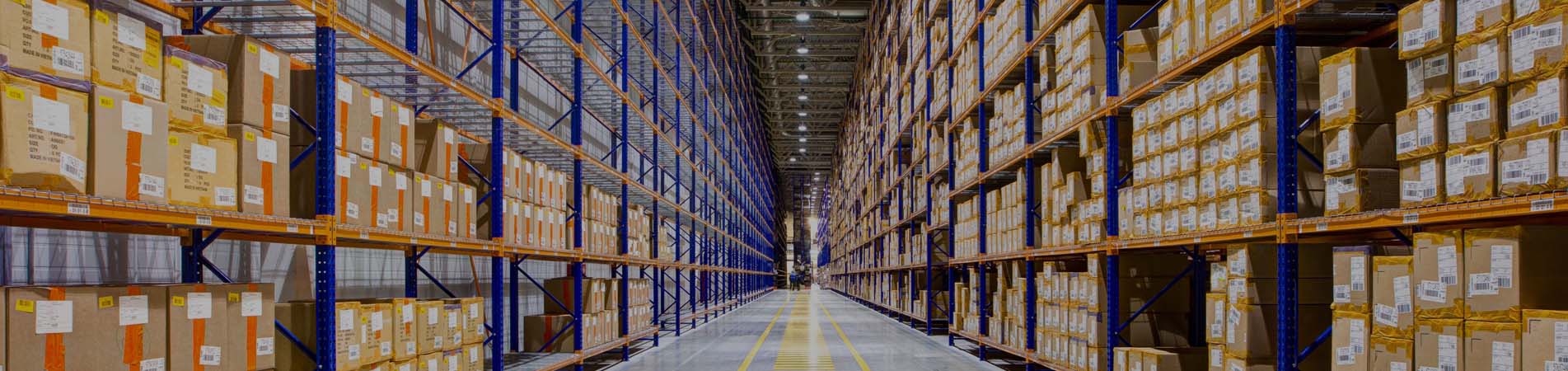
Warehouse Mezzanine System transform warehouses by adding elevated platforms that optimize vertical space for storage and operations. When you limited in warehouse space, select these structures is cost-efficiency solution. Based on load capacity, material durability, and compliance with safety standards, mezzanine floor brings long-term efficiency in inventory management. But What should you consider when you purchase a Warehouse Mezzanine System.
In this guide, we will discover the factors to choose Warehouse Mezzanine System, and how to choose Warehouse Mezzanine.

Key Takeaways
An mezzanine system for warehouse consists of a raised platform constructed within a warehouse or factory to create additional levels for storage, offices, or equipment. These structures utilize vertical space without expanding the building footprint, often built from steel beams, columns, and decking materials. Engineers design them to support significant weights, typically ranging from 125 to 500 pounds per square foot, depending on the application.
Prestigious sources emphasize the role of mezzanines in space optimization. According to the International Building Code (IBC), mezzanines must maintain a clear height of at least 7 feet above and below the platform to facilitate safe movement and equipment use. This standard ensures that the structure integrates seamlessly into industrial settings, enhancing workflow without compromising accessibility.
Selecting an appropriate industrial mezzanine floor protects operations from disruptions and elevates efficiency. Inadequate choices lead to costly issues:
A well-chosen mezzanine floor delivers robust advantages:
Business leaders recognize these benefits through psychological framing, where the fear of operational downtime motivates thorough evaluations, leading to decisions that foster confidence in long-term investments.
Determining the size and load capacity of an industrial mezzanine floor demands careful calculations to align with warehouse demands. Engineers start by assessing the intended use, whether for light storage or heavy machinery, to establish the pounds per square foot (psf) rating.
Professionals calculate load capacity by summing the weights of stored items, equipment, and personnel, then applying safety factors. OSHA mandates that mezzanines support their own weight plus four times the intended live load to prevent failures under stress.
Consider soil and slab conditions, as a standard 6-inch concrete slab with 4,000 psi strength supports up to 25,000 pounds, but heavier setups require reinforcements. Sources like the American Society of Civil Engineers (ASCE) recommend factoring in dynamic loads from forklifts, which can increase requirements by 25 percent.
Height guidelines ensure usability. IBC specifies a minimum 7-foot clearance above and below the mezzanine, while optimal warehouse setups aim for 14 feet between the platform and ceiling to accommodate tall racking systems.
Dimensions depend on building layout; freestanding mezzanines span up to 40 feet without additional supports, but larger areas need structural integrations. Buyers measure available space accurately, accounting for access points like stairs or lifts, to avoid bottlenecks in material flow.
Compatibility involves aligning the mezzanine with current warehouse infrastructure. Rack-supported designs integrate with existing shelving, turning uprights into load-bearing elements, while standalone versions suit open floor plans.
Seismic zones require bolted connections and bracing per ASCE 7 standards, ensuring stability during tremors. Fire ratings, often achieved with intumescent coatings, comply with NFPA codes to contain spreads. HEDA SHELVES offers customized solutions that seamlessly match these requirements, providing expert consultations to verify fit.
Businesses install or upgrade mezzanine floors when storage demands outpace available space, signaling a need for vertical expansion.
Indicators include overcrowded aisles that impede forklift navigation, frequent inventory overflows onto floors, and structural wear like sagging decks. Rising operational costs from inefficient space use also prompt upgrades, as do regulatory updates mandating higher safety features.
Safety and compliance drive upgrades. OSHA's 1910.22 requires floors free of hazards, with posted load capacities to inform users. Non-compliance risks shutdowns, while upgrades incorporating guardrails capable of withstanding 200 pounds of force per OSHA 1910.29 enhance protection.
Quotes from industry authorities underscore this: The Warehousing Education and Research Council (WERC) states, "Proper mezzanine compliance not only prevents accidents but also boosts operational reliability in dynamic industrial environments." Upgrades ensure adherence, fostering a secure workplace.
Industrial mezzanine floors vary by design, each suited to specific applications.
Freestanding mezzanines stand independently on columns, ideal for open warehouses needing flexibility. Rack-supported versions build atop existing shelving, economizing space in high-density storage.
Steel dominates for its strength, with options like bar grating for ventilation or composite decks for heavy loads. Concrete provides superior fire resistance but increases installation time.
| Type | Description | Best Application | Load Capacity (psf) |
|---|---|---|---|
| Freestanding Steel | Independent structure with columns and beams | General warehousing, offices | 125-300 |
| Rack-Supported | Integrates with pallet racks for support | High-density storage | 200-500 |
| Catwalk Mezzanine | Narrow platforms for access to upper levels | Maintenance and inspection areas | 100-200 |
| Structural Integrated | Bolted into building framework | Permanent heavy-duty use | 300-1000 |
| Modular Prefab | Pre-assembled components for quick setup | Temporary or expandable setups | 150-400 |
Buying tips empower purchasers to secure reliable industrial mezzanine floors.
Brands matter for quality assurance. Look for manufacturers with certifications like ISO 9001, ensuring consistent production. HEDA SHELVES stands out with premium steel constructions tailored for warehousing, offering warranties that instill buyer confidence.
Professionals, including structural engineers and installers, validate designs against local codes. Their expertise prevents errors, such as underestimating seismic loads, which could compromise integrity.
A comprehensive checklist streamlines decisions:
Integrating psychological techniques, such as loss aversion, buyers weigh the risks of subpar choices against the gains of premium selections, driving commitments to superior options like those from HEDA SHELVES.
Buyers calculate size by measuring warehouse dimensions and projecting storage volumes. Factor in a 20 percent buffer for growth, ensuring the platform covers at least one-third of the floor area per IBC guidelines, while maintaining 7-foot clearances.
Freestanding mezzanines offer versatility without relying on existing structures, suiting varied layouts, whereas rack-supported ones leverage shelving for cost savings but limit reconfiguration. Choices depend on whether permanence or adaptability ranks higher in B2B priorities.
Essential features include guardrails meeting OSHA's 42-inch height and 200-pound force resistance, non-slip decking, and visible load postings. These elements minimize fall risks and ensure compliance, appealing to buyers focused on workforce protection.
Inspections occur annually or after significant events like earthquakes, per OSHA recommendations. Regular checks for cracks, loose bolts, and load adherence prevent failures, supporting B2B decisions that emphasize preventive maintenance.
Costs hinge on size, materials, and customizations, ranging from $25 to $150 per square foot. B2B buyers consider ROI through space savings, often justifying investments by calculating reduced leasing needs over time.
In summary, choosing an industrial mezzanine floor demands rigorous assessment to harness vertical space effectively. For tailored solutions that elevate your warehousing capabilities, reach out to HEDA SHELVES today.


Hi! Click one of our members below to chat on