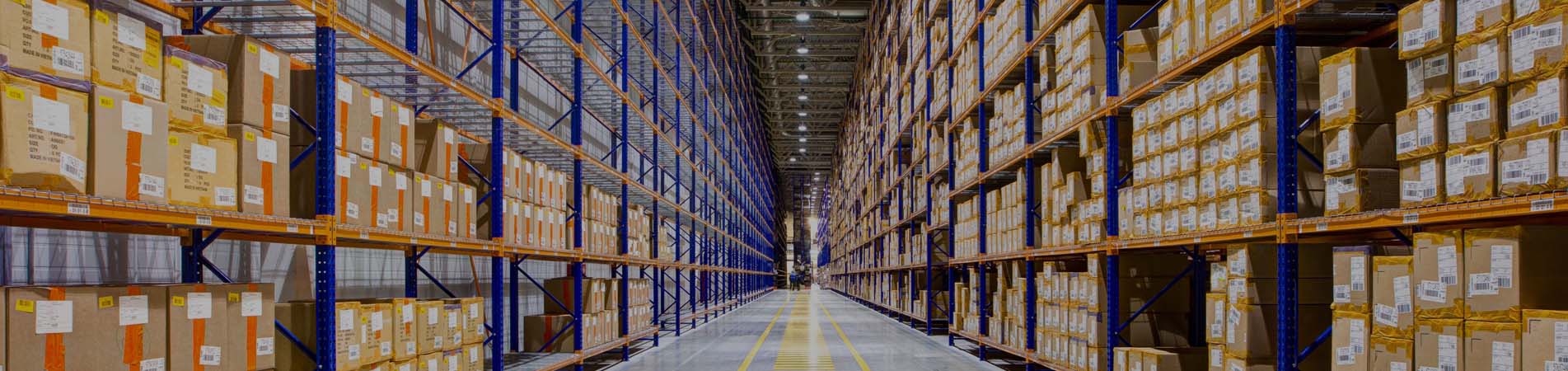
Maximise your Warehouse, Factory, or Backroom with cost-effective mezzanine floor racking. The HEDA SHELVES offers expert design and installation to boost productivity and transform your workspace.
The Ultimate Guide to Mezzanines in Warehouse & Industrial Storage
A mezzanine floor is an efficient and economical way to increase your storage space by extra mezzanine level. But what exactly is a mezzanine rack? Warehouse Mezzanine add any level positioned between two existing floors, you can get 2 or more level in vertical space that maximum your storage efficiency and offers extra operation platform for flexible picking.
Mezzanine levels are usually freestanding, some times you can compact with pallet racking system& storage shelving system. In most cases, the mezzanine will not cover the same space as the floor below it. This means they can be installed quickly and can even be removed or relocated as and when required.
In 2026, warehouse mezzanines continue to be embraced for their ability to boost capacity by as much as 80%–100%, enabling facilities to effectively double usable space in the same square footage footprint.
This guide will introduce mezzanine floor everything you need to know in 2026, from types and benefits to design considerations and ROI drivers — so you can make informed, profitable decisions.
What Is a Warehouse Mezzanine?
A warehouse mezzanine is an elevated platform installed within a facility to create additional usable space above the ground level without the need for structural expansion. Unlike permanent construction, mezzanines are typically modular, customizable, and engineered to meet precise load requirements.
In warehouse and industrial environments, mezzanines are most commonly used for:
Pallet or carton storage
Order picking and packing areas
Light manufacturing or assembly
Quality control and inspection zones
In-warehouse offices and supervision platforms
From an engineering standpoint, mezzanines fall into two primary categories:
Rack-supported mezzanines, where pallet rack uprights act as the main load-bearing structure
Structural (freestanding) mezzanines, supported by independent steel columns
Both systems are designed based on real load calculations, not assumptions—taking into account static loads, live loads, point loads, forklift impact forces, and seismic requirements where applicable.
In practice, a well-designed mezzanine can increase usable warehouse area by 60% to over 100%, depending on clear height and layout.
Why Choose a Mezzanine for Your Warehouse?
Maximum Space: A mezzanine allows you get extra level in vertical space. By adding an additional level, you can expand storage place in warehouse or set up platform for order fulfillment.
Cost-Effective Business Growth: Compared to traditional storage building and single racking system, installing a mezzanine is often more affordable and less time-consuming. It’s easy to set up and reduce aisle from racking system, making it a quick and affordable way to expand your warehouse or distribution centers.
Improved Warehousing Efficiency: A stylish mezzanine can really enhance your offices’ look adding a modern, open feel and acts as a standout feature that makes your workspace more attractive.
Enhanced Workflow: By creating distinct zones, a mezzanine can help streamline your warehouse’s storage workflow. For example, you could have bulk storage for multi-SKU on the lower level and WMS System for e-commerce on the mezzanine, improving both organisational efficiency.
Things to Think About When Planning Your Mezzanine Racking
Building Regulations: Before you dive into your mezzanine project, it’s important to make sure it meets all local building regulations. At the end of the day, safety comes first, and HEDA SHELVES has 500+ successful large mezzanine floor project in wordwide. Our Mezzanine Racking has CE/ROHS/ISO:9001 Certifications fits to any market safety regulations.
Design & Layout: The design of your mezzanine should complement your existing warehouse layout. Think about how it will fit with your forklift, picking module, storage workflow. We will work with you to create a mezzanine that betters your warehouse or other industrial storage project.
Structural Integrity: Your building needs to be able to support an additional level. We’ll work with structural engineers to make sure your mezzanine is built to last, ensuring both safety and durability.
Budget Planning: While a mezzanine is quite a cost-effective solution, it’s still important (as with most things) to set a clear budget. We’re here to help you plan and manage costs effectively. Get A Quote with Free Design Today.
6 Factors to Consider When Mezzanine Installation
1. Structural Load Design and Verification
Load capacity is the foundation of mezzanine construction. A common mistake is designing for current loads only, without accounting for operational variability or future growth.
Key load factors include:
Live load (people, pallets, cartons, equipment)
Dead load (mezzanine steel, decking, racking)
Point loads (conveyors, machines, pallet drops)
Dynamic loads (forklifts, pallet jacks, vibration)
In warehouse applications, mezzanine floors are typically designed for:
300–500 kg/m² for light picking or offices
500–800 kg/m² for pallet storage or packing operations
Higher capacities for machinery or automated systems
Professional construction requires engineer-stamped calculations and on-site verification to ensure actual conditions match design assumptions.
2. Existing Floor Slab Capacity
Many mezzanine failures originate below the structure, not above it. The existing concrete slab must be evaluated before column placement.
Construction teams must verify:
Slab thickness and reinforcement
Concrete strength (PSI / MPa)
Load-bearing capacity at column footings
Expansion joints and underground services
In real projects, underestimating slab capacity often leads to costly retrofits such as additional footings or slab reinforcement after installation has already started.
3. Column Layout and Upright Spacing
Column placement directly impacts:
Forklift access and aisle width
Storage density
Workflow efficiency
Future reconfiguration options
From experience, wider column grids improve operational flexibility but require stronger beams, while tighter grids increase structural efficiency but may restrict movement. The optimal balance depends on equipment type, pallet size, and picking method.
Rack-supported mezzanines require special attention to upright load transfer, ensuring that rack columns are designed to carry both storage and mezzanine loads without exceeding allowable stress.
4. Headroom and Vertical Clearance
A mezzanine that fits structurally but fails operationally is a poor investment. Construction planning must ensure adequate clear height:
Below the mezzanine (for forklifts, pallets, people)
Above the mezzanine (for safe movement and storage)
As a rule of thumb:
Minimum 2.7–3.0 meters clear height per level is recommended for industrial use
Additional clearance is required for sprinklers, lighting, and HVAC
Ignoring these allowances during construction often leads to compromised usability or code violations.
5. Decking and Flooring Selection
Decking choice affects durability, safety, and compliance.
Common options include:
Steel bar grating – excellent for fire safety and ventilation
Steel deck with plywood overlay – economical for light-duty use
Concrete-filled steel deck – best for heavy loads and vibration control
In construction, the decking system must match both the load rating and fire protection strategy of the facility. Retrofitting decking later is disruptive and expensive.
6.Safety Systems and Access Points
Safety features is esstantial factor in integral construction components.
Essential elements include:
Guardrails and mid-rails
Toe boards to prevent falling objects
Industrial staircases with correct rise/run ratios
Pallet gates or safety loading zones
Anti-slip surfaces and clear signage
From field experience, mezzanines that prioritize safety during construction experience fewer operational disruptions and lower long-term liability exposure.
Want to Discuss All Things Mezzanine Racking?
At HEDA SHELVES, we’re excited to help you transform your warehouse with cost-efficiency solution. From designing and installing mezzanines support tailor to your warehouse storage needs including logistic, e-commerce, cold room,distribution centers. We offer everything you need to make sure your warehouse mezzanine floor safety and high picking efficiency. Our friendly team is here to guide you through every step of the process, ensuring your project runs smoothly and meets your vision.
Are you ready to get 200%-300% warehouse space ? Contact our helpful team at HEDA SHELVES and find out how we can create high efficiency warehouse or industrial storage space that boosts productivity with our factory directly solution.