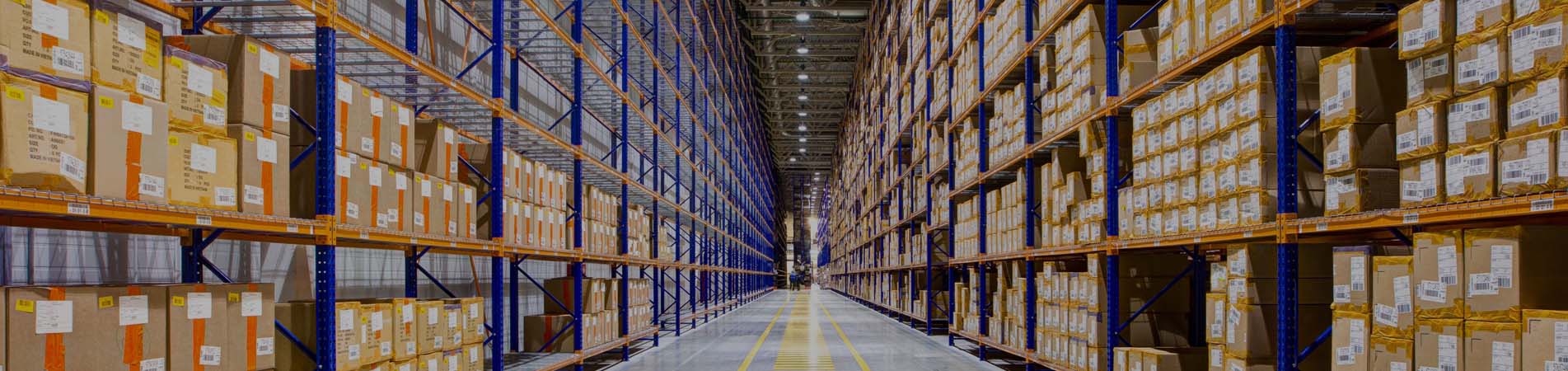
Efficiency is the cornerstone of effective warehouse storage, so optimizing your storage facility is critical. As inventory levels rise, it may be necessary to update your pallet racking system. Whether you are relocating your warehouse or reconfiguring your existing layout, dismantling your pallet racking is a crucial first step.
How can you safely update your storage equipment? In order to better manage your space, knowing the proper way to dismantle pallet racking can help keep you safe and efficient during the transition.
Disassemble Pallet Rack in 5 Easy Steps
Remove Wire Decking and Accessories
Begin by taking off all wire decking and any additional accessories, such as post protectors and shelf dividers. This step clears the way for accessing the beams and uprights more easily. When stacking the wire decking, alternate the orientation (face up and face down) for compact storage.
Take Down the Beams
Next, remove the horizontal beams that connect the uprights. It’s important to follow the manufacturer's instructions for your specific type of pallet rack. If the rack is tall, consider leaving one beam level intact until the uprights are ready to be removed for added stability.
Lower the Uprights
After the beams are removed, focus on the uprights. First, take off any washers and nuts securing the uprights to the concrete. Depending on how the uprights were installed, you may need to hammer the anchors down into the concrete or lift the uprights over them. Once detached, lay the uprights on their sides in a safe area.
Remove Anchors
With the uprights down, remove the anchors that are left protruding from the concrete floor. This can be done by hammering them down or cutting and grinding them flush with the floor. To maintain the integrity of the floor, fill any holes left behind with concrete or epoxy sealant.
Bundle Components
Finally, if you plan to sell or relocate the pallet rack components, bundle the uprights, beams, and wire decking tightly. Use heavy-duty steel strapping to secure the bundles, ensuring they are uniform and won’t shift during transport
As a leading pallet racking manufacturer, we are committed to helping you maintain your racking systems with expert advice, high-quality products, and exceptional customer service. For more information on racking maintenance or to discuss your specific needs, contact us today.
Maintaining heavy-duty pallet racking is crucial to ensuring the safety, efficiency, and longevity of your warehouse operations. Neglecting proper racking maintenance can lead to costly repairs, operational downtime, or even dangerous accidents. As a reputable pallet racking manufacturer, we understand the importance of keeping your racking systems in top condition. In this comprehensive guide, we’ll share 10 essential tips to help you maintain your pallet racking systems effectively.
Introduction: Why Racking Maintenance Matters
In today’s fast-paced industrial environment, heavy-duty pallet racking systems are indispensable. They support the weight of your inventory, optimize space, and streamline warehouse operations. However, without proper maintenance, even the best racking systems can fail, leading to significant risks and expenses. Regular racking maintenance not only extends the life of your equipment but also ensures a safe and productive work environment. As a leading pallet racking manufacturer, we’ve compiled these 10 tips to help you protect your investment and maintain peak performance.
1. Conduct Regular Inspections
Regular inspections are the foundation of effective racking maintenance. Inspect your racking systems at least once every three to six months, or more frequently if your warehouse has high traffic or heavy loads. Look for signs of wear and tear, such as dents, rust, or bent components. Pay close attention to the beams, uprights, and connectors, as these are the most critical parts of your racking system.
Pro Tip: Keep a detailed log of your inspections, noting any damage or issues that need to be addressed. This will help you track the condition of your racking over time and ensure that problems are resolved promptly.
2. Repair or Replace Damaged Components Immediately
When you identify damaged components during your inspections, take immediate action. Delaying repairs can lead to further deterioration and increase the risk of a racking collapse. Whether it’s a bent beam, a cracked upright, or a worn-out connector, replacing these components promptly is essential for maintaining the integrity of your racking system.
Pro Tip: Work with your pallet racking manufacturer to ensure you have access to genuine replacement parts that meet the original specifications of your racking system.
3. Clean Your Racking Regularly
A clean warehouse is a safe warehouse. Dust, debris, and spills can accumulate on your racking and create hazards. Regular cleaning not only improves the safety of your racking system but also enhances its longevity. Use appropriate cleaning methods to remove dust and grime from the racking components, and ensure that the area around your racking is free of obstructions.
Pro Tip: Schedule routine cleaning as part of your overall racking maintenance plan. Consider using industrial vacuums or pressure washers for thorough cleaning.
4. Monitor Load Capacities
One of the most common causes of racking failure is overloading. Each racking system has a specific load capacity, which must be strictly adhered to. Exceeding these limits can compromise the structural integrity of your racking, leading to dangerous situations. Ensure that all warehouse staff are trained to understand and respect the load capacities of your racking system.
Pro Tip: Clearly label the load capacities on each section of your racking and regularly verify that loads do not exceed these limits.
5. Ensure Proper Pallet Placement
Correct pallet placement is crucial for the stability of your racking system. Pallets should be placed evenly across the beams, with no part of the pallet hanging over the edge. Uneven or improper placement can lead to imbalances and increase the risk of racking failure.
Pro Tip: Train your forklift operators and warehouse staff on the importance of proper pallet placement and regularly review their practices to ensure compliance.
6. Invest in Safety Accessories
Safety accessories, such as rack protectors, end-of-aisle protectors, and safety pins, can significantly enhance the durability and safety of your racking system. These accessories are designed to absorb impact and prevent damage to your racking components.
Pro Tip: Consult with your pallet racking manufacturer to determine which safety accessories are best suited for your specific racking system and warehouse environment.
7. Regularly Review and Adjust Racking Configurations
As your inventory and storage needs evolve, your racking configurations may need to be adjusted. Regularly review your racking system to ensure it continues to meet your operational requirements. Adjust the beam heights, aisle widths, or add additional racking as needed to optimize space and improve efficiency.
Pro Tip: Work with your pallet racking manufacturer to reconfigure your racking system safely and efficiently, ensuring that any changes are properly engineered and tested.
8. Train Staff on Racking Safety
Proper training is essential for preventing accidents and ensuring that your racking system is used correctly. All warehouse staff should be trained on racking safety, including how to load and unload pallets, recognize potential hazards, and report damage.
Pro Tip: Conduct regular safety training sessions and refreshers to keep racking safety top of mind for your team.
9. Implement a Routine Maintenance Schedule
Routine maintenance is key to the long-term health of your racking system. Develop a maintenance schedule that includes regular inspections, cleaning, repairs, and adjustments. Stick to this schedule to ensure that all aspects of your racking system are consistently maintained.
Pro Tip: Use maintenance management software to schedule and track your racking maintenance activities, ensuring nothing is overlooked.
10. Work with a Trusted Pallet Racking Manufacturer
Partnering with a reliable pallet racking manufacturer is essential for effective racking maintenance. A good manufacturer will provide you with high-quality racking systems, offer guidance on maintenance best practices, and supply genuine replacement parts when needed.
Pro Tip: Choose a pallet racking manufacturer with a proven track record and excellent customer support to ensure you receive the best products and services for your warehouse.
Conclusion: Protect Your Investment with Proper Racking Maintenance
Proper racking maintenance is not just about preventing costly repairs; it’s about protecting your investment, ensuring the safety of your employees, and optimizing your warehouse operations. By following these 10 tips, you can keep your heavy-duty pallet racking system in peak condition, minimize risks, and extend the life of your equipment.
As a leading pallet racking manufacturer, we are committed to helping you maintain your racking systems with expert advice, high-quality products, and exceptional customer service. For more information on racking maintenance or to discuss your specific needs, contact us today.
Pallet flow racking is a type of storage system designed to facilitate the efficient storage and retrieval of pallets. It operates on a first-in, first-out (FIFO) principle, allowing for quick access to products while optimizing space within a warehouse. The system utilizes inclined lanes equipped with wheels or rollers that enable pallets to flow down to the picking face, making it ideal for high-volume operations.
Key Components of Pallet Flow Racking
The primary components of a pallet flow racking system include:
Racking Structure: The frames that support the system and hold the pallets.
Flow Tracks: Rails or lanes that allow pallets to move smoothly.
Wheels or Rollers: Mechanisms that support the weight and enable easy movement of pallets.
Loading and Picking Areas: Designated spaces for replenishing stock and picking items for orders.
Benefits of Pallet Flow Racking
Maximizing Space Utilization
One of the standout advantages of pallet flow racking is its ability to maximize vertical and horizontal space in warehouses. By utilizing a FIFO system, businesses can store more pallets within the same footprint, leading to more efficient use of space and potentially reducing the overall size of their storage facilities.
Increased Picking Efficiency
The design of pallet flow racking inherently improves picking efficiency. With pallets moving forward automatically, employees can quickly access the items they need without unnecessary delays. This reduction in travel time contributes to an overall increase in productivity, allowing operations to meet consumer demands more efficiently.
Enhanced Inventory Management
Pallet flow racking systems simplify inventory management by ensuring that older stock is used first, which is crucial for perishable goods. Additionally, they provide better visibility of inventory levels, enabling more accurate forecasting and restocking strategies.
Optimizing Picking Efficiency with Pallet Flow Racking
Design Considerations
To optimize picking efficiency, businesses should carefully consider the design of their pallet flow racking systems. This involves selecting the appropriate size and weight capacity of racks, based on the typical load characteristics and the picking frequency of items. Additionally, the layout of the warehouse should facilitate easy access to these racks.
Choosing the Right Equipment
Choosing the right equipment, such as high-quality flow tracks and durable rollers, is crucial for the effective operation of pallet flow racking systems. Selecting components that can handle the specific demands of the inventory type will reduce maintenance needs and enhance efficiency.
Workflow Optimization
Beyond the physical layout, optimizing workflow plays a significant role in increasing picking efficiency. Streamlining processes by grouping related products, implementing clear signage, and ensuring that pathways are free of obstacles will help workers operate more efficiently within the pallet flow racking system.
Installation Guide for Pallet Flow Racking Systems
Preparing the Warehouse
Before installing a pallet flow racking system, proper preparation of the warehouse is essential. This includes a thorough assessment of the existing space, cleaning the area, and ensuring that the flooring can support the weight of the racks and loaded pallets.
Step-by-Step Installation Process
Layout Planning: Design the layout based on the warehouse dimensions and product flow.
Frame Assembly: Assemble the racking frames according to the manufacturer’s specifications.
Flow Track Installation: Install flow tracks on the inclined sections of the racks.
Adjustment of Rollers: Adjust rollers to fit different pallet sizes and weights.
Testing: Perform a test run with pallets to ensure smooth operation.
Safety Considerations
Safety is paramount when installing pallet flow racking systems. Ensure that all installations comply with local regulations and industry standards. Regularly inspect the system for any signs of wear or damage, and provide adequate training for staff on safe operational practices.
Maintaining Pallet Flow Racking Systems
Regular Inspections
To maintain optimal performance, regular inspections of the pallet flow racking system are crucial. Look for signs of wear and tear on flow tracks and rollers, and check the overall stability of the racking structure. Timely maintenance can prevent costly downtime and ensure safety in the workplace.
Replenishment Strategies
Implementing effective replenishment strategies can further enhance the efficiency of pallet flow racking systems. Consider the usage patterns of products and create a schedule that ensures that high-demand items are always available and easily accessible.
Staff Training and Best Practices
Invest in regular training for staff to ensure they understand how to use the pallet flow racking system effectively. Emphasize best practices such as loading pallets correctly, performing safety checks, and utilizing the system for optimal efficiency.
From manufacturing facilities to cold storage centers, most industries can benefit from heavy duty picking solution with pallet flow. Contact Heda Shelves, Your Reliable Pallet Flow Racking Manufacturer.
When it comes to maximizing storage efficiency in large warehouses, understanding the ins and outs of racking systems is crucial. Among these systems, the double deep pallet racking system stands out. It’s a storage solution that allows warehouses to utilize their vertical space effectively while making it easier to access stored goods. In this article, we're diving deep into what this system is, how it works, and why it might be the perfect fit for your warehouse.
Introduction to Pallet Racking Systems
Before we jump headfirst into the double deep system, it’s essential to grasp what pallet racking systems are. They’re frameworks that help store pallets of goods in an organized manner. Whether you’re dealing with bulk items to store or need quick access to various products, the right racking system can be a game-changer for efficiency and organization.
Pallet racking systems come in various styles, each designed to meet specific warehouse needs. When space is at a premium—and let’s face it, in today’s world, it often is—finding effective ways to store goods is vital for keeping businesses running smoothly.
What is Double Deep Pallet Racking?
Definition and Overview
The double deep pallet racking system is designed to store two pallets deep in each row, allowing for efficient use of space. Instead of pushing pallets right up against each other horizontally, this system lets you store them back-to-back. It’s like creating a mini warehouse within your warehouse!
This feature enhances storage capacity and streamlines operations. In a double deep system, you maximize the height of your storage area, allowing for more product to be stored in a smaller footprint. Rank your warehouse efficiently, and you’ll see the benefits in how smoothly your operations can run.
How It Differs from Other Racking Systems
The double deep system differs from conventional selective racking systems, which typically allow for easy access to each pallet. In contrast, the double deep system stores pallets more densely, which means you might need a specialized forklift capable of retrieving pallets from deeper within the rack.
While selective racking gives you quick access to individual pallets, double deep racking is fantastic for those with high inventory turnover of similar pallet types. Think of it like choosing between a closet that gives you quick access to everything and one that requires a bit more effort but holds so much more!
Benefits of Double Deep Pallet Racking
Increased Storage Density
One of the standout advantages of double deep racking is its amazing storage density. By allowing pallets to be stored two deep, warehouses can maximize vertical space without the need for additional aisles. This setup can boost your storage capacity by up to 40% compared to traditional methods.
Imagine being able to fit more goods in the same area—talk about a win! This feature is particularly beneficial for warehouses that deal with high-volume, low-variability inventory.
Optimal Use of Space
Not only does double deep racking increase storage; it also encourages better organization. With pallets stored more efficiently, you’ll find it easier to keep track of your inventory. This system helps streamline operations, making picking and storing much smoother. Think of it as organizing your closet; the more efficiently you arrange your shoes and clothes, the easier it is to find what you need!
Cost-Effectiveness
When it comes to operating a warehouse, maximizing space translates to significant cost savings. Double deep systems can reduce the need for additional floor space, helping you save on rent or property costs. Plus, enhanced operational efficiency means reduced labor costs as employees spend less time searching for items and moving goods around. In short, not only do you get a better-organized warehouse, but you also get to save money.
Components of a Double Deep Racking System
Frames
The frame is the backbone of any racking system. In double deep systems, these are taller and sturdier to handle the extra weight and depth of the pallets. They support all other aspects of the racking structure. A well-constructed frame is essential for safety and reliability.
Beams
The beams hold the pallets in place. With double deep racking, these beams are designed to support pallets placed back-to-back. Choosing the right beams ensures safety and stability—a critical factor when you’re stacking heavy loads.
Pallets
Naturally, you'll need pallets to store the goods. Double deep systems typically accommodate standard pallets, but it’s essential to confirm their dimensions to ensure a snug fit. This helps avoid any awkward fits that can lead to damage over time.
Accessories
Accessories like pallet supports, frame protectors, and safety straps enhance the functionality and reliability of the system. These little additions can make a big difference in safety and efficiency. For instance, frame protectors can prevent damage from forklifts, ensuring your investment lasts longer.
How to Choose the Right Double Deep Racking
Consider Your Warehouse Layout
Before investing in a double deep system, take a hard look at your warehouse layout. Ensure it supports accessing pallets stored two deep. A well-planned layout can minimize disruptions and maximize efficiency. Ask yourself: Do you have sufficient space for specialized equipment to maneuver without risking accidents?
Check the Load Capacity
Every operation has different needs. You’ll want to know the load capacity of the racking system to ensure it meets your requirements. There’s no worse feeling than realizing you’ve overestimated your needs after installation! Be sure to consult with racking experts who can help you understand your requirements.
Evaluate Access Options
Access is key in any racking system. A double deep setup will require specialized forklifts or equipment that allows for retrieving pallets from the back. Make sure you have the right tools for the job! This ensures that your team can operate efficiently without unnecessary delays or safety concerns.
Installation and Safety Considerations
Importance of Proper Installation
Getting your racking system installed correctly is vital for safety and efficiency. Poor installation can lead to accidents or inefficient operations. Consider hiring professional installers who understand the nuances of double deep rack systems to prevent potential mishaps. A solid installation will also result in fewer maintenance issues down the line.
Safety Standards and Regulations
Always adhere to safety standards and regulations in your area. Compliance isn’t just about avoiding fines; it’s about protecting your employees and assets. Regular inspections and maintenance are crucial to ensure the system remains stable and safe. Keeping abreast of local regulations will also help you maintain a safe working environment for everyone in the facility.
Conclusion
In summary, a double deep pallet racking system can revolutionize how you store and access goods in your warehouse. By maximizing space, enhancing efficiency, and driving down costs, it’s a solution worth considering. Take the time to evaluate your specific needs before diving in. After all, the right choice can help your operation run smoothly and profitably for years to come.
FAQs
What are the main benefits of a double deep racking system?The main benefits include increased storage density, optimal use of space, and cost-effectiveness. It allows warehouses to store pallets back-to-back, maximizing vertical space and reducing the need for additional storage areas.
Do I need special equipment for double deep racking?Yes! Specialized forklifts or reach trucks are often required to access the pallets stored in the back of the double deep system. This equipment is necessary for the safe and efficient movement of goods.
Is double deep racking safe?When installed correctly and adhering to safety standards, double deep racking can be safe. Regular inspections and maintenance are crucial to ensure stability and safety.
Can any type of pallet be used with double deep racking?While standard pallets are commonly used, it’s essential to confirm their dimensions to ensure a proper fit within the racking system.
How much space can a double deep system save?A double deep racking system can save up to 40% more space compared to traditional selective racking systems, optimizing warehouse efficiency significantly.
An effective logistics warehouse racking system not only optimizes space utilization but also enhances operational efficiency and safety. Here's a comprehensive guide to help you establish an efficient and economical warehouse racking system.
What is Pallet Rack Systems
Pallet rack systems form the structural backbone of warehouse organization, designed to maximize storage space and improve operational efficiency. The main types include:
Selective pallet racks: Flexible and easily accessible, suitable for various goods.
Drive-in/drive-through racks: Ideal for high-density storage of similar items.
Push-back racks: Enhance storage density and accessibility, perfect for high-turnover inventory.
Cantilever racks: Designed for long, unwieldy items, optimizing space and accessibility.
Choosing the Right Pallet Rack System
Selecting the appropriate pallet rack system requires considering multiple factors:
Warehouse Layout
The layout of your warehouse will determine the suitable type of pallet rack system. Common choices include selective pallet racks, drive-in racks, and push-back racks. Consult professionals to assess your layout and choose the most appropriate system.
Product Variety
Consider the types of products you handle. If you deal with various sizes and shapes, adjustable pallet rack systems might be a better choice as they can be easily modified to accommodate different items.
Load Capacity
Different pallet rack systems have varying load capacities. Ensure the chosen system can bear the weight of your stored goods.
Optimizing Storage Space
Pallet rack systems maximize storage capacity by effectively utilizing both horizontal and vertical space. Here are some methods:
Vertical Stacking: Significantly increase storage capacity without expanding warehouse footprint by stacking pallets vertically.
Dynamic Pallet Racks: Designed to utilize often-overlooked overhead space in warehouses, allowing for vertical stacking of goods and reducing warehouse floor space.
Improving Operational Efficiency
Pallet rack systems are not just for storing items; they ensure items can be quickly retrieved when needed. Here are some ways to improve operational efficiency:
Easy Access: Through proper configuration and organization, pallet rack systems can make locating and retrieving specific items easy, reducing time spent searching for products.
Organized Inventory Management: Clear labeling and categorization reduce the risk of errors such as picking the wrong items or misplacing products.
Ensuring Safety
The design of pallet rack systems must adhere to strict safety standards, ensuring employee safety and inventory protection. Here are some safety measures:
Load Capacity Calculations: Professional engineers or rack manufacturers typically provide detailed guidelines and load capacity calculations to ensure safe storage of goods.
Safety Locks and Guards: Ensure the system is equipped with features like load capacity indicators, safety locks, and guards.
Cost-Benefit Analysis
Choosing a pallet rack system is not just a purchasing decision; it's a strategic investment in your operation's future. Here are key factors for cost-benefit analysis:
Installation Costs: Consider initial installation costs as well as long-term operational expenses.
Storage Capacity: Optimize space utilization to reduce property leasing or purchasing costs.
Operational Efficiency: Improve operational efficiency to reduce labor costs.
Conclusion
Selecting the right pallet rack system can significantly enhance your warehouse's storage efficiency and operational dynamics, helping businesses achieve their strategic goals. By comprehensively evaluating operational needs, budget constraints, and future growth expectations, ensure that the chosen system not only meets current demands but also adapts to future challenges.
Find speciallist solution for logistics warehouse with racking manufacturer. Choose Heda shelves,service for worldwide storage racking more than 20 years.
Selecting the optimal warehouse racking system is pivotal to maximizing space utilization, enhancing operational efficiency, and safeguarding your inventory. A well-designed racking solution can dramatically improve productivity and cost-effectiveness. However, with a myriad of options available, making the right choice can be daunting. This article offers ten essential tips to guide you through the process of selecting the ideal warehouse racking system for your specific needs.
What is Warehouse Racking?
Warehouse racking refers to a storage system comprising upright frames and horizontal beams that support shelves or pallets. It provides a structured framework for organizing and accessing stored goods efficiently. Racking systems are indispensable in warehouses, distribution centers, and manufacturing facilities, contributing to streamlined operations and inventory control.
5 Key Factors Making Warehouse Picking Slow
Before delving into racking solutions, it's crucial to identify factors hindering efficient warehouse picking. Addressing these issues can significantly enhance overall performance, even before implementing new racking systems.
Inadequate Storage Capacity: Insufficient storage space leads to disorganized inventory, prolonged search times, and increased picking errors.
Poor Product Accessibility: Difficulty in reaching and retrieving items due to improper racking or storage layout results in time wastage and reduced productivity.
Suboptimal Warehouse Layout: Inefficient warehouse flow and layout can create bottlenecks, impede movement, and slow down picking processes.
Lack of Inventory Control: Inadequate inventory management systems hinder accurate stock tracking, leading to stockouts, overstocking, and inefficient picking.
Substandard Material Handling Equipment: Outdated or malfunctioning equipment hampers picking efficiency and increases the risk of damage to products and personnel.
10 Tips for Choosing the Right Warehouse Racking
Assess Your Inventory: Conduct a thorough analysis of your inventory, considering product dimensions, weight, quantity, and turnover rates. This information is essential for determining the appropriate racking type and capacity.
Define Storage Requirements: Clearly outline your storage needs, including the types of products to be stored, access frequency, and order picking methods.
Measure Warehouse Dimensions: Accurately measure the available warehouse space, including ceiling height, floor load capacity, and column spacing. These dimensions will dictate the racking system's configuration and size.
Consider Budget Constraints: Establish a realistic budget for the racking system, including installation and potential future expansions.
Prioritize Safety: Opt for racking systems that comply with safety standards and regulations. Consider features such as bracing, anchoring, and load indicators.
Choose the Right Racking Type: Select a racking type that aligns with your inventory characteristics and operational requirements. Common types include selective pallet racking, drive-in/drive-thru racking, push-back racking, and cantilever racking.
Optimize Space Utilization: Maximize warehouse space efficiency by carefully planning racking layout and considering factors such as aisle width, racking depth, and clearance.
Invest in Quality: Prioritize durability and longevity by choosing high-quality racking materials and construction. A robust racking system withstands heavy loads and minimizes maintenance costs.
Consider Scalability: Select a racking system that can accommodate future business growth and inventory expansion.
Seek Expert Advice: Consult with experienced warehouse racking specialists to leverage their expertise and ensure the optimal solution for your specific needs.
Types of Warehouse Racking
Selective Pallet Racking: Offers direct access to each pallet, ideal for diverse product types and frequent order picking.
Drive-in/Drive-thru Racking: Maximizes storage density, suitable for high-volume, first-in-first-out (FIFO) or last-in-first-out (LIFO) inventory.
Push-back Racking: Increases storage capacity in limited space, well-suited for high-density storage and FIFO inventory management.
Cantilever Racking: Designed for long, bulky, or irregularly shaped items, commonly used in lumberyards and hardware stores.
Mezzanine Racking: Creates additional storage space by utilizing vertical space, ideal for increasing storage capacity in warehouses with limited floor area.
Conclusion
Selecting the appropriate warehouse racking system is a critical decision impacting operational efficiency, inventory management, and overall warehouse performance. By carefully considering factors such as inventory characteristics, storage requirements, space constraints, and budget, businesses can optimize their racking solutions and achieve significant improvements in productivity and cost-effectiveness.Contact Heda Racking for Free Quote.
Pallet storage racks play an important role in logistics warehouses. They are freely assembled and easy to disassemble, assemble, and move. The position of the beams can be adjusted arbitrarily according to the height of the items being pushed. Pallets are widely used in storage racks. Pallet-type racks are generally called heavy-duty racks. Pallets placed on the racks are spatially separated to facilitate the use of forklifts, elevators, etc. According to the specific properties of different goods, different material pallets are used, some of which are generally pallet racks formed in the form of storage racks, which are usually used on shelves. They are all free to place pallets.
For example, traditional heavy-duty racks as well as drive-in racks, shuttle racks and automatic three-dimensional racks are usually used for cargo storage. From the operating mode, it can be divided into driven pallet rack and gravity pallet rack. Heavy-duty pallet racks are arguably one of the most common racking systems for every business. It is known for its heavy duty, small footprint and stable shelf life. Different materials and pallets of different sizes are added to each layer to place the goods on the pallets for easy insertion. It also reduces the surface wear of the heavy shelves and ensures the storage safety of the shelves.
At the same time, pallets can also reduce or prevent the environmental impact of the cargo layer from direct contact with moisture on the shelves. Cross-beam pallet racking are generally used in areas where forklifts access goods, such as warehouses, finished product warehouses, packaging box warehouses, high-end warehouses, etc. The pallet length of the beam pallet is generally designed according to the custom manufacturer, and the size and height of the pallet are designed according to the lifting height of the forklift used.
Advantages of heavy duty shelves
1. Strong load-bearing capacity: The cargo space of heavy duty storage racks can bear a load of 1000kg~3000kg. One cargo space usually stores two pallets, which can meet the warehousing needs of most industries.
2. Simple structure: The heavy duty warehouse shelves are assembled with column pieces and beams. They are fully assembled structures. No welding is required during installation. They can be combined at will. The floor height can be adjusted freely. Installation and disassembly are convenient and flexible. In addition, main and auxiliary racks can also be used to save shelf costs.
3. Mechanized operations: Due to the strong load-bearing capacity of warehouse pallet shelves, the stored goods are usually relatively heavy, and the access to goods is basically completed by forklifts and other machinery. There will be a passage between each row of shelves for forklift operation, and the forklift can directly reach any shelf location for access operations.
4. Low cost: The cost of heavy duty pallet rack is lower than other types of storage shelves, and they have a wide range of applications, so they can be widely used in the warehousing industry.
To make full use of the functions of supermarket shelves, not only to bring benefits to supermarkets, but also to rationalize the space.
Details determine success or failure, in the use and care of supermarket shelves, mainly based on the following 3 points: 1. In the use of supermarket shelves, cleaning is basic. Only a clean and tidy supermarket shelves can attract consumers.
In the guarantee of clean and tidy at the same time, supermarket shelves users should also regularly check the supermarket shelves to ensure the use of normal supermarket shelves. 2. Under normal circumstances, the average human vision is from 110 degrees to 120 degrees, the visual width range of 1.5m to 2m, in the shop walking shopping perspective of 60 degrees, visible range of 1m.
Therefore, businesses should combine the consumer's visual habits, in the use of supermarket shelves, to ensure that the product display surface, improve the purchase probability.
3. The general supermarket shelves a total of 5 floors, from the 3rd, 4th, 5th is the largest sales shelves, especially the 3rd layer and the consumer line of sight is basically parallel, reach, the most convenient for consumers to choose, but also the largest sales.
Reasonable use and care of supermarket shelves, not only can prolong the life of supermarket shelves, but also bring more benefits to make space more reasonable words.
Multifunctional display racks are becoming increasingly popular due to their versatility and convenience. These display stands feature a number of useful characteristics that make them ideal for various settings such as retail stores, homes, and offices. One of the main features of these banner stands is their ability to be easily reconfigured to suit your ever-changing display needs. They can also be customized to fit just about any space or product, making them a great option for those who need to maximize their display area. Additionally, these racks are made from durable, high-quality materials, ensuring that they are both long-lasting and easy to maintain.
Carton flow rack, also known as gravity flow rack or dynamic flow rack, is a storage system designed to optimize the flow of cartons, boxes, or totes in a warehouse or distribution center. It is particularly suitable for storing and picking fast-moving items with a high turnover rate.
Here are the key features and components of a carton flow rack system:
Gravity Flow Design: Carton flow racks are designed with inclined roller tracks or wheel beds that allow cartons or totes to flow smoothly by gravity from the loading end to the unloading end.
Lane Dividers: The rack system typically includes lane dividers or separators to create individual lanes for each SKU (Stock Keeping Unit) or product type. This organization helps in maintaining inventory segregation and facilitates efficient picking.
Flow Controllers: Flow controllers, such as speed controllers or brake mechanisms, are installed at the pick face to regulate the speed of carton flow and prevent cartons from free-flowing too quickly.
Loading End and Unloading End: The loading end is where items are loaded onto the rack, usually done manually or using conveyor systems. The unloading end is where items are picked from the rack for order fulfillment or distribution.
First-In, First-Out (FIFO) System: Carton flow racks typically operate on a first-in, first-out (FIFO) basis. This means that the oldest items are picked first, ensuring inventory rotation and minimizing product expiration.
Ideal for Order Picking: Carton flow racks are well-suited for order picking operations, especially in industries such as retail, e-commerce, and distribution, where fast and accurate picking of multiple SKUs is essential.
Increased Efficiency: The gravity flow design of carton flow racks minimizes the need for manual handling and reduces travel time for pickers, leading to increased efficiency and productivity in warehouse operations.
Overall, carton flow racks are an efficient storage solution for warehouses dealing with fast-moving consumer goods (FMCG), perishable items, or products requiring frequent picking and replenishment. They help streamline order fulfillment processes and improve inventory management, contributing to overall operational efficiency.
Medium duty pallet racking are a type of racking system used for storing goods, typically suitable for warehouses or commercial spaces with moderate loads and capacities. These industrial racking typically feature the following characteristics:
1. Load Capacity: Designed to accommodate medium-weight goods, with each level typically supporting loads ranging from 500 kg to 2000 kg.
2. Sturdy Structure: The pallet shelving structure is stable, capable of supporting the vertical storage of medium-sized goods, ensuring overall stability.
3. Adjustable Shelves: Equipped with adjustable shelves to accommodate goods of varying heights and optimize vertical space.
4. Versatility: Suitable for storing a variety of shapes and sizes of items, including boxed goods and small items.
5. Easy Assembly: Most warehouse shelving racks are designed for easy assembly and adjustment.
6. Ventilation: Some rack designs consider ventilation for goods, preventing dust accumulation and maintaining the freshness of stored items.
7. Adaptability: Widely used in retail, manufacturing, logistics centers, and distribution centers, providing an effective solution for storage and logistics.
8. Labeling and Classification: Provides slots for labels or signage, facilitating the classification and marking of stored goods.
9. Durable Materials: Typically constructed from durable materials such as cold-rolled steel to ensure a long lifespan.
Warehouse racking system play a crucial role in various industries by providing efficient storage and logistics solutions.
supermarket display shelves offer several advantages that contribute to efficient and organized product display in retail environments. Here are some key advantages of using gondola shelving:
1. Optimized Product Visibility: lozier shelving are designed to provide clear visibility of products to shoppers. Adjustable shelving allows for the effective display of various product sizes and shapes, making it easier for customers to locate and select items.
2. Space Utilization: Supermarket shelves are designed to maximize the use of available space. They provide vertical storage, allowing retailers to make the most of the store's floor area. Efficient space utilization helps accommodate a wide range of products and categories.
3. Ease of Access: Shelves are organized in a way that allows customers easy access to products. This arrangement facilitates a smooth shopping experience, as shoppers can navigate through aisles without difficulty, locate items quickly, and reach products without much effort.
4. Flexibility and Adjustability: Many supermarket shelves are adjustable, allowing retailers to modify the shelving layout based on changing inventory needs. This flexibility is crucial for adapting to seasonal products, promotions, or alterations in the store layout.
5. Product Categorization: Supermarket shelves support the categorization of products, making it easier for customers to find what they need. Clear signage and labeling further aid in product identification and navigation within the store.
6. Aesthetic Appeal: Well-designed supermarket shelves contribute to the overall aesthetic appeal of the store. Neat and organized shelving enhances the visual appeal of the product displays, creating an inviting and pleasant shopping environment.
7. Inventory Management: Supermarket shelves assist in effective inventory management. Retailers can easily monitor product levels, track sales, and restock items as needed. This helps reduce instances of out-of-stock products and ensures a consistent supply of merchandise.
8. Promotional Displays: Shelves provide a platform for promotional displays and point-of-purchase marketing. Retailers can use end cap displays and strategically positioned shelves to highlight special offers, new products, or seasonal promotions.
9. Durability and Longevity: Supermarket shelves are typically constructed with durable materials, ensuring longevity and resistance to wear and tear. This durability is essential in a retail environment with constant product handling and restocking.
10. Cost-Effective Storage: Supermarket shelves are a cost-effective solution for product storage and display. Their efficiency in space utilization and adaptability make them a practical choice for retailers seeking economical storage solutions.
In summary, gondola rack contribute to a well-organized, visually appealing, and customer-friendly retail environment, ultimately enhancing the overall shopping experience.