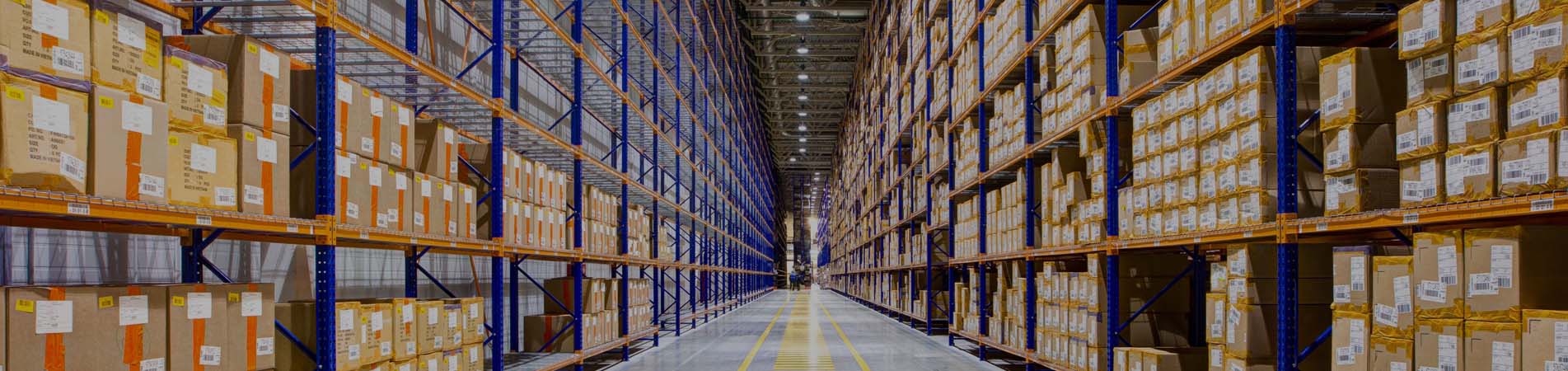
Choosing the right warehouse racking system can make or break your storage efficiency and operational costs. Whether you're expanding your current warehouse or designing a new facility, understanding the differences between drive-in racks, shuttle racking, and mobile racking is crucial for maximizing your investment.
What is Drive-In Racking?
Drive-in racking is a high-density storage system that allows forklifts to drive directly into the rack structure to store and retrieve pallets. This system operates on a Last-In-First-Out (LIFO) principle, making it ideal for storing large quantities of similar products with longer storage periods.
How Drive-In Racking Works
The system consists of continuous rails that support pallets at multiple levels. Forklifts enter the rack structure through entry points and travel along guide rails to place or retrieve pallets. The structural framework includes uprights, rails, and bracing that create drive lanes typically 10-12 feet wide.
Drive-in racks can be configured as either drive-in (single entry point) or drive-through (entry and exit points at opposite ends) depending on your operational requirements. The LIFO system means the last pallet stored is the first one retrieved, which works perfectly for products with longer shelf lives or seasonal inventory.
Key Features:
LIFO system (Last In, First Out)
Eliminates aisles between racks
Reduces pick faces by up to 75%
Cost-effective for high-volume, low-SKU operations
Requires specialized forklift training
What is Mobile Racking?
Mobile racking systems mount entire rack structures on motorized bases that move along rails. These systems eliminate fixed aisles by creating a single working aisle that moves between rack rows as needed.
How Mobile Racking Works
The system operates through electric motors, mechanical hand wheels, or hydraulic systems that move entire rack sections along rails embedded in the warehouse floor. When access is needed to specific products, the relevant racks separate to create a working aisle exactly where it's required.
Mobile racking systems can be configured with various control options, from simple mechanical systems to sophisticated computerized controls with safety sensors and automatic positioning.
Key Features:
Highest space utilization – up to 95% floor usage
Maintains 100% pallet selectivity
Reduces building footprint requirements
Energy-efficient motor systems
Ideal for slow-moving inventory
What is Shuttle Racking?
Shuttle racking represents the evolution of high-density storage into the semi-automated realm. This system combines the space efficiency of drive-in racking with radio-controlled shuttle cars that move pallets within the rack structure, eliminating the need for forklifts to enter the racking system.
How Shuttle Racking Operates
The shuttle system uses battery-powered carts that run on rails within each storage level. These shuttles are controlled via radio frequency and can move pallets deep into the rack structure. Forklifts only need to place pallets at the face of the rack and position the shuttle car at the appropriate level.
The shuttle car receives commands through a remote control or warehouse management system integration. It can operate in both FIFO (First-In-First-Out) and LIFO modes, providing flexibility that traditional drive-in racks cannot offer.
Key Features:
Semi-automated operation with remote control
FIFO (First In, First Out) or LIFO capability
Faster throughput than drive-in systems
Reduced product damage and forklift wear
Scalable automation levels
Key Difference for these racking system
Feature
Drive-In Racking
Shuttle Racking
Mobile Racking
Storage Density
High (60-75% floor usage)
High (65-80% floor usage)
Highest (85-95% floor usage)
Selectivity
Limited (LIFO only)
Good (FIFO/LIFO options)
Excellent (100% selectivity)
Operating Speed
Moderate
Fast
Slow to moderate
Investment Cost
Lowest
Moderate to high
Highest
Maintenance
Minimal
Regular (shuttle carts)
Moderate (motors/rails)
Product Damage Risk
Higher
Lower
Lowest
Automation Potential
None
High
Moderate
How to Choose the Right Dynamic Racking System
After two decades in this industry, I've developed a proven framework for making this critical decision:
1. Analyze Your Inventory Profile
High-volume, few SKUs: Drive-in racking excels
Medium variety, fast turnover: Shuttle racking wins
High variety, slow turnover: Mobile racking dominates
2. Evaluate Your Throughput Requirements
Low to moderate throughput: Drive-in works perfectly
High throughput needs: Shuttle racking delivers speed
Selective access priority: Mobile racking ensures 100% accessibility
3. Consider Your Budget Reality
Budget-conscious operations should start with drive-in racking. Growing businesses with increasing throughput demands benefit from shuttle systems. Premium operations requiring maximum space efficiency justify mobile racking investments.
4. Assess Your Labor Situation
Experienced forklift operators: Drive-in systems work well
Labor shortage concerns: Shuttle racking reduces operator dependency
Minimal daily activity: Mobile racking handles low-frequency access efficiently
Practical Examples
Case Study 1: Cold Storage Facility
A frozen food distributor with limited SKUs but massive volumes chose drive-in racking. Result: 40% increase in storage capacity with minimal investment. The LIFO system worked perfectly for their product rotation needs.
Case Study 2: E-commerce Fulfillment Center
An online retailer with 200+ SKUs and daily picking requirements implemented shuttle racking. Outcome: 60% faster throughput and 30% reduction in product damage compared to their previous drive-in system.
Case Study 3: Pharmaceutical Warehouse
A pharmaceutical company with strict FIFO requirements and premium real estate costs chose mobile racking. Achievement: 90% floor utilization while maintaining complete lot traceability and access to every pallet.
Making Your Final Decision
The best racking system isn't always the most expensive or technologically advanced – it's the one that perfectly matches your operational needs. Here's my expert recommendation process:
Start with drive-in racking if you're dealing with high-volume, low-variety inventory and have budget constraints. It's the proven workhorse of high-density storage.
Upgrade to shuttle racking when throughput becomes your bottleneck and you need faster, safer operations. The automation capabilities make it future-ready for growing businesses.
Invest in mobile racking when space is your most expensive resource and you need maximum flexibility with complete selectivity.
Conclusion
After 20 years of helping businesses optimize their warehouse operations, I can confidently say there's no universal best choice – only the best choice for your specific situation. Drive-in racking offers unbeatable value for simple, high-volume storage. Shuttle racking delivers the perfect balance of density, speed, and automation. Mobile racking provides ultimate flexibility for complex inventory management needs.
If you plan on set up a warehouse for new business like retail, wholesale,logistic and more, choose a trustworthy racking system manufacturer is essential. Heda Shelves is leading warehouse racking system factory in China since 2001. We Offer OEM&ODM Service for your storage needs in factory price. Contact us Today.
FAQ
Q: Can I mix different racking systems in the same warehouse?
A: Absolutely! Many of my clients use hybrid approaches – drive-in for fast-moving bulk items, mobile for slow-movers, and shuttle for medium-velocity products.
Q: Do I need special forklifts for these systems?
A: Drive-in requires reach trucks or specialized narrow-aisle forklifts. Shuttle and mobile systems work with standard counterbalance forklifts.
Q: How do I handle maintenance for automated systems?
A: Shuttle systems require scheduled maintenance contracts with manufacturers. Mobile systems need regular rail cleaning and motor servicing, typically manageable in-house.
For industrial storage, warehouse racking is the common and essential storage equipment. But wrong design or any mistakes will cause lower picking efficiency and damage risk of workers or products. These weak points create risks that threaten your supply chain’s workflow and efficacy – so mitigating these risk factors is paramount.
Although it’s not viable to completely eliminate all risk from your industrial warehouse racking, avoid the mistakes makes a huge difference. In this guide, we explore top mistake in buying industrial warehouse racking, discuss what’s involved, and share some strategies to help you choose right racking system.
1. Mistake: Overloading Racks Beyond Load Capacity
In industrial environments, ignoring weight limits often results in rack bending or collapse, as seen in Reddit stories where forklift "nudges" caused entire systems to fail under excess weight. This can damage inventory and endanger workers handling heavy machinery parts or raw materials.
Solution: Calculate and Enforce Strict Load Limits
Assess your inventory's maximum weight and distribution needs, then select racks rated accordingly—consult manufacturer specs and use visible signage. Such as a racking unit length 3m, just for 2 pallets, for a total of 4500 kg. Your pallet position must balance the beam; don't stack pallets vertically for one unit. Train staff on even loading techniques to prevent strain, reducing failure risks by up to 30% based on industry data.
2. Mistake: Improper Installation and Anchoring
Many industrial setups fail due to rushed or DIY installations, leading to unstable racks that shift during forklift operations. LinkedIn experts note that unanchored systems are prone to toppling from minor impacts, a common issue in high-traffic warehouses.
Solution: Hire Certified Professionals for Secure Setup
Engage trained installers to anchor racks to the floor using bolts as per ANSI standards, ensuring alignment and stability. Conduct a post-installation audit to verify compliance, preventing up to 30% of related failures. Or find the engineer support from your industrial warehouse racking manufacturer.
3. Mistake: Skipping Regular Inspections and Maintenance
Wear from daily use, like forklift collisions, often goes unnoticed until catastrophic failure. Reddit safety forums describe damaged beams and missing anchors in older systems, doubling accident likelihood over time.
Solution: Implement Scheduled Maintenance Programs
Set up bi-annual professional inspections to check for rust, bends, or loose bolts, and repair issues immediately. Use checklists from the Rack Manufacturers Institute to maintain integrity, extending rack lifespan in industrial applications.
4. Mistake: Not Planning for Future Growth
Businesses frequently regret systems designed only for current needs, leading to inefficiencies as inventory expands. For industrial storage investment, long-term items must consider 3-5 years of inventory growth or the effect of SKU exchange.
Solution: Design Scalable Systems with Expansion in Mind
Incorporate adjustable beams and modular designs during purchase, factoring in projected inventory increases. for high volume of multi-SKU, you can find the compact solution like mezzanine racking for manual picking or cantilever mezzanine maximum storage place for long item and simple item. Layout your warehouse with a experience racking manufacturer today.
5. Mistake: Poor Warehouse Layout and Aisle Design
Narrow aisles or disorganized setups cause forklift bottlenecks, reducing productivity by 20% in industrial workflows. Or increase the risk of product damage or worker injury.
Solution: Optimize Layout for Equipment and Flow
Measure forklift turning radii and plan aisles at least 10-12 feet wide for safe navigation. Use CAD tools to map efficient paths, improving retrieval speed and safety in high-volume operations.
6. Mistake: Choosing the Wrong Racking Type
Selecting incompatible systems, like using selective racks for high-density storage, wastes space and hampers FIFO/LIFO processes in industrial settings.
Solution: Match Racking to Specific Industrial Needs
Analyze inventory types—e.g., pallet vs. cantilever for long items—and test prototypes. Consult reports from brands like those in ANSI guidelines to ensure compatibility and maximize space utilization. Or find the R&D expert to design a tailored solution for save time and money.
7. Mistake: Not Considering Your Equipment
If forklifts or reach trucks can’t access the racks, you’ll end up with unusable storage or extra expense.
Solution: layout with your warehouse solution supplier to fit your the original forklift, or plan with new material handling equipment with your racking solution supplier.
8. Mistake: Buying Second-Hand Racks Without Inspection
Used racks often hide rust or fatigue, failing under industrial loads. Reddit users share regrets over uncertified bargains that led to structural issues in heavy-duty applications.
Solution: To avoid the risk of the used racking, choose the new racking solution from manufacturers or factories. Consider China industrial warehouse racking, factory price with one-stop solution.
9. Mistake: Failing to Consider Fire Safety
Fire safety is a critical factor in warehouse racking design and installation. Neglecting this aspect can lead to serious consequences, such as obstructed sprinkler systems, which reduce their effectiveness during a fire. To ensure safety, maintain proper clearances for fire safety equipment, including fire extinguishers, hoses, and emergency exits. Additionally, using fire-resistant materials for racking construction can help prevent the spread of fire.
Solutions
Adhere to Fire Safety Regulations: Ensure your racking system complies with local and national fire safety standards, such as those set by the National Fire Protection Association (NFPA) or equivalent authorities.
Maintain Clearances: Keep adequate spacing between racking systems and sprinkler heads (typically 18 inches or as specified by regulations) to ensure unobstructed water flow. Ensure clear access to fire extinguishers, hoses, and emergency exits.
Use Fire-Resistant Materials: Opt for racking materials like steel with fire-retardant coatings to minimize fire risks.
Consult Fire Safety Experts: Engage fire safety professionals during the warehouse design and racking installation process to identify and mitigate potential hazards.
Regular Inspections and Training: Conduct routine fire safety audits to verify compliance and train staff on emergency procedures, including evacuation routes and equipment use.
Practical Example:
A warehouse storing flammable goods redesigned its racking layout after a fire safety audit revealed insufficient sprinkler clearance. By adjusting rack heights to maintain an 18-inch gap below sprinkler heads and installing fire-resistant steel racks, the facility achieved compliance with NFPA standards. Additionally, they marked emergency exits clearly and conducted quarterly fire drills, reducing evacuation time by 30%.
How HEDA SHELVES Can Help You Avoid These Mistakes
Partnering with HEDA SHELVES, we are leading industrial warehouse racking manufacturer in China. With 20+ years warehouse racking design, manufactruring, installation support, ensure your warehouse racking for industrial safely and efficiently and is optimised for future growth, helping you achieve smooth and cost-effective warehouse operations.
We provide a range of racking solutions, including heavy duty racking system, carton flow systems, cantilever racking system, multi-tier mezzanine racking systems, drive-in racking systems, and more.
Reach out to us today to best cost-efficiency industrial racking tailored to your warehouse!
An effective warehouse racking numbering system isn’t just about labeling shelves — it’s a critical tool for inventory accuracy, order picking speed, and warehouse efficiency. Whether you’re setting up a new facility or optimizing an existing one, this guide will walk you through a proven step-by-step method to create a structured, scalable racking numbering system.
What Is Warehouse Racking Numbering System
A warehouse racking numbering system is an organizational method used to identify and locate specific storage positions within a warehouse facility. This system creates a logical addressing scheme that helps warehouse staff quickly find and manage inventory.
Core Components of a Racking Numbering System
A typical warehouse racking numbering system consists of a sequence of identifiers that pinpoint a specific location. This sequence generally includes:
Aisle: The lane between rows of racking.
Rack or Bay: The individual vertical section of racking within an aisle.
Level: The horizontal shelf or beam level on a rack.
Position: The specific slot or location on a level.
For example, a location code like A01-B03-02-P01 could represent:
A01: Aisle 01
B03: Bay 03
02: Level 02
P01: Position 01
Why Your Warehouse Needs a Proper Numbering System
Modern warehouses handle thousands of SKUs daily. Without a logical numbering system, you're essentially operating blind, leading to:
Inventory inaccuracies costing businesses an average of 3.2% of annual revenue
Extended picking times that reduce productivity by up to 35%
Increased labor costs due to inefficient item location
Customer satisfaction issues from shipping delays and errors
Best Practices for Numbering Your Warehouse Racking
Keep it Simple and Logical
The numbering should be intuitive for warehouse staff to understand and follow. Avoid overly complex systems that can lead to confusion and errors. A common and effective method is to use a sequential numbering pattern.
Aisles: Number aisles sequentially (e.g., 01, 02, 03) or use a combination of letters and numbers to denote different zones (e.g., A01 for dry goods, B01 for cold storage). Consider the flow of traffic and potential future expansion when assigning aisle numbers.
Racks/Bays: Number racks sequentially along the aisle. A popular technique is to use odd numbers for one side of the aisle and even numbers for the other. This helps with orientation and efficient movement.
Levels: Number levels from the bottom up, starting with 01 for the ground level. This is a universally understood and logical approach.
Positions: Number positions from left to right.
Plan for Scalability
Your warehouse will likely evolve. The numbering system you implement today should accommodate future growth without requiring a complete overhaul. Leave gaps in your numbering sequences to allow for the addition of new aisles or racks. For instance, you could number aisles in increments of ten (10, 20, 30), leaving room to insert new aisles in between.
Alphanumeric vs. Numeric Systems
While a purely numeric system is often simpler and less prone to data entry errors, an alphanumeric system can provide more information at a glance. For example, letters can be used to designate zones (e.g., 'A' for ambient, 'C' for chilled) or to differentiate between pick and reserve locations. If you opt for an alphanumeric system, ensure it remains logical and easy to decipher.
Implementation and Maintenance
Once you've designed your numbering system, the next step is implementation.
Labeling: Use clear, durable labels that are easy to read from a distance. Consider using barcodes in conjunction with the human-readable number to facilitate scanning and integration with a Warehouse Management System (WMS). The placement of labels should be consistent throughout the warehouse.
Warehouse Management System (WMS) Integration: Ensure your chosen numbering system is compatible with your WMS. The logical structure of your numbering system will be crucial for the WMS to optimize picking paths and manage inventory locations effectively.
Training: Thoroughly train all warehouse staff on the new numbering system. Provide clear documentation and visual aids to help them understand and use the system correctly.
Why Invest in HEDA Shelves Racking System?
Are you looking for best storage solution for your warehouse? Still limited by inventory growth while you apply the best practices numbering system? Update your racking system! With 20+ years racking system manufacturing, heda shelves offer extremely durable warehouse rack with free design. Our racking system solution helps 5000+ warehouse increase capacity and save money. Contact us now.
FAQ
What is a warehouse rack numbering system?
It is a systematic way to number racks or bays in a warehouse shelving system to clearly identify storage locations. This can involve numeral, alphanumeric, or combined schemes depending on the warehouse complexity and needs.
Why is a rack numbering system important?
Proper numbering facilitates efficient picking, reduces errors, and supports warehouse management systems (WMS) by providing clear, unambiguous locations for inventory items. Haphazard or duplicated numbering can cause operational issues and losses.
How to label racks?
Use clear labels including human-readable numbers and optionally barcodes. Colors or signage can help differentiate categories or zones within the warehouse.
When you design a Pallet Racking In Warehouse, picking efficiency and load capacity is the role of warehouse racking design. That includes two section: stuff access or forklift access. In this guide, we will tell you how to choose the high picking efficiency High-Throughput Pallet Racks racking system. Follow our guidelines.
Understand the High-Throughput of pallet racking
In warehouse and industrial storage environments, the concept of pallet racks that you can run stuff through the middle refers to pallet racking systems specifically designed to support high throughput. The Flow Through that allows goods move easily through the storage lanes without unnecessary handling or obstruction.
Key Feature:
Especially valuable for operations requiring:
Fast-moving inventory rotation
FIFO (First In, First Out) or LIFO (Last In, First Out) systems
Reduction of forklift travel distance
Optimized labor usage
Pallet Racks with Throughput Capabilities
Certain pallet racking designs are engineered to facilitate product movement directly through storage lanes. These systems typically feature integrated rollers, shuttles, or inclined lanes to enable smooth product flow without manual repositioning.
Common Types Include:
Pallet Flow Racking (FIFO)
Push-Back Racking (LIFO)
Drive-Through and Drive-In Racking
Pallet Shuttle Racking Systems
Each offers different advantages based on load type, warehouse layout, and operational priorities.
Types of Pallet Racking That Support Throughput
Type
Flow Direction
FIFO/LIFO
Load Capacity
Best Application
Pallet Flow Racking
One-way
FIFO
Medium–High
Cold storage, food, high turnover goods
Push-Back Racking
One-way
LIFO
Medium
Retail warehouses, mixed SKU storage
Drive-In Racking
Two-way
LIFO
High
Bulk storage, few SKUs
Drive-Through Racking
Two-way
FIFO
High
High-turnover bulk items
Pallet Shuttle Racking
One-way or two-way
FIFO/LIFO
High
Large volume, automated storage
Application of high throughput pallet racking
High-throughput pallet racks are essential in industries where efficiency and inventory turnover are key.
Common Application
Cold Storage Facilities: For perishable goods where FIFO is critical.
E-Commerce Fulfillment Centers: High-volume SKU management and rapid order processing.
Retail Distribution Warehouses: Fast inventory rotation and minimal storage delays.
Automotive and Industrial Parts Warehousing: Storing large, heavy items with smooth flow capability.
Food and Beverage Storage: Ensuring product freshness and regulatory compliance through FIFO storage.
Why Choose High-Throughput Pallet Racks
Choosing pallet racks that allow products to move through the middle offers several advantages:
Maximized Storage Efficiency: Improved space utilization both vertically and horizontally.
Increased Picking Speed: Faster product retrieval and loading processes.
Reduced Labor Costs: Less manual handling and shorter forklift travel distances.
Inventory Accuracy: Better stock control and organization.
Enhanced Safety: Minimizes congestion and reduces the risk of product damage or operator injury.
Tips for Choosing High-Throughput Pallet Racks
Selecting the right high-throughput pallet racking system requires a balance of operational needs, space constraints, and budget considerations. Here are key factors to guide your decision:
1. Define Your Inventory Flow Requirements
FIFO or LIFO: Determine if your inventory needs First In, First Out (FIFO) or Last In, First Out (LIFO) management.
Product Turnover Rate: High-turnover items may need pallet flow racks, while slower-moving bulk items might suit drive-in racks.
2. Assess Load Capacity and Pallet Specifications
Weight per Pallet: Confirm the system’s load capacity matches your heaviest pallets.
Pallet Size and Type: Ensure compatibility with standard or custom pallet dimensions used in your facility.
3. Evaluate Available Space and Layout
Aisle Width and Ceiling Height: Maximize vertical storage if floor space is limited.
Rack Depth and Lane Length: Deeper racks are suitable for bulk storage, while shallower racks work for mixed SKUs.
4. Consider Handling Equipment Compatibility
Ensure the racking system works with your existing forklifts, shuttles, or automated guided vehicles (AGVs).
Check clearances for safe and efficient loading/unloading.
5. Prioritize System Flexibility
Look for adjustable beam heights and modular rack designs to allow future changes as your business grows.
Systems like pallet shuttle racking offer automation-ready features for scalability.
6. Factor in Environmental Conditions
Cold Storage or Outdoor Use: Opt for hot-dipped galvanized finishes for corrosion resistance.
High-Humidity Areas: Choose rust-resistant materials to extend system lifespan.
7. Balance Cost and Value
Weigh the upfront investment against long-term efficiency gains, labor savings, and maintenance costs.
Consider total cost of ownership, not just the initial purchase price.
8. Work with a Professional Supplier
Partner with an experienced racking supplier or manufacturer to receive expert layout advice, safety recommendations, and after-sales support.
Finding High-Throughput Pallet Racking Solution
Investing in the right pallet rack that you can run stuff through the middle depends on a careful assessment of your warehouse’s needs. Custom solutions are often necessary to ensure optimal fit and performance.
If you’re looking for expert guidance or customized pallet racking systems, our team offers tailored solutions—from initial consultation and layout design to manufacturing and installation.
Contact us today to discuss your high-throughput pallet racking project and request a personalized quote.
Gravity Flow Rack which is familiar work in the logistics industry for bulk storage and picking module with a number of terms. However, some can cause confusion, either due to similarities in words or functions. In the case of carton flow or pallet flow, for live storage workflow, how to choose the right one?
Despite the similar names and the fact that both solutions work for transporting palletized loads, they are different. Below, we explain what a flow is and how it differs bewteen pallet flow and carton flow:
What is a pallet flow rack?
A pallet flow rack is a gravity-fed storage system designed for full pallets of goods. It consists of inclined lanes equipped with rollers or wheels that allow pallets to flow from the loading end to the picking end using gravity. The system operates on a First-In, First-Out (FIFO) principle, making it ideal for inventory rotation.
Key Features of Pallet Flow Racks:
Gravity-fed system: Pallets flow automatically from back to front
FIFO inventory management: Ensures proper product rotation
High-density storage: Maximizes storage capacity in available space
Separate loading and picking aisles: Improves workflow efficiency
Automatic product rotation: Reduces handling and labor costs
Best Applications for Pallet Flow Racks:
Food and beverage storage with expiration dates
Pharmaceuticals and medical supplies
Cold storage and freezer applications
High-volume distribution centers
Products with varying sizes that need rotation
Operations requiring automatic stock rotation
What is a carton flow rack?
A carton flow rack is a gravity-fed storage system designed for individual cases, cartons, bins, or totes. It features inclined shelves or roller tracks that allow smaller items to flow from the loading end to the picking end. This system is optimized for piece-picking operations and fast-moving consumer goods.
Key Features of Carton Flow Racks:
Designed for smaller items: Handles cartons, bins, and totes
Versatile shelving: Adjustable to accommodate different product sizes
High picking rates: Optimized for fast individual item retrieval
Compact design: Efficient use of vertical space
Easy access: Items are always at the front for quick picking
Best Applications for Carton Flow Racks:
E-commerce fulfillment centers
Retail distribution operations
Fast-moving consumer goods
Electronics and small parts storage
Order picking operations
Facilities with high SKU variety
Which one to choose?
After clearing up the confusion between pallet flow and carton flow systems, it's time to understand when to choose each one. Contrary to what you might think, the right racking system isn't defined by your industry—it's defined by your specific application needs. The main factors that influence this decision are:
• Product Weight: For lightweight items (less than 50 pounds per carton), carton flow racks are the best option. When products exceed this weight and require pallet handling, the physical effort needed by workers becomes very high. Therefore, from full pallet weights onwards, pallet flow systems are more recommended.
• Storage Volume: Carton flow racks are only suitable for smaller, individual items. For medium-volume storage needs, a mixed approach with both systems works best, while for large-volume pallet operations, the best option is a dedicated pallet flow system.
• Picking Frequency: If the picking volume is high with many different products, it is recommended that carton flow racks be used. This method reduces the physical effort required by employees, contributing to better productivity in the work environment.
When Should You Choose Pallet Flow Rack:
Your operation handles full pallets regularly
Products have expiration dates requiring rotation
You need high-density storage for bulk items
Cold storage or freezer applications are involved
Heavy, palletized goods make up most inventory
When Should You Choose Carton Flow Rack :
Individual item or case picking is primary
You handle fast-moving consumer goods
E-commerce or retail fulfillment drives operations
Product variety is high with smaller quantities
Quick picking speed is essential
If you looking for reliable flow rack manufacturer, contact Heda shelves or click here to call experts in Whatsapp. We are leading factory in warehouse storage rack in China and has a specialized technical team dedicated to researching and planning the best solution using the best products.
Have you limited in warehouse space or picking efficiency of your business? Choose the right storage equipment can help you increase picking efficiency and save more extra space fit your business growth. What is a storage mezzanine in a warehouse?
Known for their feature, application and step guide for installation , these storage mezzanine can help you get 50% or more space, blending seamlessly than moving warehouse or buildling a new structure. Offering flexible storage solution, and increase picking workflow, storage mezzanine are a popular choice for warehousing or logitistic.
What is a Storage Mezzanine?
Storage mezzanines are intermediate floors constructed between the main floors of a building, specifically designed to maximize storage capacity and operational efficiency. These semi-permanent structures create additional floor space by utilizing the vertical height of existing facilities, effectively doubling or tripling usable storage area without the need for costly building expansions.
Storage mezzanines are typically freestanding steel structures that can be installed within warehouses, distribution centers, manufacturing facilities, and retail spaces. They consist of a raised platform supported by columns and accessed via stairs, creating valuable storage space both above and below the mezzanine level.
Key Components of a Storage Mezzanine System
Structural Framework
The primary structure consists of steel columns and beams that form the load-bearing framework. These components are engineered to specific load requirements and building codes, typically using high-strength steel with protective coatings to prevent corrosion and ensure longevity.
Decking System
The floor surface of the mezzanine uses various decking materials including:
Steel Decking: Corrugated steel sheets providing excellent strength-to-weight ratio
Concrete on Steel: Concrete poured over steel decking for maximum load capacity
Composite Decking: Engineered materials offering specific performance characteristics
Grating: Open steel grating for applications requiring drainage or visibility
Support Columns
Vertical columns transfer loads from the mezzanine to the building floor. Column spacing and sizing depend on load requirements, clear span needs, and existing building constraints. Columns can be designed to minimize interference with ground-level operations.
Access Systems
Safe access to the mezzanine level is provided through:
Stairs: Fixed staircases with appropriate rise, run, and handrails
Ladders: Space-efficient vertical access for light-duty applications
Lifts: Mechanical systems for moving materials between levels
Conveyor Systems: Automated material handling integration
Safety Features
Handrails: Perimeter protection meeting OSHA requirements
Safety Gates: Controlled access points at stairs and lift areas
Toe Plates: Prevent objects from falling to lower levels
Anti-Slip Surfaces: Textured flooring to prevent slips and falls
Emergency Exits: Adequate egress planning for personnel safety
Lighting and Utilities
LED Lighting: Energy-efficient illumination for all levels
Electrical Distribution: Power outlets and wiring for equipment
HVAC Integration: Climate control considerations for stored materials
Fire Safety Systems: Sprinkler integration and fire detection
Benefits of Using Storage Mezzanines
Space Optimization
Storage mezzanines can increase usable floor space by 100-300% without expanding the building footprint. This vertical expansion makes efficient use of overhead space that would otherwise remain unused, particularly valuable in facilities with high ceilings.
Cost-Effectiveness
Installing a mezzanine system costs significantly less than building additions or relocating to larger facilities. The return on investment typically occurs within 2-3 years through increased storage capacity and operational efficiency. Additionally, mezzanines can often be depreciated as equipment rather than permanent structures, providing tax advantages.
Flexibility and Adaptability
Modern mezzanine systems are designed for easy reconfiguration, expansion, or relocation. As business needs change, the structure can be modified to accommodate different storage requirements, equipment layouts, or operational processes without major construction disruptions.
Improved Organization
Multi-level storage allows for better inventory segregation and organization. Different product categories can be stored on separate levels, improving picking accuracy and reducing search time. This vertical organization also facilitates better inventory management and stock rotation practices.
Enhanced Safety and Access
Well-designed mezzanines include proper safety features such as handrails, safety gates, and non-slip flooring. They provide controlled access to elevated storage areas while maintaining safe working conditions for personnel.
Minimal Disruption
Unlike traditional construction, mezzanine installation typically requires minimal disruption to ongoing operations. The modular nature of these systems allows for phased installation, keeping business operations running smoothly during construction.
Conclusion
In summary, Storage Mezzanine are a versatile, cost-effective, and practical solution for businesses that offers flexible solution to remodel commercial warehouse or e-commerce picking space.
If you’re considering storage mezzanine for your business, be sure to consult with a professional warehouse mezzanine manufacturer to ensure that your structure is designed and installed to meet your specific requirements. With the right design and implementation, storage mezzanine will help your business growth well and save space & money.
At Heda Shelves, we offer free design by 20+ years R&D Team, ensure each project install high-quality mezzanine floors that are tailored to your needs and installed with unparalleled efficiency. Contact us today.
Designing an efficient and effective storage racking system is paramount for the fast-paced and high-volume nature of the Fast-Moving Consumer Goods (FMCG) industry. A well-designed system can significantly boost operational efficiency, minimize costs, and ensure product quality and safety.
This guide explains how pallet racking works in the FMCG context, its key applications, tips for selecting the right system, and where to turn for expert guidance.
How Pallet Racking Work In FMCG
Pallet racking is a material storage system designed to store palletized products in horizontal rows with multiple levels. For the FMCG industry, its function goes beyond simple storage; it's an active part of the daily workflow designed for rapid movement.
Receiving: Goods arrive from manufacturers on pallets. These are unloaded and staged for put-away.
Put-Away: Forklifts or other Material Handling Equipment (MHE) lift the pallets and place them into a designated slot in the racking system. The location is determined by the Warehouse Management System (WMS), which considers factors like product type, expiry date, and picking frequency.
Storage: Pallets are held in the racking system. The type of racking dictates how they are stored—whether in a high-density block or a more accessible single-pallet bay. Crucially for FMCG, this is often a short-term phase.
Replenishment & Picking: As orders come in, full pallets may be moved to a forward picking area, or individual cases are picked directly from the pallet in the rack. For high-volume orders, the entire pallet is retrieved.
Dispatch: Retrieved pallets are staged, checked, stretch-wrapped if necessary, and loaded onto outbound trucks for delivery to retailers, distribution centers, or customers.
Application of Pallet Racking in the FMCG Industry
Racking Type
Primary Application in FMCG
Key Benefits
Selective Racking
Storing a wide variety of SKUs with lower pallet counts per SKU. Ideal for products with diverse packaging and slower turnover rates.
• Direct access to every pallet• Cost-effective & versatile• Easily adjustable for different product heights
Pallet Flow Racking (Gravity Flow)
Crucial for date-sensitive goods like dairy, produce, and beverages. Perfect for high-volume, full-pallet picking.
• Guarantees First-In, First-Out (FIFO)• High-density storage• Separates loading and picking aisles for efficiency
Drive-In / Drive-Thru Racking
Storing large quantities of the same SKU, such as canned goods or seasonal items where stock is depleted in bulk.
• Excellent storage density, maximizing floor space• Cost-effective high-density solution• Drive-Thru can be configured for FIFO
Push-Back Racking
For medium-turnover products where density is important but FIFO is less critical than in Pallet Flow. Good for bulk goods and beverages.
• Higher density than selective racking• Faster picking than Drive-In• Good space utilization
Pallet Shuttle Racking
High-density storage for high-turnover SKUs. Often used in cold storage or ambient warehouses where space is at a premium.
• Semi-automated speed and efficiency• Maximum density• Can be configured for FIFO or LIFO
Adjustable & Mobile Racking (MOVO)
In temperature-controlled environments or for high-value goods where maximizing every cubic meter is essential.
• The ultimate space-saving solution• Provides 100% access in a high-density format
Tips for choose right pallet racking in FMCG Industry
Prioritize Inventory Rotation (FIFO/LIFO): For perishable goods, a First-In, First-Out (FIFO) system like Pallet Flow is essential to minimize spoilage. For non-perishable, high-volume items, a Last-In, First-Out (LIFO) system like Drive-In or Push-Back can offer greater density.
Analyze Product Characteristics: Evaluate your entire product range. Consider the number of SKUs, the number of pallets per SKU, pallet dimensions and weight, and any special handling requirements (e.g., cold storage). A warehouse often needs a mix of racking types.
Calculate Your Desired Storage Density: How much product do you need to fit into your available space? High-density systems like Drive-In or Pallet Shuttle reduce aisle space and maximize storage, but may limit direct access to every pallet.
Plan for Throughput and Scalability: How quickly do goods need to move through your warehouse? Your racking system must support your required picking and replenishment speeds. Furthermore, choose a modular system that can be expanded or reconfigured to adapt to future growth and changes in your product mix.
Get Expert Help For your FMCG Warehouse
So, if you’re wondering set a NEW WAREHOUSE/ UPGARDE YOUR FMCG WAREHOUSE, this guide has covered it all. The correct timing for window replacement remains essential for preserving home energy efficiency together with comfort and overall health conditions.
HEDA SHELVES provides various type of racking system and design in FMCG storage solutions that unite aesthetics with durability alongside practicality. Get Free Quote Now.
In today's competitive warehouse and distribution landscape, maximizing storage capacity while maintaining operational efficiency is paramount. Drive-in racking systems have emerged as a powerful solution for facilities seeking to optimize their storage density without expanding their footprint. This comprehensive guide explores everything you need to know about drive-in racking, from basic concepts to implementation considerations.
What is Drive-In Racking?
Drive-in racking is a high-density storage system that allows forklifts to drive directly into the rack structure to place and retrieve pallets. Unlike traditional selective racking where each pallet is accessible from the aisle, drive-in systems store pallets in continuous rows with minimal structural interruption.
The system operates on a rail-based design where pallets rest on support rails that extend from the rack uprights. Forklifts enter the rack structure through designated openings, traveling along guide rails to reach storage positions deep within the system. This configuration eliminates the need for aisles between each storage position, dramatically increasing storage density.
Key Components
Uprights and Frames: Heavy-duty steel columns that form the primary structural support, designed to withstand the additional stresses of forklift traffic within the rack system.
Support Rails: Horizontal rails that support pallet loads, typically positioned at multiple levels to create multi-tier storage.
Guide Rails: Floor-mounted or rack-mounted rails that guide forklifts safely through the rack structure and prevent contact with uprights.
Entry Gates: Reinforced openings that provide access points for forklifts, often featuring additional protective elements.
Drive-In vs. Drive-Through Configuration
Drive-In Racking features a single entry point, creating a Last-In-First-Out (LIFO) inventory system. Pallets are loaded and retrieved from the same side, making this configuration ideal for products where inventory rotation is less critical.
Drive-Through Racking provides entry points on both sides of the system, enabling First-In-First-Out (FIFO) inventory rotation. While this configuration requires more floor space due to dual aisle requirements, it offers greater flexibility for inventory management.
Advantages of Drive-In Racking
Maximum Space Utilization
Drive-in racking can achieve storage densities of 75-85%, compared to 50-60% for selective racking systems. This dramatic improvement in space utilization can defer or eliminate the need for facility expansion, providing significant cost savings and improved return on investment.
Reduced Building Costs
Higher storage density translates directly to reduced building requirements. Facilities can store the same quantity of goods in a smaller footprint, lowering construction costs, property taxes, and ongoing operational expenses like heating, cooling, and lighting.
Weather Protection
The consolidated storage design provides better protection for stored goods against environmental factors. Products stored deep within the rack structure are naturally shielded from temperature fluctuations, dust, and other environmental conditions that might affect quality.
Ideal for Bulk Storage
Drive-in systems excel at storing large quantities of identical or similar products. This makes them perfect for manufacturers with seasonal products, food and beverage distributors with bulk commodities, or any operation dealing with high-volume, low-SKU inventory.
Energy Efficiency
Consolidated storage reduces the cubic volume that needs to be heated or cooled, leading to lower energy costs. Additionally, the reduced aisle space means less area requiring lighting during normal operations.
Disadvantages of Drive-In Racking
Limited Selectivity
The primary drawback of drive-in racking is reduced product accessibility. Once pallets are stored deep within a lane, all pallets in front must be removed to access rear positions. This makes the system unsuitable for operations requiring frequent access to individual pallets or multiple SKUs within the same lane.
LIFO Inventory Constraints
The single-entry drive-in configuration naturally creates a LIFO inventory flow, which can be problematic for products with expiration dates or strict rotation requirements. While drive-through systems can address this limitation, they require additional floor space.
Slower Product Retrieval
Retrieving pallets from deep storage positions takes longer than accessing products in selective racking. This can impact overall warehouse productivity, particularly during peak order fulfillment periods.
Higher Equipment Wear
Forklifts operating within rack structures experience increased wear due to the precision required for maneuvering in confined spaces. This can lead to higher maintenance costs and more frequent equipment replacement.
Structural Vulnerability
Drive-in racks are more susceptible to damage from forklift impacts. Contact with uprights or rails can potentially affect structural integrity, and the interconnected nature of the system means localized damage can have broader implications.
Reduced Warehouse Flexibility
Once installed, drive-in systems are less flexible than selective racking for accommodating different pallet sizes or changing storage requirements. Reconfiguration typically requires more extensive modifications.
Drive-In Racking for Warehouse/Industrial Facilities: What to Consider
Inventory Characteristics Analysis
Product Velocity: Drive-in racking works best for slow-to-medium turnover products. Analyze your inventory turnover rates to identify suitable product categories. Fast-moving items that require frequent access may be better suited to selective racking systems.
SKU Diversity: Evaluate the number of different products you need to store. Drive-in systems are most effective when storing large quantities of identical items. High SKU diversity may require a hybrid approach combining drive-in and selective systems.
Seasonality Patterns: Consider seasonal demand fluctuations. Drive-in racking excels for products with predictable seasonal patterns where large quantities are stored during off-peak periods and gradually depleted during high-demand seasons.
Facility Design Requirements
Floor Loading Capacity: Drive-in systems concentrate loads in smaller areas, potentially exceeding standard floor loading capacities. Conduct a structural analysis to ensure your facility can handle the increased loads, or plan for floor reinforcement.
Ceiling Height Optimization: Maximize vertical space utilization by considering your facility's clear height. Factor in sprinkler systems, lighting, and other overhead obstructions when determining optimal rack height.
Aisle Width Planning: Drive-in systems require wider aisles than selective racking to accommodate forklift maneuvering. Plan for 12-13 feet minimum aisle width for counterbalance forklifts, with additional clearance for safety margins.
Equipment Compatibility Assessment
Forklift Fleet Evaluation: Assess your current forklift fleet's compatibility with drive-in operations. Consider lift capacity, mast type, turning radius, and operator visibility. Some facilities may need to invest in specialized equipment optimized for narrow-aisle operations.
Load Handling Equipment: Evaluate whether your current load handling equipment can safely operate within the confined spaces of drive-in racks. Side-shifters, fork positioners, and other attachments may require modification or replacement.
Guidance Systems: Consider implementing wire guidance, laser guidance, or other precision positioning systems to improve safety and efficiency within rack structures.
Safety and Risk Management
Structural Protection: Implement comprehensive protection systems including upright guards, guide rails, and impact barriers. The enclosed nature of drive-in systems makes collision prevention critical for both safety and structural integrity.
Operating Procedures: Develop detailed standard operating procedures specific to drive-in rack operations. Include speed limits, entry/exit protocols, load positioning requirements, and emergency procedures.
Training Programs: Invest in specialized training for operators who will work with drive-in systems. The reduced visibility and precision required for safe operation necessitate additional skill development beyond standard forklift operation.
Regular Inspections: Establish routine inspection protocols to identify potential structural issues, wear patterns, or damage that could compromise system safety. The interconnected nature of drive-in systems makes preventive maintenance critical.
Fire Safety and Code Compliance
Sprinkler System Integration: Coordinate drive-in rack design with fire suppression systems. The high storage density and reduced accessibility can impact sprinkler effectiveness, potentially requiring specialized fire protection measures.
Building Code Compliance: Verify compliance with local building codes, particularly regarding seismic requirements, emergency egress, and structural loading. Drive-in systems may require additional engineering analysis to meet local regulations.
Insurance Considerations: Consult with insurance providers regarding coverage for high-density storage operations. Some insurers may require additional safety measures or have specific requirements for drive-in rack installations.
Economic Analysis Framework
Total Cost of Ownership: Evaluate the complete financial picture including initial system cost, installation expenses, potential building modifications, equipment upgrades, and ongoing operational costs.
Space Value Calculation: Quantify the value of increased storage density by calculating cost per stored pallet position. Consider both the direct cost savings and the opportunity cost of alternative uses for the freed space.
Productivity Impact Assessment: Analyze how drive-in racking will affect overall warehouse productivity. While individual retrieval operations may take longer, the overall impact depends on your specific operational patterns and inventory mix.
Future Flexibility Planning: Consider the long-term implications of drive-in rack installation. Evaluate how easily the system can be modified or expanded as your business needs evolve.
Technology Integration Opportunities
Warehouse Management System Integration: Ensure your WMS can effectively manage drive-in rack operations, including slot optimization, inventory tracking within deep storage positions, and retrieval sequence optimization.
Real-Time Monitoring: Consider implementing sensors and monitoring systems to track rack utilization, structural condition, and operational efficiency. Real-time data can help optimize operations and prevent potential issues.
Automation Readiness: Evaluate whether your drive-in rack design should accommodate potential future automation. While fully automated drive-in systems are less common, semi-automated solutions may become more viable as technology advances.
Making the Right Decision
Drive-in racking represents a significant investment and operational change that can deliver substantial benefits when properly implemented. The key to success lies in thoroughly analyzing your specific requirements and constraints before making a commitment.
Start by conducting a comprehensive inventory analysis to identify products suitable for drive-in storage. Evaluate your facility's physical constraints and equipment capabilities. Most importantly, consider how drive-in racking aligns with your long-term business strategy and growth plans.
Remember that drive-in racking isn't an all-or-nothing proposition. Many successful implementations use a hybrid approach, combining drive-in systems for appropriate products with selective racking for items requiring frequent access. This balanced approach can optimize both storage density and operational efficiency.
The decision to implement drive-in racking should be based on solid data analysis, careful planning, and realistic expectations about both benefits and limitations. When properly planned and executed, drive-in racking can transform warehouse operations, delivering significant improvements in space utilization, cost efficiency, and competitive advantage.
If you’re finding Drive-in/thru racking system, feel free to contact us at abby@hedashelf.cn for technical and pricing support.
In Modern Warehouse Storage, Live storage play a crucial role in FMCG and Picking System. These Racking System design to high turnover goods. Among the various storage solutions available, pallet flow racking systems have emerged as a sophisticated and versatile option for warehouses dealing with high-volume, time-sensitive products. In live storage, carton flow racking, pallet flow racking, Which is the best system for your warehouse?
This article provides a comprehensive overview of pallet flow racking, their functions, characteristics, and tips for design pallet flow racking.
What Is a Pallet Flow Racking?
Pallet flow rack systems represent a sophisticated approach to warehouse storage, leveraging gravity to facilitate a seamless and organized inventory flow. At their core, these systems operate on the principle of "first-in-first-out" (FIFO), where pallets are loaded at one end of a rack lane and smoothly glide towards the other end for unloading.
Flow racking systems consist of very particular types of high-density racks: their components and structure leverage gravity to streamline all goods extraction and storage operations. These structures save time compared to traditional drive-in/drive-thru racks, as the fork trucks don't need to enter the lanes (gravity forces the products to slide forward towards the front of the racks).
The system incorporates strategically positioned skate wheels or rollers set on a gradual slope, typically at a 3% to 4% angle for pallets. This gravity-driven design ensures that when a pallet is removed from the front position, the remaining pallets automatically glide forward to fill the pick position, creating a continuous flow of inventory.
Key characteristics of pallet flow racking
Gravity-Driven Movement: Uses the natural force of gravity to move pallets through the system
FIFO Inventory Management: Ensures oldest stock is accessed first, critical for perishable goods
High-Density Storage: Maximizes warehouse space utilization through deep-lane storage
Controlled Speed Systems: Incorporates brake rollers and speed controllers for safe pallet movement
Dual-Aisle Operation: Typically requires separate loading and unloading aisles for optimal efficiency
Applications of Pallet Flow Racking
Pallet flow racking systems excel in specific warehouse environments and industry applications where their unique characteristics provide maximum benefit.
Industry Applications
Food and Beverage Industry
In the food and beverage industry, pallet flow rack systems are integral. The FIFO system ensures that perishable items are efficiently rotated, minimizing the risk of spoilage and contributing to effective inventory management. This application is particularly crucial for dairy products, fresh produce, and processed foods with specific expiration dates.
Medical and Pharmaceutical Supplies
Medical supplies often have time-sensitive characteristics, necessitating a controlled and organized inventory flow. Pallet flow racks provide the ideal solution for ensuring that medical products are readily accessible and properly managed. The FIFO system is essential for maintaining drug efficacy and regulatory compliance.
Cold Storage Facilities
For cold storage environments, where space optimization is paramount, pallet flow racks with their dense storage capabilities become indispensable. These systems not only maximize storage capacity but also contribute to maintaining an organized and efficient cold storage facility.
General Distribution Centers
In industries requiring swift and organized access to diverse products, such as general distribution, pallet flow racks prove invaluable. The efficient flow of goods ensures that the right products are readily available for distribution, enhancing overall operational efficiency in diverse and dynamic warehouse settings.
Operational Applications
High-Volume, Low-SKU Storage
Pallet flow rack systems are most commonly used for storing a large quantity of pallets of the same product or SKU. This makes them ideal for manufacturers and distributors who handle large quantities of uniform products.
Case-Pick Operations
Pallet flow racks are excellent for high-volume case-pick applications where workers manually select cases from the front pallet position while reserve pallets queue behind, ensuring continuous replenishment.
Interim Storage Areas
Especially in the case of flow racks with rollers and carton flow racks, they serve to connect the dispatch and storage areas by leaving the aisles free on both sides.
Temporary Storage and Staging
The systems work effectively as buffers for dispatches and production, particularly in staging areas where goods await shipment.
Structural Components of Pallet Flow Racking
Gravity Wheel and Roller Systems
What sets these flow storage systems apart is the incorporation of rollers or trolleys with bearings that facilitate the controlled movement of goods from one end of the channel to the other. The system uses two primary track configurations:
Individual Skate Wheels: In this track configuration, these wheels are strategically positioned to provide support to the strongest part of the pallets. This deliberate arrangement ensures a balanced and controlled flow as pallets traverse along the track.
Full-Width Steel Rollers: In this setup, these rollers are strategically positioned to support the entire width of the pallet. This design choice offers a broader surface for pallet movement, enhancing the adaptability of the system to various pallet types and sizes.
Inclination and Pitch
The inclination of the roller platforms can be personalized depending on the unit loads: it's usually set at a 3% to 4% angle for pallets, while it can be higher for boxes. The precise angle ensures optimal flow speed while maintaining control.
Safety Systems
Brake Rollers and Speed Controllers
Brake rollers: slow down the speed of the load depending on the force generated. The faster the acceleration, the greater the brake force. These components prevent pallets from moving too quickly and potentially causing damage or safety hazards.
Pallet Centralizers
Pallet centralizers: assist with pallet entries to ensure they fit perfectly in the channel. These guides help maintain proper pallet alignment throughout the flow process.
Ramp Stops and End Barriers
Ramp stops at the ends of the channels: reinforce this area to prevent it from giving way to the accumulated weight of the goods at the exit point.
Height and Capacity Considerations
Height Limitations
This isn't a storage system that stands out for its height, although it is possible to combine it with stacker cranes for pallets. To operate with these kinds of racks, manual handling equipment is normally used, limiting the height.
Space Efficiency Impact
Due to the inclination of this system, the pallet flow racks are taller than traditional high-density systems. What's more, the higher their levels, the greater the loss of storage space (which could even amount to an additional level).
Pallet Flow Racking vs. Selective Pallet Racking
Understanding the differences between pallet flow racking and conventional selective pallet racking is crucial for making the right choice for your warehouse.
Feature
Pallet Flow Racking
Selective Pallet Racking
Storage Density
Very high; stores pallets several deep in lanes
Lower; usually single or double deep
Inventory Rotation
FIFO (first-in, first-out)
Also supports FIFO but less efficient for large volumes
Space Utilization
Requires fewer aisles; maximizes storage footprint
Requires more aisles; less space-efficient
SKU Variety
Best for low SKU, high volume (one SKU per lane)
Accommodates many SKUs with 100% access
Cost
Higher initial cost due to complexity
More affordable and simpler to install
Loading/Unloading
Separate aisles for loading and unloading
Loading and unloading from the same aisle
Operational Efficiency
Higher productivity with less forklift travel
More forklift travel due to multiple aisles
Pallet flow racks excel in high-volume, low-SKU environments needing efficient FIFO rotation, while selective racks are better suited for operations with many SKUs requiring direct access to each pallet.
5 Tips for Pallet Flow Racking Layout
Implementing an effective pallet flow racking layout requires careful planning and consideration of multiple factors. Here are five essential tips for optimizing your system design:
Analyze Product Characteristics and Flow Patterns
Before designing your layout, conduct a thorough analysis of your product mix and movement patterns. Consider factors such as:
Product Velocity: Identify fast-moving versus slow-moving items
Seasonal Variations: Account for peak and off-peak demand periods
SKU Concentration: Determine which products have sufficient volume to justify deep-lane storage
Product Compatibility: Ensure products can be safely stored in flow systems
Focus on products with consistent, high-volume movement that benefit from FIFO rotation. Items with irregular demand patterns may be better suited for selective racking.
Optimize Lane Depth and Configuration
Determine the optimal lane depth based on your inventory turnover and space constraints:
Standard Depths: Most pallet flow systems accommodate 3-10 pallets deep
Turnover Rate: Higher turnover rates can support deeper lanes
Pick Frequency: Balance lane depth with picking efficiency
Safety Considerations: Ensure adequate visibility and access for operators
Consider mixed-depth configurations where different products may require varying lane depths based on their specific characteristics and demand patterns.
Plan Aisle Layout and Traffic Flow
Design your aisle configuration to maximize efficiency and minimize congestion:
Separate Loading and Unloading: Maintain distinct aisles for input and output operations
Traffic Direction: Establish clear traffic patterns to prevent conflicts
Emergency Access: Include safety aisles for emergency situations
Equipment Clearance: Ensure adequate space for your material handling equipment
Flow racking systems with rollers require two aisles: one to insert pallets into the corresponding channel and another to extract them. Thanks to this separation, incoming and outgoing traffic remains uninterrupted, while forklift operators gain in maneuverability. Plus, a safety aisle is usually included in the middle of the flow racking unit for use in an emergency.
Integrate with Material Handling Systems
Ensure your pallet flow racking layout works seamlessly with your existing and planned material handling equipment:
Forklift Compatibility: Verify that your equipment can efficiently service the rack configuration
Conveyor Integration: Plan for potential conveyor connections for enhanced automation
WMS Integration: Ensure your warehouse management system can effectively track inventory in flow systems
Future Expansion: Design with flexibility for future automation or system upgrades
Consider the turning radius, lift capacity, and operational requirements of your material handling equipment when determining aisle widths and rack positioning.
Implement Proper Safety and Maintenance Access
Design your layout with safety and maintenance requirements in mind:
Safety Clearances: Maintain proper clearances around all equipment and structures
Maintenance Access: Ensure maintenance personnel can safely access all system components
Load Testing Areas: Designate areas for system testing and calibration
Emergency Procedures: Plan for emergency evacuation routes and procedures
Include provisions for regular inspection and maintenance of rollers, brake systems, and structural components. Design maintenance schedules into your operational planning to ensure system reliability and safety.
Conclusion
Pallet flow racking systems represent a sophisticated solution for warehouses seeking to optimize storage density while maintaining efficient inventory flow. Their gravity-driven, FIFO design makes them particularly valuable for operations handling high-volume, time-sensitive products across industries such as food and beverage, pharmaceuticals, and cold storage.
At HEDA SHELVES, we specialize in OEM & ODM Service for your warehouse storager, tailored to meet demanding industrial applications. We have successfully delivered high-capacity pallet flow racking system for any warehouses. As 20+ years warehouse storage racking manufacturer, we promise the best design and layout to fit your needs and help you increase the warehouse capacity. Contact Us Today.
Struggling to find the best racking system for your coldroom or warehouse? Choose a drive-in racking is a good choice. In this guide, we break down the true dimensions of drive-in racking and explain how to match it with the perfect pratical, so you can create a setup that’s safe, stylish, and space-efficient.
What Are the Actual Dimensions of Drive-in Racking System?
Height: The standard dimensions for drive-in pallet racks in Canada and the USA are 42 inches deep and 120 inches high, though standard rack uprights reaching up to 20 feet tall What Are Some Challenges to Employing a Warehouse Racking System are common. For cold storage applications, heights typically range from 10-20 feet to optimize energy efficiency and maintain temperature control.
Depth:
Drive-in systems accommodate 2-10 pallet positions deep, with the depth of each lane is the sum of the depth of all the pallets (including the load dimensions if the load overhangs) Standard pallet dimensions of 48" x 40" determine the basic lane depth, with additional clearance for safe forklift operation.
Width: The standard bay width for drive-in racking typically ranges from 8 to 12 feet, accommodating single or double-deep pallet storage configurations. The width must account for pallet overhang and structural support requirements.
Aisle Width
Aisle widths for drive-in systems typically require 10-12 feet minimum to allow forklifts safe entry and exit from the racking structure. Keep 4-6 inches of space between pallet rack levels for smooth forklift operation, with additional clearance needed in cold storage environments where forklift operation may be slower and more cautious.
Low-Temperature Food & Beverage Warehouse for Cherry Storage
For a cherry storage facility operating at 32-34°F, specific dimensional considerations include:
Storage Level Height: For GP, Z, and FC rail systems, the storage level height equals the pallet height plus 8" to 10", while for C and DR rail systems, it equals the pallet height plus 10" to 12". Cherry pallets typically measure 48" high, requiring 56-60" level spacing.
Temperature Considerations: stored pallets can be loaded and unloaded in FIFO or LIFO mode in freezing chambers with temperatures as low -30ºC Diferencias entre Estanterías Drive in y Drive through, though cherry storage operates at milder refrigeration temperatures. Cold storage racking systems are special rack systems designed to distribute the heat evenly in the room and prevent heat loss Understanding Drive-In / Drive-Through Pallet Rack Systems |.
Material Specifications: Cold storage drive-in racks require specialized coatings and materials to prevent condensation and corrosion. The frame dimensions remain standard, but structural components need enhanced protection against moisture and temperature fluctuations common in cherry storage environments.
Layout Optimization: Cherry warehouses benefit from drive-in systems due to seasonal harvesting patterns and bulk storage requirements. The LIFO nature works well for short-term storage (cherries have 2-3 week shelf life), with lane depths of 4-6 pallets optimal for inventory rotation and accessibility.
Understanding Pallet Racking Size and dfferent of Drive-in rack
The key dimensional difference lies in the rail system design, which eliminates the need for individual beam levels at each pallet position.
Drive-in racks differ significantly from selective racking in their dimensional requirements, as they prioritize storage density over individual pallet accessibility.
Unlike selective racks where each pallet position is accessible from the aisle, drive-in systems create continuous storage lanes where pallets are stored 2-10 deep.
Why These Dimensions Matter
These dimensions matter because they directly impact how efficiently you can use your warehouse space, how safely you can store heavy loads, and how easily your staff can access inventory. Choosing the right size ensures you maximize storage capacity without compromising safety or accessibility.
How to Make Sure Drive-in Racking Fits in Your Space?
To ensure your drive-in racking fits, measure your available floor space and ceiling height, then match these to the rack’s depth, width, and height requirements. Also, consider forklift maneuverability and space for safe operation, as well as any building features like columns or sprinklers that could affect installation.
What Is the Inventory You Store?
The type of inventory you store determines if drive-in racking is suitable, as it works best for large volumes of similar items with low turnover or non-perishable goods. Products needing frequent rotation or varied SKUs may require a different racking system.
Food & Beverage
Drive-in racking is widely used in the food and beverage industry for storing bulk products, especially those that can be stacked deep and do not require frequent access.
Cold Storage
Cold storage facilities benefit from drive-in racks because they maximize storage density in expensive, temperature-controlled environments, reducing energy costs and optimizing space.
Long-term Item
Drive-in racks are ideal for long-term storage of items with low turnover, as the last-in, first-out (LIFO) system fits products that don’t need to be accessed regularly.
Measure Your Space Properly
Accurate measurement is crucial—measure the length, width, and height of your storage area, accounting for obstructions and required clearances. Also, factor in forklift aisle space and any safety regulations like fire codes or sprinkler requirements.
Warehouse Layout Considerations
Consider your warehouse’s overall layout, including the placement of doors, columns, and traffic flow, to ensure drive-in racks won’t block access or disrupt operations. The system’s depth and height must align with your warehouse’s design for optimal efficiency.
Will Your business Fit a drive-in rack?
Your business is a good fit for drive-in racking if you store large quantities of similar products, have limited space, and don’t require frequent access to every pallet. If you need high selectivity or deal with many SKUs, a different system may be better
Choosing the Right Racking System Supplier
Choosing the right supplier is crucial for ensuring your warehouse racking is safe, efficient, and compliant. A great supplier is a partner in your operational success. Foucs on the following
Engineering Expertise & Compliance
Manufacturing Quality
Full-Service Provider
Experience & Reputation
Product Range & Customization
Lead Time & Inventory
After-Sales Support
If you finding one-stop drive-in racking solution,contact HEDA SHELVES for expert help. Our racking system service for many distribution center like cherry warehouse, beef or package food warehouse, etc.
Common Problems Buyer Face When Searching for "drive-in rack"
How to Choose Suitable Racking System, Selective racking or Drive-in rack?
Selective racking offers better accessibility and is ideal for diverse products with frequent rotation, while drive-in racking maximizes storage density for large volumes of similar items. Your choice depends on your inventory type and how often you need to access each pallet.
Cost Condition: How Much is the Drive-in Racking, big brand or China Manufacturer
Drive-in racking costs vary by brand, material, and origin. Chinese Drive-in racking manufacturers often offer lower prices, but you should consider shipping, quality, and compatibility with local standards. Sometimes, the savings are less than expected after factoring in logistics and replacement costs.
Difficulty Installing or Mounting the Drive-in Racking
Installation can be complex, requiring level floors, precise measurements, and skilled labor to ensure safety and stability. Always use professional installers or follow detailed manufacturer instructions to avoid structural issues and ensure compliance with safety regulations.
FAQ
Can drive-in racks be combined with other racking systems?
Yes, drive-in systems can be combined with push-back or pallet flow racks to create a customized storage solution that balances density and selectivity.
Can drive-in racks be reconfigured?
Reconfiguration is possible but limited, mainly to adjusting lane widths or system depth. Major changes may require additional components or engineering.
What factors affect the price of a drive-in racking system?
Storage capacity and warehouse layout
Type and weight of goods stored
Structural steel vs. roll-formed construction
Additional features like column protection or guide rails
Installation and maintenance requirements
Can drive-in racks be customized?
Yes. Drive-in racking can be tailored for different bay depths, pallet sizes, and warehouse layouts. Double-entry systems and custom configurations are available to further optimize space.
Conclusion
When looking for cost-efficiency warehouse racking system, it’s essential to choose a rich experience manufacturer for drive-in racking solution. Whether you're opting for a new warehouse with drive-in & drive-thru racking, understanding these dimensions will ensure a high efficiency warehouse storage solution and help your business growth.
By considering compatibility, Contact HEDA SHELVES, a leading warehouse racking system supplier since 2001. Our Drive-in racking suit for many warehouse like fruit warehouse, cold storage, and building material storage. Get Free Quota Now.
Are you looking for a way to enhance your warehouse capacity in a flexible solution? Well, the mezznine floor is what you need. It can increase your picking eifficiency, such as cartons, accessories, case, etc., from thieves and help you increase capacity and storage operation efficiency. So, let’s look at its advantages that will quicken your decisions.
List of the 9 Benefits Of Owning a Mezzanine Flooring in Your Warehouse
Maximize Vertical Space
Cost-Effective Expansion
Versatile Usage Options
Quick Installation
Improved Workflow and Organization
Customizable to Your Needs
Increased Property Value
Adapted to Business Growth
9 Benefits Of Owning Mezzanine Flooring in Your Warehouse
Maximize Vertical Space
Instead of expanding outward, expand upward. Mezzanine flooring allows you to utilize previously unused vertical space, especially in high-ceiling warehouses. It’s like unlocking a whole new level of productivity—without changing your footprint.
Cost-Effective Expansion
Need more space but don’t want to commit to a new building lease or costly construction? A mezzanine floor provides a significantly cheaper alternative to relocation or expansion, saving you both time and money.
Versatile Usage Options
Whether you need additional storage, office space, production zones, or packing areas, a mezzanine can be tailored to meet a wide variety of needs. It’s a flexible solution that grows with your business.
Quick Installation
Time is money. One of the most overlooked advantages of mezzanine floors is how quickly they can be installed compared to traditional construction. Depending on the size, some systems can be operational within days, not weeks.
Improves Workflow and Efficiency
By creating additional space, mezzanines allow for better organization and separation of functions (e.g., storage above, production below), which can streamline workflows and reduce product handling times.
Flexible and Bespoke Design
Mezzanines can be custom-designed to fit your specific needs and warehouse layout, including accommodating machinery, offices, meeting rooms, or specialized production areas. They can be adapted or expanded as your business evolves.
Customizable to Your Needs
Mezzanine systems can be designed to fit your warehouse’s unique dimensions and load requirements. You can customize features such as staircases, railings, lighting, and flooring materials to optimize safety and functionality.
Increased Property Value
Adding mezzanine flooring enhances the overall value of your warehouse property. The increased usable space makes your facility more attractive to future buyers or tenants, providing a strong return on investment.
Enhanced Safety and Employee Operation
Creating dedicated zones on mezzanine levels can reduce floor congestion and forklift traffic, improving workplace safety. Additionally, mezzanines can house employee facilities such as break rooms or offices, boosting comfort and productivity.
Best Mezzanine Floor For Warehouse Racking Manufacturer in China
HEDA Shelves has grown from its humble beginnings in 2001 offers high quality warehouse storage mezzanine that spans several industries. The dependable supply chain, many high-quality factories with racking & shelves process lines, and supported marketing resources of HEDA SHELVES all work together to provide the global market with OEM&ODM Mezzanine Floor Solution
Some of the products manufactured by the HEDA SHELVES include:
Pallet Racking System
Drive-in Racking
Carton Flow Racking
Mezzanine Racking
Radio Shuttle Racking
If you finding cost-efficiency mezzanine floor solution contact us today.
Choosing the right storage racking for your warehouse or other storage equipment can be daunting. When You pack your pallets or bulk storage goods, how to choose the right racking system.
This scenario can turn a fun outing into a stressful experience. Understanding the differences between multi-tier shelving and pallet racking system can help you avoid such pitfalls. Let’s dive deeper into each type and find the best fit for your needs.
What is an Multi-tier shelving system?
A multi-tier shelving system is a manual storage solution designed to maximize vertical warehouse space by creating multiple levels or tiers of shelving within the same footprint. It consists of shelving units arranged on different floors connected by staircases or lifts, allowing direct access to all stored items on each level.
This system is ideal for storing small to medium-sized goods, cartons, or SKUs that require manual picking without the need for forklifts on upper levels. Multi-tier shelving can be standalone or integrated with conveyors and other automation to improve picking throughput and storage capacity without expanding the warehouse floor area
Multi-tier shelving system Pros and Cons
Pros:
Maximizes vertical space: potentially doubling or tripling storage capacity without increasing warehouse footprint.
Easy to Access By Manual: Improving picking efficiency and reducing travel time.
Cost-effective: low cost than set up more layer construction structure.
Cons:
Storage Weight Limited: Suit for Light weight Inventory not heavy duty.
Manual Picking Limited :Requires stair access and potentially lifts, which may slow down movement compared to forklift access for heavy pallets
Higher investment: Installation complexity and initial investment can be higher than simple shelving.
What is an pallet racking system?
A pallet racking system is a material handling storage aid designed to store palletized goods on racks that are accessed primarily by forklifts. It consists of upright frames and horizontal beams that hold pallets at various levels, allowing efficient use of floor and vertical space.
Pallet racking systems provide direct or compacted access to pallets and are widely used in warehouses for bulk storage of large, heavy items on pallets. Different types include selective pallet racking (direct access), drive-in/drive-through racking, push-back racking, and pallet flow racking, each with specific inventory management methods like FIFO or LIFO.
Pallet Racking System Pros and Cons
Pros
Direct access to each pallet, facilitating easy stock management and picking.
Efficient use of vertical space for bulk storage of heavy goods on pallets.
Flexible and scalable to accommodate various pallet sizes and warehouse configurations.
Durable and robust, made from industrial-strength steel.
Can increase storage density depending on the type of racking used (e.g., pallet flow or push-back racking
Cons
Requires forklifts and wide aisles for maneuvering, increasing space needed for aisles and operational costs.
Higher upfront cost compared to shelving systems due to structural components and equipment needs.
Less suitable for small or irregularly sized items that require manual picking.
Some types have reduced flexibility and are best suited for uniform pallet sizes and slower inventory turnover
Feature
Multi-tier Shelving
Pallet Racking
Storage Method
Shelves arranged in multiple vertical tiers
Pallets stored on racks accessed by forklifts
Best For
Small to medium-sized goods, manual picking
Bulk storage of palletized goods
Access
Direct manual access on all levels via stairs
Forklift access in aisles, direct or compacted
Space Utilization
Maximizes vertical space, doubles/triples capacity
Uses vertical space but requires aisle width for forklifts
Flexibility
Highly flexible and modular for various goods
Flexible but best with uniform pallets
Cost
Moderate initial cost, cost-effective for height use
Higher upfront cost, especially for complex systems
Equipment Needed
Minimal (manual picking)
Forklifts and handling equipment required
Safety
Safer for workers due to less forklift use
Requires forklift operation, risk of impacts
Pallet Racking Vs. Multi-tier Shelving: which is better?
The decision comes down to your specific needs:
Choose Pallet Racking System if you want a budget-friendly option for pallet storage. If your warehouse use for auto parts, logistic, cold storage and product more than 1000KG , this could be your go-to racking.
Choose Multi-tier Shelving if you’re manage the inventory without forklift. Whether you’re store cartons or other small item in manual or high turnover order picking, the reliability and maintenance-free storage shelving system can enhance your experience.
Can I Use Both the racking and shelving?
Yes, many warehouses combine both systems to optimize storage:
Use pallet racking for bulk storage of heavy palletized goods.
Use multi-tier shelving for smaller items, order picking, or overflow storage.
Combining systems maximizes space utilization, improves picking efficiency, and adapts to diverse inventory types
Conclusion
Multi-tier shelving and pallet racking systems serve different but complementary storage needs. Multi-tier shelving excels at maximizing vertical space for manual picking of small to medium items, offering flexibility and cost efficiency. Pallet racking is best for bulk storage of heavy palletized goods requiring forklift access.
Selecting the right system depends on your inventory type, warehouse layout, budget, and operational priorities. Often, integrating both systems provides the best overall warehouse storage solution, enhancing space utilization and workflow efficiency. If you need expert help, Contact Heda Shelves Now.