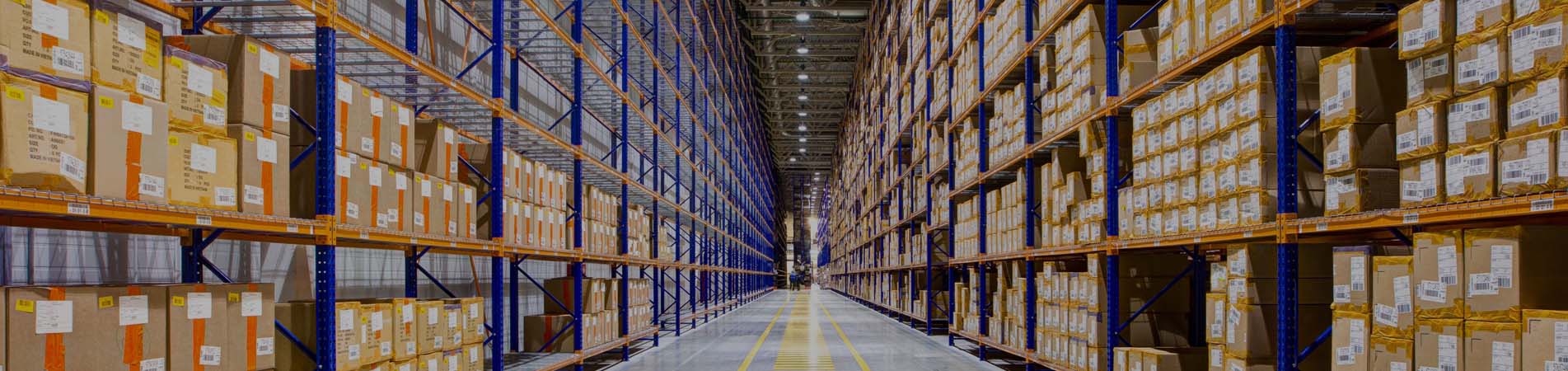
When organizing a warehouse filled with products of varying shapes, weights, and sizes, industrial shelving offers the most flexible and efficient storage solution. It maximizes vertical space, improves inventory visibility, and ensures safe handling of materials.
Warehouse manager, engineers, and distributors often ask: “What defines an industrial shelf style?” or “Which shelving solution fits to my project?” Getting these answers right is critical for project success.
What is industrial shelving?
Industrial shelving refers to durable, load-bearing shelving systems designed to store materials, parts, and finished goods in industrial environments such as factories, warehouses, and logistics centers.
Unlike regular retail or office shelves, industrial shelving systems are design for industrial or commercial use. They can be customized by load capacity, beam length, shelf type (normai or longspan, ), and configuration to match the storage needs of any operation.
What Industrial Shelving Types Are Available?
Industrial shelving comes in various types to suit different storage needs, based on factors like item weight, size, shape, and access requirements. Below is a breakdown of common types, including their features and best uses.
For Lightweight Storage/Bulk Storage: Boltless Shelving/Slotted Angle Shelving
Boltless Shelving (also known as rivet shelving): This type features a steel frame with rivets that snap into place without nuts or bolts, allowing for quick, tool-free assembly and reconfiguration. Shelves are adjustable and often use particle board, wire, or plywood decking. It supports light to medium loads (typically 500-1,000 lbs per shelf) and is accessible from all sides.
Best Places to Use: Small warehouses, retail backrooms, or offices for storing small parts, archive boxes, or bulk items like cartons. Ideal for environments with changing inventory needs due to its flexibility.
Slotted Angle Shelving: Similar to boltless but uses angled steel posts with slots for bolting shelves in place, offering customizable configurations. It's economical and suitable for light-duty applications.
Best Places to Use: Home garages, small workshops, or light industrial settings for organizing tools, hardware, or lightweight bulk goods.
For Long-Item Storage: Long Span Shelving
Long span shelving bridges wider gaps between uprights (up to 10 feet), using stronger beams and decking like particle board or steel. It's adjustable and handles medium to heavy loads without sagging.
Best Places to Use: Manufacturing facilities, lumber yards, or hardware stores for storing long, bulky items such as pipes, beams, or sheet materials. Great for areas requiring forklift access and high-density storage of oversized goods.
Additionally, for very long or irregularly shaped items like lumber or metal rods, consider cantilever racking, which features arm-like extensions from uprights without front posts, allowing easy loading of extended materials.
Best Places to Use: Construction supply warehouses or metal fabrication shops.
For Heavy Duty Storage: Pallet Racking
Pallet racking system for heavy-duty palletized storage in large warehouses. Pallet racking consists of upright frames and horizontal beams that support pallets, often accessed by forklifts. Types include selective (single-deep access), drive-in (high-density, last-in-first-out), or push-back (gravity-fed for multiple depths). It handles heavy loads (2,000-5,000 lbs per level) and maximizes vertical space.
Best Places to Use: Large distribution centers, e-commerce fulfillment warehouses, or manufacturing plants for bulk pallet storage of heavy goods like machinery parts or packaged products. Suited for high-volume operations with forklift traffic.
Specialized Storage Equipment for Any Product
Tire Stacking Rack: Stackable frames with open sides for stacking tires vertically or horizontally, often with wire mesh bases for stability. They are portable and collapsible when not in use.
Best Places to Use: Automotive shops, tire distribution centers, or seasonal storage facilities to save floor space and prevent tire deformation.
Mezzanine Floor: Elevated platforms supported by shelving or racking below, creating additional levels for storage or work areas. They can integrate with existing shelving for multi-tier systems.
Best Places to Use: Warehouses with high ceilings for doubling floor space, such as in retail distribution or assembly lines needing extra storage without building expansions.Mezzanine floor in a warehouse, providing additional elevated storage levels.
Other specialized types include:
Wire Shelving: Open grid design for airflow and visibility, often chrome or epoxy-coated for corrosion resistance.
Best Places to Use: Food and beverage industries, healthcare facilities, or humid environments like freezers for sanitary storage of perishable items.
Applications Across Different Sectors
Industrial shelving adapts to various industries for optimized storage:
Sector
Common Types Used
Best Applications
Warehousing & Distribution
Pallet racking, boltless shelving, mezzanine floors
Bulk pallet storage, order picking, and vertical space maximization in large facilities.
Manufacturing
Long span shelving, cantilever racking, industrial steel shelving
Storing raw materials, tools, and heavy parts near production lines for efficient access.
Retail & E-commerce
Wire shelving, gravity flow shelving, rivet shelving
Backroom organization, fast picking of small items, and FIFO for perishable goods in stores or fulfillment centers.
Automotive
Tire stacking racks, pallet racking
Tire and part storage in repair shops or distribution hubs to prevent damage and save space.
Food & Healthcare
Wire shelving, mobile shelving
Sanitary, ventilated storage for perishables or medical supplies, complying with hygiene standards.
Archives & Offices
Clip shelving, mobile shelving
Document and file storage in compact spaces with easy adjustability.
Choosing the Right industrial shelving for Your Project
At HEDA SHELVES, we supply a complete range of industrial shelving tailored to small warehouse,distribution center, large warehouse.e-commerce warehouse,etc. Our products meet international standards (CE,ROHS,ISO:9001) and can be customized for your specific installation.
Contact our team today for expert advice or to request a custom quote.
FAQ
What's the difference between boltless and bolted shelving?
Boltless (rivet) shelving assembles without tools for quick setup and reconfiguration, ideal for light-medium duties. Bolted shelving uses nuts and bolts for added stability in heavy-duty applications but requires more assembly time.
Can industrial shelving be customized?
Yes, most types allow adjustable shelf heights, add-ons like dividers or bins, and expansions like multi-level setups. Consult suppliers for tailored solutions based on your space and needs.
Is mezzanine flooring considered shelving?
Mezzanines are platforms that create extra floors for storage or operations, often integrated with shelving below. They're ideal for utilizing vertical space but require structural assessments for safety.