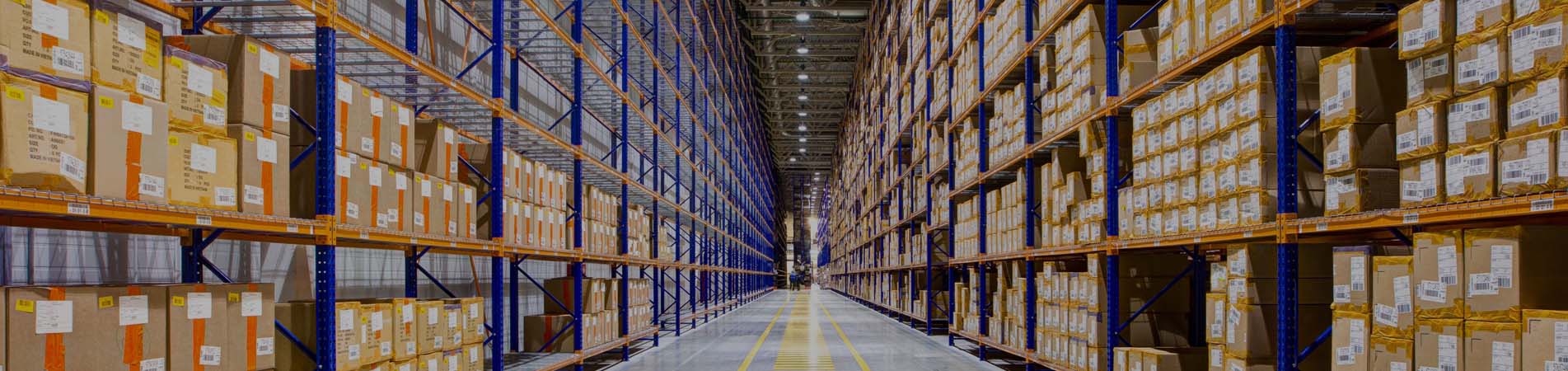
For industrial storage, warehouse racking is the common and essential storage equipment. But wrong design or any mistakes will cause lower picking efficiency and damage risk of workers or products. These weak points create risks that threaten your supply chain’s workflow and efficacy – so mitigating these risk factors is paramount.
Although it’s not viable to completely eliminate all risk from your industrial warehouse racking, avoid the mistakes makes a huge difference. In this guide, we explore top mistake in buying industrial warehouse racking, discuss what’s involved, and share some strategies to help you choose right racking system.
1. Mistake: Overloading Racks Beyond Load Capacity
In industrial environments, ignoring weight limits often results in rack bending or collapse, as seen in Reddit stories where forklift "nudges" caused entire systems to fail under excess weight. This can damage inventory and endanger workers handling heavy machinery parts or raw materials.
Solution: Calculate and Enforce Strict Load Limits
Assess your inventory's maximum weight and distribution needs, then select racks rated accordingly—consult manufacturer specs and use visible signage. Such as a racking unit length 3m, just for 2 pallets, for a total of 4500 kg. Your pallet position must balance the beam; don't stack pallets vertically for one unit. Train staff on even loading techniques to prevent strain, reducing failure risks by up to 30% based on industry data.
2. Mistake: Improper Installation and Anchoring
Many industrial setups fail due to rushed or DIY installations, leading to unstable racks that shift during forklift operations. LinkedIn experts note that unanchored systems are prone to toppling from minor impacts, a common issue in high-traffic warehouses.
Solution: Hire Certified Professionals for Secure Setup
Engage trained installers to anchor racks to the floor using bolts as per ANSI standards, ensuring alignment and stability. Conduct a post-installation audit to verify compliance, preventing up to 30% of related failures. Or find the engineer support from your industrial warehouse racking manufacturer.
3. Mistake: Skipping Regular Inspections and Maintenance
Wear from daily use, like forklift collisions, often goes unnoticed until catastrophic failure. Reddit safety forums describe damaged beams and missing anchors in older systems, doubling accident likelihood over time.
Solution: Implement Scheduled Maintenance Programs
Set up bi-annual professional inspections to check for rust, bends, or loose bolts, and repair issues immediately. Use checklists from the Rack Manufacturers Institute to maintain integrity, extending rack lifespan in industrial applications.
4. Mistake: Not Planning for Future Growth
Businesses frequently regret systems designed only for current needs, leading to inefficiencies as inventory expands. For industrial storage investment, long-term items must consider 3-5 years of inventory growth or the effect of SKU exchange.
Solution: Design Scalable Systems with Expansion in Mind
Incorporate adjustable beams and modular designs during purchase, factoring in projected inventory increases. for high volume of multi-SKU, you can find the compact solution like mezzanine racking for manual picking or cantilever mezzanine maximum storage place for long item and simple item. Layout your warehouse with a experience racking manufacturer today.
5. Mistake: Poor Warehouse Layout and Aisle Design
Narrow aisles or disorganized setups cause forklift bottlenecks, reducing productivity by 20% in industrial workflows. Or increase the risk of product damage or worker injury.
Solution: Optimize Layout for Equipment and Flow
Measure forklift turning radii and plan aisles at least 10-12 feet wide for safe navigation. Use CAD tools to map efficient paths, improving retrieval speed and safety in high-volume operations.
6. Mistake: Choosing the Wrong Racking Type
Selecting incompatible systems, like using selective racks for high-density storage, wastes space and hampers FIFO/LIFO processes in industrial settings.
Solution: Match Racking to Specific Industrial Needs
Analyze inventory types—e.g., pallet vs. cantilever for long items—and test prototypes. Consult reports from brands like those in ANSI guidelines to ensure compatibility and maximize space utilization. Or find the R&D expert to design a tailored solution for save time and money.
7. Mistake: Not Considering Your Equipment
If forklifts or reach trucks can’t access the racks, you’ll end up with unusable storage or extra expense.
Solution: layout with your warehouse solution supplier to fit your the original forklift, or plan with new material handling equipment with your racking solution supplier.
8. Mistake: Buying Second-Hand Racks Without Inspection
Used racks often hide rust or fatigue, failing under industrial loads. Reddit users share regrets over uncertified bargains that led to structural issues in heavy-duty applications.
Solution: To avoid the risk of the used racking, choose the new racking solution from manufacturers or factories. Consider China industrial warehouse racking, factory price with one-stop solution.
9. Mistake: Failing to Consider Fire Safety
Fire safety is a critical factor in warehouse racking design and installation. Neglecting this aspect can lead to serious consequences, such as obstructed sprinkler systems, which reduce their effectiveness during a fire. To ensure safety, maintain proper clearances for fire safety equipment, including fire extinguishers, hoses, and emergency exits. Additionally, using fire-resistant materials for racking construction can help prevent the spread of fire.
Solutions
Adhere to Fire Safety Regulations: Ensure your racking system complies with local and national fire safety standards, such as those set by the National Fire Protection Association (NFPA) or equivalent authorities.
Maintain Clearances: Keep adequate spacing between racking systems and sprinkler heads (typically 18 inches or as specified by regulations) to ensure unobstructed water flow. Ensure clear access to fire extinguishers, hoses, and emergency exits.
Use Fire-Resistant Materials: Opt for racking materials like steel with fire-retardant coatings to minimize fire risks.
Consult Fire Safety Experts: Engage fire safety professionals during the warehouse design and racking installation process to identify and mitigate potential hazards.
Regular Inspections and Training: Conduct routine fire safety audits to verify compliance and train staff on emergency procedures, including evacuation routes and equipment use.
Practical Example:
A warehouse storing flammable goods redesigned its racking layout after a fire safety audit revealed insufficient sprinkler clearance. By adjusting rack heights to maintain an 18-inch gap below sprinkler heads and installing fire-resistant steel racks, the facility achieved compliance with NFPA standards. Additionally, they marked emergency exits clearly and conducted quarterly fire drills, reducing evacuation time by 30%.
How HEDA SHELVES Can Help You Avoid These Mistakes
Partnering with HEDA SHELVES, we are leading industrial warehouse racking manufacturer in China. With 20+ years warehouse racking design, manufactruring, installation support, ensure your warehouse racking for industrial safely and efficiently and is optimised for future growth, helping you achieve smooth and cost-effective warehouse operations.
We provide a range of racking solutions, including heavy duty racking system, carton flow systems, cantilever racking system, multi-tier mezzanine racking systems, drive-in racking systems, and more.
Reach out to us today to best cost-efficiency industrial racking tailored to your warehouse!