what are you looking for?
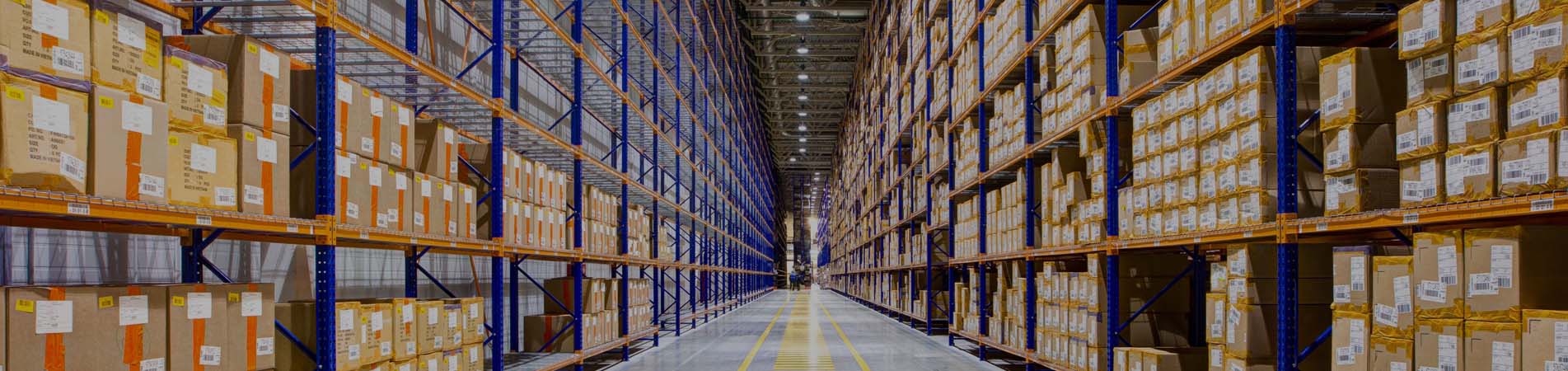
A warehouse often reaches its storage limits faster than expected. Instead of relocating or building extensions, many operators look upward. A mezzanine floor provides an intermediate level inside the facility, unlocking otherwise unused vertical space. As a modular storage equipment, mezzanine floor spend lower cost and time than traditional construction. But how to ensure the mezzanine floor suit to you business? Let us explore the warehouse mezzanine types, benefit, and application.
What Is a Warehouse Mezzanine?
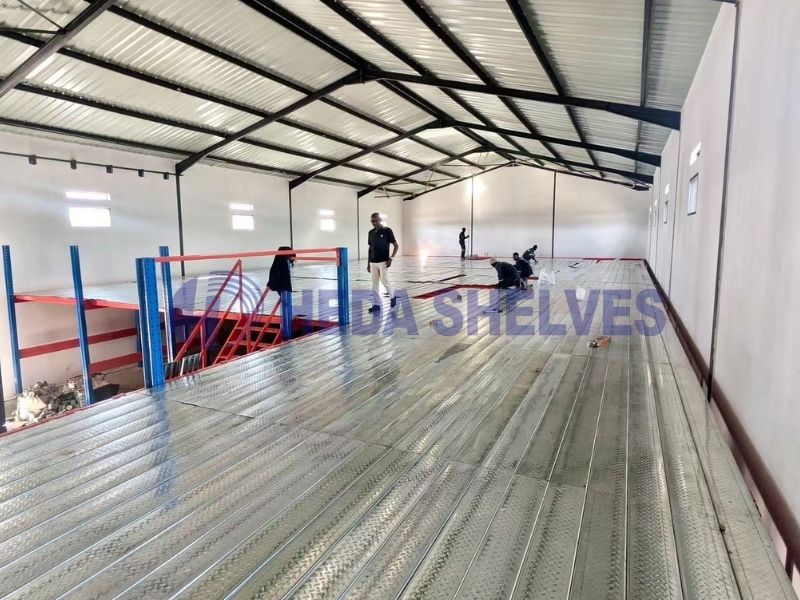
A warehouse mezzanine is a semi-permanent floor system constructed between the ground level and the building roof. It does not alter the building’s core structure but adds an independent or rack-supported platform. The objective is simple: maximize vertical space without disrupting ongoing operations.
Typical applications include:
Because mezzanines are modular, they can be expanded, dismantled, or relocated as operations evolve. This flexibility gives them an advantage over fixed structural expansions.
Types of Warehouse Mezzanine
Different mezzanine systems serve specific purposes. Understanding their distinctions helps align design with business goals.
Freestanding Mezzanines
Independent steel columns and beams create maximum ground-level flexibility. These systems accommodate heavy-duty applications while preserving open floor space for equipment movement and layout modifications. Operations requiring office integration or machinery support benefit most from freestanding configurations.
Rack-Supported Systems
Built directly onto pallet racking structures, these mezzanines maximize storage density through integrated design. The approach eliminates separate support requirements while creating dedicated picking zones above bulk storage areas. Facilities prioritizing pallet throughput realize significant capacity gains through this configuration.
Shelving-Supported Platforms
Longspan shelving provides structural foundation for these systems, designed specifically for small parts and SKU-intensive operations. E-commerce fulfillment centers and parts distributors leverage this approach to manage thousands of product variations within compact vertical footprints.
Which Mezzanine System Is Best for Your Warehouse?
E-commerce and Retail Distribution
E-commerce operations managing thousands of SKUs benefit most from shelving-supported mezzanines that maximize small-item storage density. These systems integrate seamlessly with existing shelving infrastructure, creating multi-level picking environments that reduce travel time. Workers access products efficiently through vertical organization while maintaining visibility across inventory sections. The modular design adapts quickly to seasonal inventory fluctuations and product line expansions.
Automotive Parts Distribution
Automotive parts distributors face unique challenges managing diverse product sizes and rapid order fulfillment requirements. Rack-supported mezzanines excel in these environments by integrating bulk storage with accessible picking zones above pallet locations. Heavy components remain stored at ground level while frequently accessed parts occupy mezzanine positions. This configuration reduces picker travel distances while maintaining efficient forklift operations for bulk inventory movement.
Food and Beverage Warehousing
Food distribution centers require systems that accommodate temperature control and hygiene standards alongside high-volume throughput. Freestanding mezzanines provide the flexibility needed for refrigerated office spaces above ambient storage areas. These systems support quality control stations and administrative functions while maintaining separation from product handling zones. The open design facilitates airflow management critical for temperature-sensitive inventory preservation.
Pharmaceutical and Healthcare
Pharmaceutical warehouses demand precise inventory control and regulatory compliance alongside efficient space utilization. Shelving-supported mezzanines create controlled environments for small-batch pharmaceuticals while maintaining traceability requirements. These systems enable segregated storage for different product categories while supporting quality assurance workstations. The vertical organization reduces cross-contamination risks while maximizing storage density for high-value inventory.
Third-Party Logistics (3PL) Operations
3PL providers serve multiple clients with varying storage requirements, demanding maximum operational flexibility. Freestanding mezzanines deliver the adaptability needed to reconfigure spaces as client needs evolve. These systems accommodate diverse product types from different customers while maintaining clear operational boundaries. The modular design enables rapid reconfiguration for new contracts without disrupting existing client operations.
| Industry Sector | Recommended System | Key Benefits |
|---|---|---|
| Manufacturing | Freestanding | Heavy-duty capacity, office integration |
| E-commerce/Retail | Shelving-Supported | SKU density, picking efficiency |
| Automotive Distribution | Rack-Supported | Mixed product handling, bulk integration |
| Food & Beverage | Freestanding | Temperature control, hygiene compliance |
| Pharmaceutical | Shelving-Supported | Regulatory compliance, contamination prevention |
| 3PL Operations | Freestanding | Client flexibility, rapid reconfiguration |
Conclusion
If you’re looking for the best mezzanine floors for your warehouse, look no further than HEDA Shelves, 20+ years experience in warehouse mezzanine. We understand that every project with different requirement, and we offer one-stop solution to your warehouse. Whether your project is new warehouse or update the storage space.
Looking for warehouse mezzanine expert support? Contact us Now
Frequently Asked Questions
What load capacity do mezzanines support?
Load capacity ranges from 150-1000+ kg/m² depending on structural design. Engineering specifications determine exact weight limits based on intended applications and safety requirements.
Do mezzanines require building permits?
Yes. Local building codes and safety regulations typically mandate permits for mezzanine construction, particularly regarding fire safety and egress requirements.
How quickly can mezzanines be installed?
Installation timelines vary from several days for simple systems to several weeks for complex configurations. Modular designs enable faster deployment compared to traditional construction.
Can mezzanines be relocated if operations change?
Most modular mezzanines support dismantling and reassembly in new locations, providing investment flexibility through changing business requirements.
What safety standards apply to mezzanine systems?
OSHA standards govern guardrails, load ratings, fire codes, and egress requirements. Compliance ensures worker protection and operational continuity.
What is the expected lifespan of mezzanine systems?
Properly maintained steel mezzanines typically provide decades of reliable service, even under heavy operational use.
How do mezzanines compare to building expansion costs?
Mezzanine installation costs represent fractions of new construction or relocation expenses while delivering immediate capacity increases.


Hi! Click one of our members below to chat on