what are you looking for?
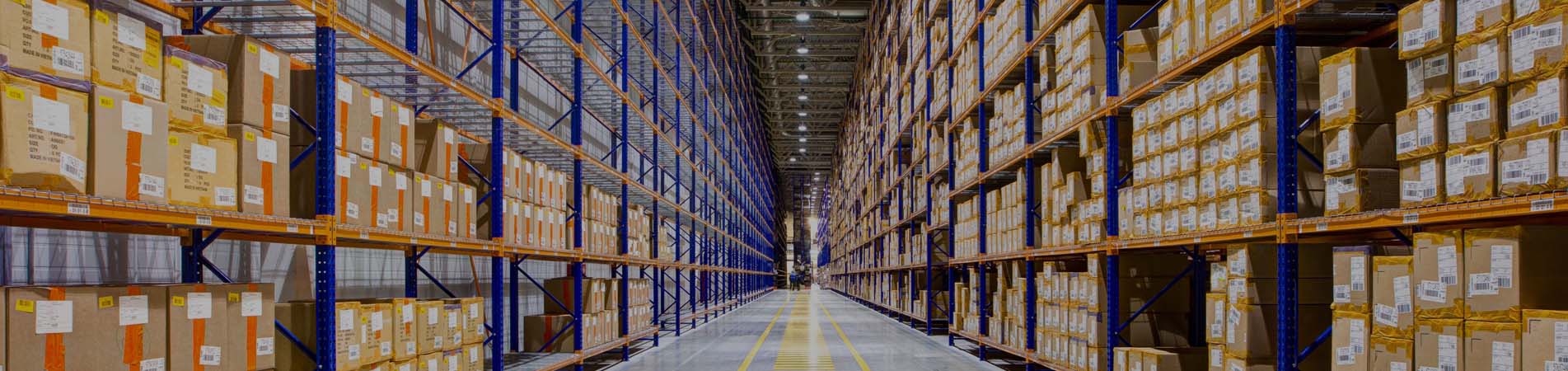
You can never have enough space in your warehouse. If you’re searching for ways to store your long-item product,such as pipes, tubes or timber, consider cantilever rack. These structures act as flexible arm storage in warehouse or outdoor. Once you install cantilever rack in your warehouse, you’ll have access to special shape product storage easily.
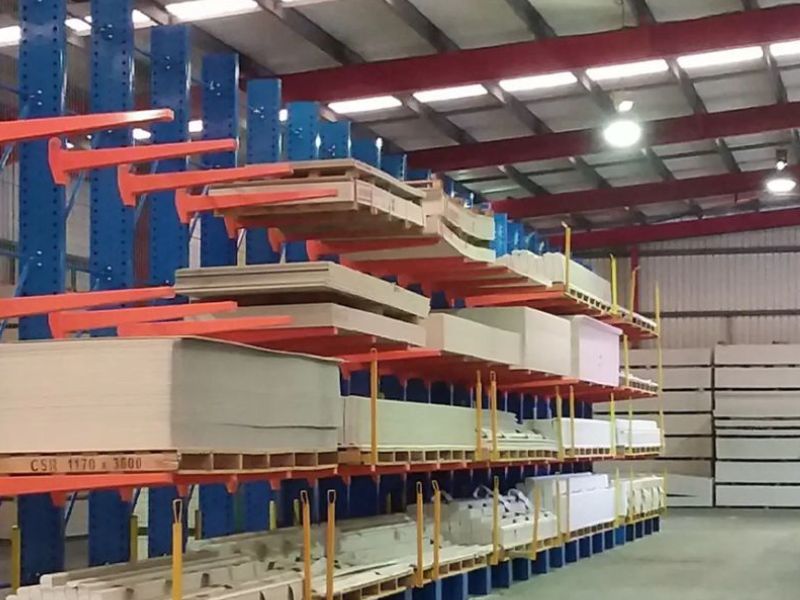
A cantilever racking system is a specialized storage solution characterized by a central vertical column, or upright, with horizontal arms extending outward. These arms act as the primary load-bearing surface, supporting items that are otherwise difficult to store on standard shelving.
The defining feature of this system is the absence of front columns, which provides clear, unobstructed access to materials from the front. This design is engineered to handle long, irregularly shaped, or non-palletized goods, offering an optimized alternative to stacking such items on the warehouse floor.
The fundamental components of a cantilever system include:
Uprights/Columns: The main vertical supports, anchored to the floor to provide stability.
Bases: The foundational element that connects the upright to the floor, ensuring the rack's stability.
Arms: The horizontal beams that extend from the uprights to hold the stored goods. They are typically adjustable to accommodate varying product dimensions.
Bracing: Diagonal or horizontal components that connect the uprights, providing lateral stability to the entire system.
The utility of cantilever racking is enhanced by its various configurations, which can be tailored to specific operational needs. The two primary distinctions are based on material construction and rack accessibility.
This distinction is based on the manufacturing process and determines the system's strength and durability.
Structural racks are the definitive choice for demanding industrial environments where heavy loads and frequent use are the norm. Roll-formed systems, while less robust, offer a more economical and flexible option for applications with lighter materials.
This classification relates to the number of sides available for loading and storage.
Single-Sided Racks: These systems have arms extending from one side of the uprights. They are typically installed against a wall to maximize floor space and create streamlined, high-density storage along a perimeter.
Double-Sided Racks: These systems feature arms on both sides of the uprights, essentially doubling the storage capacity per bay. They are the ideal solution for creating a central aisle in a warehouse, providing double load capacity and increasing aisle-to-aisle density.
The function of a cantilever rack is rooted in a simple but powerful engineering principle: leverage. The base and upright columns are securely anchored to the floor, providing a stable foundation. When a load is placed on the arms, it creates a downward force that is counteracted by the upright, which effectively transfers the weight to the base and the floor.
The open-front design facilitates easy and rapid loading and retrieval of materials via forklifts or other specialized lifting equipment, without the obstruction of vertical posts. This structural integrity and open accessibility allow a single operator to manage long, bulky loads with greater ease and safety.
Cantilever racks offer a host of strategic advantages that elevate warehouse and inventory management.
Optimized Space Utilization: By moving long and unwieldy items off the floor and into vertical storage, businesses can reclaim valuable operational space. Cantilever racks transform unused vertical space into a profitable storage asset, maximizing floor area for other activities or additional stock.
Enhanced Accessibility: The absence of front columns provides unobstructed access to every item. This improves picking efficiency, reduces handling time, and minimizes the risk of damage to products during storage or retrieval.
Improved Safety Standards: Storing long, heavy items horizontally on a stable system significantly reduces the risk of accidents associated with unstable floor stacks. Wider aisles and clear sightlines for forklift operators further contribute to a safer working environment, mitigating trip hazards and collision risks.
Exceptional Adaptability: The modular design of cantilever systems allows for easy re-configuration and expansion. Arms can be effortlessly adjusted to different heights, accommodating a dynamic range of product dimensions and storage requirements. This flexibility is a critical factor for businesses with evolving inventory.
Durability and Longevity: Constructed from heavy-duty steel, cantilever racks are engineered for industrial resilience. They can withstand the rigors of a busy warehouse and provide a long-term, cost-effective storage solution.
Accurately determining the capacity of a cantilever rack is crucial for both safety and performance. This is not simply a matter of a single number but a calculation that involves several variables. The critical rule is that the total arm capacity per level must never exceed the total upright capacity.
Arm Capacity: This refers to the maximum weight a single arm can hold. It is vital to distribute the load evenly across all supporting arms to prevent deflection. The total weight on an arm level is divided by the number of arms supporting the load. For example, a 5,000-pound load supported by five arms requires each arm to have a capacity of at least 1,000 pounds.
Upright Capacity: This is the maximum weight a single upright can bear. To calculate this, multiply the weight per level by the number of levels. For example, if a system has four levels, each with a 4,000-pound load, the total upright capacity must be at least 16,000 pounds.
Uniformly Distributed Load (UDL): Loads should be spread across multiple arms to ensure an even weight distribution. Incorrect loading, such as placing a heavy load at the tip of an arm, can severely compromise the rack's integrity and lead to structural failure.
1. Mark the Foundation
Use a chalk line to mark the centerline where your uprights will be positioned. Measure carefully to ensure proper spacing between uprights (typically 6-8 feet apart, depending on load requirements).
2. Install Base Plates
Position base plates at marked locations. For concrete floors, mark anchor bolt holes and drill using appropriate concrete bits. Install anchor bolts and tighten to manufacturer specifications using a torque wrench.
3. Erect the Uprights
Start with end uprights first. These provide stability for the entire system. Ensure uprights are plumb using your level, and temporarily brace them if necessary. Install intermediate uprights, maintaining consistent spacing.
4. Install Horizontal Bracing
Connect uprights with horizontal braces at the back of the rack. This provides crucial structural stability. Follow the manufacturer's bolt pattern and torque specifications exactly.
5. Mount the Arms
Install cantilever arms at desired heights. Ensure arms are level and properly aligned. Arms should slope slightly upward (about 1-2 degrees) to prevent materials from sliding off. Tighten all connections to specified torque values.
6. Add Safety Features
Install arm stops or lips to prevent materials from sliding off the ends. Consider adding safety straps or netting for additional load security.
Cantilever racks are an optimal solution for industries and applications involving long, oversized, or awkward materials.
Lumber Yards and Building Materials: Storing various lengths of lumber, timber, drywall, and sheet metal.
Plumbing and HVAC: Organizing pipes, tubing, conduit, and other long, cylindrical items.
Manufacturing: Holding bar stock, steel rods, and other raw materials used in production.
Furniture and Retail: Storing large, bulky furniture and rolls of carpeting.
The decision to implement a cantilever system is driven by a need to overcome the limitations of traditional storage. When floor space is at a premium, access to specific inventory items is a recurring challenge, and the risk of product damage is a concern, cantilever racking provides a compelling, performance-driven solution.
Cantilever Rack can provide your warehouse with additional space that effectively to store long and other special shape product. You can install cantilever racking system to make sure it matches your facility’s specifications like wall-mounted for auto parts or outdoor building material storage.
Looking for one-stop solution to your long-item inventroy storage? Contact our racking system expert.
Q1: What are the main differences between cantilever and pallet racking?
A: Cantilever racking is designed for long, bulky, and non-palletized items, providing open-front access. Pallet racking is designed for palletized goods, relying on front columns that can obstruct access to oversized loads.
Q2: Can cantilever racks be used outdoors?
A: Yes, structural steel cantilever racks can be designed for outdoor use. They are often hot-dipped galvanized to protect against rust and corrosion and can be equipped with a canopy or roof to shelter materials from the weather.
Q3: How do I know if a cantilever system is the right choice for my warehouse?
A: Cantilever racks are an ideal solution if your inventory consists of long, bulky, or awkward items such as pipes, lumber, steel sheets, or furniture. They are also highly beneficial for operations looking to maximize vertical space and improve access to materials.
Q4: What is the maximum height for a cantilever rack?
A: The maximum height depends on the specific design and manufacturer, but systems can be engineered to be very tall, often exceeding 10 meters, or contact us to custom.
Q5: Can I add to my existing cantilever rack system?
A: Yes, due to their modular design, most cantilever systems are expandable. You can add uprights, arms, and braces to extend your system as your storage needs grow.


Hi! Click one of our members below to chat on