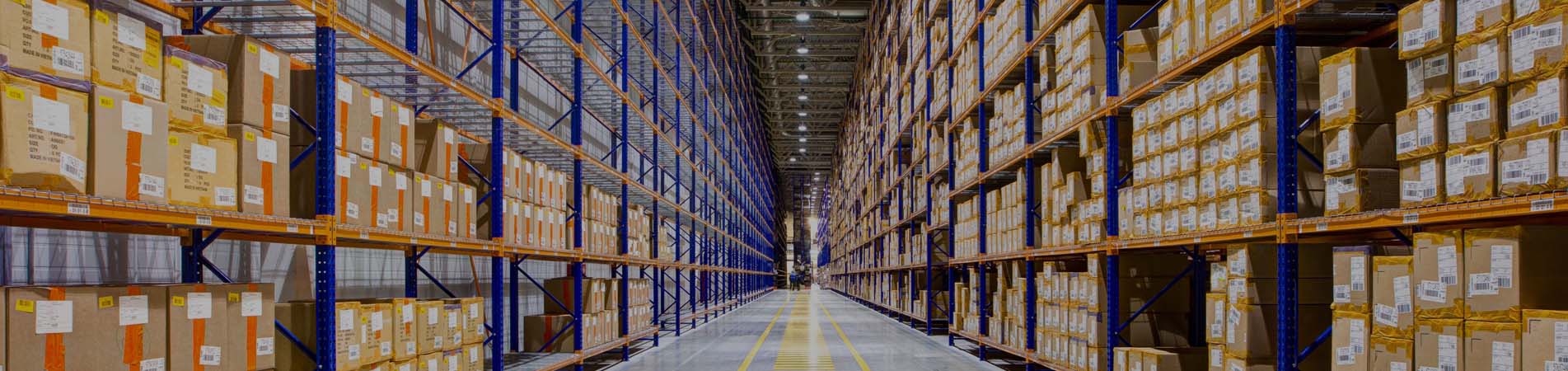
1. Elegant appearance, strong structure, diverse specifications, design style with the times, supermarket shelves is a single double-sided shelves can be combined, one-sided shelves can be combined with the corner, double-sided can be matched with a semicircle, the interval can be arbitrary adjustment, appear noble and generous;2. The appearance of luxury, elegant color, and modern store environment into one, creating a new concept of business;3. Raise the root of the supporting arm, increase the capacity to support, so that the width of the plate, the length of the increase, to meet the large shopping malls the capacity of mega-goods;4. The surface uses the epoxy resin electrostatic spraying treatment, has many kinds of colors, and has the extremely strong anticorrosion, antirust effect;5. Easy installation, a variety of hanging with any choice;6. Column and footings conjoined welding, increase the shelf Pau, to prevent the shelves in the heavy strong state under the gradient, to eliminate hidden trouble;7. Good versatility, equipped with a variety of merchandise display special accessories, suitable for the needs of integrated supermarkets;8. Surface treatment shot blasting derusting, oil removal, surface spraying.
1, display goods with shelves, efficient use of limited business space, the goods are arranged in good order, so that customers at a glance, the fastest delivery of goods to customers, through the perceptual display of goods, stimulate and strengthen the determination to purchase, but also the shop assistant to provide customers with a high standard of service basic operating facilities.2, display goods with shelves, can effectively moistureproof, dustproof, anti-theft, prevent damage and other measures to improve the quality of material storage.
One, large supermarket shelves (also known as the store shelves). Large stores display a wealth of goods, so the load on the shelf more demanding.Its main customers are the customers of the national hypermarket.Second, the standard supermarket shelves (also known as medium-sized supermarket shelves) Superscript supermarket shelves are designed for the development of standard supermarkets shelves, the biggest feature is light, beautiful, it does not store shelves as a complex type of accessories, but also in the display of the corresponding adjustment, pay more attention to the display of goods and personalized display.Its main customers for the local chain-type medium-sized supermarkets.Third, convenience store shelves Convenience store shelves for convenience stores, drug stores, the use of the concept of tool-free installation, easy installation. The biggest features of the shelves are exquisite, lightweight, beautiful, professional and strong.
Different product groups require different picking or storage mode. In high density storage, Gravity Flow and Wheels Back is common self-moving racking system in industrial warehouse workflow. If you're still considering pallet flow racking or push back racking, this article is for you. There's a difference between these operation and application for warehouse or distribution centers.
Key Takeaways
When maximizing storage density, both pallet flow and push back racking offer strong advantages — but they serve slightly different needs.
Pallet flow racking is optimal when first-in, first-out (FIFO) inventory rotation is critical.
Push back racking shines when storage density and ease of loading/unloading from a single aisle matter more than strict rotation.
The ideal warehouse layout may combine both approaches according to SKU type, turnover speed, and space constraints.
Pallet Flow vs Push Back: What You Need to Know
Pallet flow and push back systems both aim to make warehouse storage more compact, efficient, and productive. The decision between them should be based on the nature of stored goods, throughput requirements, and how the facility uses its space. Each has trade-offs, and what works best depends on whether product rotation or storage density is the priority.
What Are Pallet Flow Racks in Industrial Storage
A pallet flow rack (also called gravity flow rack) uses slightly inclined channels equipped with rollers or wheels. Pallets are loaded from the “back” (loading side) and glide forward under gravity toward the “front” (picking side) as preceding pallets are removed.
This design makes pallet flow ideal for operations needing FIFO that the oldest goods are always retrieved first. It also reduces forklift travel because loading and unloading happen on separate, designated aisles.
Pallet flow rack is often chosen for high-volume, high-turnover environments, especially where inventory age, expiration, or shelf life is a concern.
What Are Push Back Racks Used For
Push back racks use a different mechanism: nested carts within each lane sit on slightly inclined rails. When a pallet is loaded at the front, it sits on the first cart. Loading another pallet pushes the previous pallet back onto the next cart, and so on.
When a pallet is retrieved from the front, the remaining pallets roll forward automatically — so loading and unloading happen from the same aisle. The system works under a Last-In, First-Out (LIFO) logic.
Push back racks are well suited for warehouses with limited floor space, multiple pallets per SKU, and inventories that do not require strict FIFO rotation.
Comparison: Pallet Flow Rack vs Push Back Rack
Feature
Pallet Flow Rack
Push Back Rack
Inventory Flow Logic
FIFO (first-in, first-out)
LIFO (last-in, first-out)
Aisle Configuration
Requires two aisles: loading + picking
Single aisle: load and pick from same side
Storage Depth per Lane
Can be quite deep (many pallets per lane)
Typically 2–6 pallets deep per lane
Best For
High-turnover, perishable or date-sensitive items needing FIFO
High-density bulk storage, medium-turnover goods, uniform pallets
Forklift Traffic & Handling
Separation of load/unload reduces forklift interference
Load/unload in same aisle — less travel but careful pallet handling required
Flexibility for Multiple SKUs
Lower — each lane often dedicated to a single SKU
Higher — can store multiple SKUs across lanes and levels
Tips for Choosing Pallet Flow or Push Back Rack for High-Density Storage
Evaluate product turnover and shelf life: For perishable goods or items requiring strict rotation, pallet flow (FIFO) is safer and more reliable.
Assess storage depth needs: If storing many pallets of the same SKU deep, pallet flow may offer better lane depth. For moderate depth, push back is flexible and efficient.
Consider aisle space and warehouse layout: If floor space is limited and minimizing aisles is critical, push back’s single-aisle setup saves space. If forklift traffic and separate load/unload operations are viable, pallet flow may improve throughput.
Pallet uniformity matters: Push back systems work best with uniform, consistent pallets. Pallet flow systems require good-quality pallets for smooth roller movement.
SKU variety and turnover mix: For warehouses with mixed SKUs — some fast-moving, some slow — a hybrid approach might work best: pallet flow for fast movers needing rotation; push back for bulk storage of slower or medium-turnover goods.
Plan for maintenance and operational complexity: Pallet flow includes rollers, braking systems, and two aisles. Push back has carts and rails but simplifies aisle design.
Improve Warehouse Storage Efficiency with Heda Shelves
With careful planning, warehouse owners can use racking solutions such as those offered by Heda Shelves to maximize storage density while preserving operational efficiency. By analyzing SKU turnover, inventory rotation needs, pallet quality, and floor layout, it becomes possible to design a custom racking system.
This system can combine pallet flow zones for perishable or FIFO-critical goods and push back zones for uniform bulk inventory — achieving a balance of density, speed, and flexibility. Such tailored designs reduce forklift travel, optimize space usage, and support safer, more organized warehouse flow.