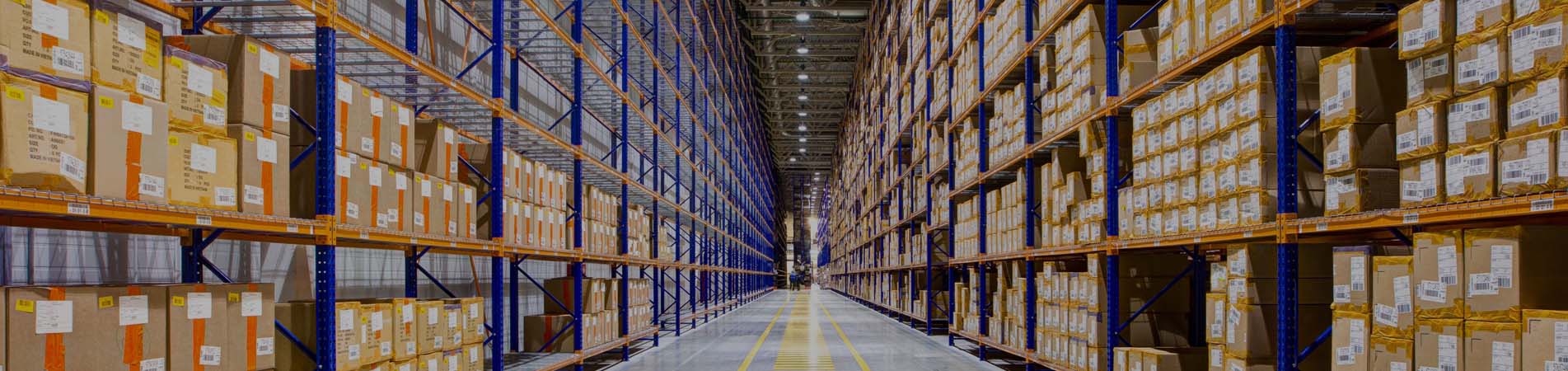
Choosing the right aisle width is one of the most critical decisions when designing a warehouse racking system. Aisle width directly impacts storage capacity, forklift efficiency, safety, and overall operating cost.
In this article, we’ll compare Wide Aisle, Narrow Aisle, and Very Narrow Aisle (VNA) racking systems to help you determine which solution best fits your operation.
What Is Aisle Width of Racking System?
Aisle width is the clear distance between the pallet loads on opposite sides of a warehouse aisle. It must be wide enough to allow forklifts to operate safely while retrieving and storing pallets. The common aisle width including Wide Aisle Racking, Narrow Aisle Racking and Very Narrow Aisle Racking.
Reducing aisle width increases storage density, but it also affects:
Forklift type
Travel speed
Initial investment
Safety requirements
What is Wide Aisle Racking System
A wide aisle racking system is the most traditional and widely used pallet racking layout. Aisles are typically 3.0–4.0 meters (10–13 ft) or wider, providing ample space for forklifts to maneuver.
Compatible with counterbalance forklifts
Simple layout and easy operation
High flexibility for layout changes
Best for: Low-to-medium storage density warehouses, fast operations, and businesses with limited equipment budgets.
What Is Narrow Aisle Racking?
Narrow Aisle (NA) racking is a pallet racking system designed with reduced aisle widths compared to wide aisle layouts, allowing warehouses to store more pallets within the same footprint—while still maintaining 100% access to every pallet.
Typical aisle width: 1.6–2.0 meters (5.2–6.6 ft)
Commonly used with reach trucks
Ideal for medium-to-high throughput warehouses
Best for: Businesses that want higher storage density without the cost and complexity of VNA systems.
What is Very Narrow Aisle Racking
Very Narrow Aisle (VNA) racking is a high-density warehouse storage solution that minimizes aisle width to maximize pallet positions. It requires specialized guided forklifts to operate safely.
Typical aisle width: 1.4–1.8 meters (4.5–6 ft)
Requires turret trucks or articulated forklifts
Often uses wire guidance or rail guidance
Best for: High-bay warehouses where maximizing cubic space is the top priority.
PROS & CONS Of these racking system
Wide Aisle Racking(10-12 feet)
Pros
Works with standard forklifts, keeping equipment costs lower
Easy maneuverability and faster picking speeds
Better visibility and safety for operators
Simpler installation and reconfiguration
Good for high-turnover inventory requiring frequent access
Cons
Lowest storage density, using 40-50% more floor space than narrow aisle systems
Higher facility costs due to larger square footage requirements
Less efficient use of vertical space
Not ideal for maximizing storage in expensive real estate locations
Narrow Aisle Racking (8-10 feet)
Pros
Increases storage capacity by 30-40% compared to wide aisle systems
Still allows reasonable operator visibility and movement
Can use reach trucks or articulated forklifts
Good balance between density and accessibility
Moderate equipment investment
Cons
Requires specialized handling equipment like reach trucks
Slower operation speeds than wide aisle systems
More precise operator training needed
Less flexibility for quick layout changes
Higher initial equipment investment than standard forklifts
Very Narrow Aisle (VNA) Racking (5-7 feet)
Pros
Maximizes storage density, increasing capacity by 50-60% over wide aisle
Excellent use of vertical space (can reach 40+ feet)
Reduces building footprint and associated costs
Ideal for slow-moving or reserve inventory
Can significantly lower real estate expenses
Cons
Requires specialized VNA trucks (turret trucks, order pickers) with high upfront costs
Often needs wire guidance systems or rail systems in floors
Slower picking operations due to precise movements required
Less flexibility—difficult to modify layouts
Higher maintenance costs for specialized equipment
Requires extremely flat and level floors
Limited ability to handle pallets in poor condition
Wide Aisle Vs Narrow Aisle Vs VNA
Feature
Wide Aisle
Narrow Aisle
Very Narrow Aisle
Typical aisle width
3.0–4.0 m
1.6–2.0 m
1.4–1.8 m
Forklift type
Counterbalance
Reach truck
Turret truck (guided)
Storage density
Medium
High
Very High
Ceiling height used
Low–Medium
Medium–High
High / Very High
Pallet accessibility
100%
100%
100%
Layout flexibility
Very high
Medium
Low
Equipment cost
Low
Medium
High
Installation complexity
Simple
Moderate
Complex
Operating speed
Fast
Medium
Medium
Safety requirements
Basic
Enhanced
Strict (rails/wires)
How to Choose the Right Aisle Width For Your Racking System
1. Understand your Inventory & storage requirement
When your warehouse inventory feature is high throughput & fast pallet movement, Choose the width aisle racking system like selective pallet racking, double deep racking. These system offers flexible picking operation without special forklifts.
If you limited in warehouse space with high storage volume with moderate picking speed inventory, narrow racking can help your reduce the aisle for saving more space. In high-bay or space-constrained facilities, VNA Racking can maximum the warehouse space, but you need to use the special forklift to access your product.
2. Choose the Right Forklift and Handling Equipment Compatibility
Aisle width must match the type of forklift used.
Wider aisles support counterbalance forklifts
Narrow aisles require reach trucks
Very narrow aisles require specialized turret or articulated trucks
Using the wrong equipment for the aisle width can reduce efficiency, increase damage risk, and compromise safety.
3. Cost Considerations
Width Aisle Racking (Adjustable Pallet Racking) - With the flexible access operation, Width Aisle Racking can be used in many industries with low cost. Unlike the NAR or VNA racking, APR adapted to normal forklift picking or compare with mezzanine floor for manual picking. Suit to any warehouses or limited in budget projects.
Narrow Aisle Racking (NAR) – Generally, the initial investment for narrow aisle racking is lower compared to VNA racking which consists of more racking components whilst requiring much more specific handling equipment such as the reach or bendi/flexi truck.
Very Narrow Aisle (VNA) – When you access the pallets in VNA Racking, the special forklift is esstential in your budget. VNA Racking can save 50% space in high-bay or space-constrained facilities. While the material handling equipment is higher than NAR, the cost of pallet position is lower than NAR in the long term storage.
Conclusion
Proper aisle width is necessary when you want to install the racking system in your warehouse. If your aisles are too narrow for your forklifts, all the items in your facility is hard to picking that waste your time and money. The right aisle width can help you balance efficiency, space utilization and safety.
Are you finding a high efficiency racking system? Heda Shelves is leading warehouse storage rack manufacturer in China since 2001. We offers tailored racking system with OEM/ODM service fits your storage requirement. Get A Quote Now.