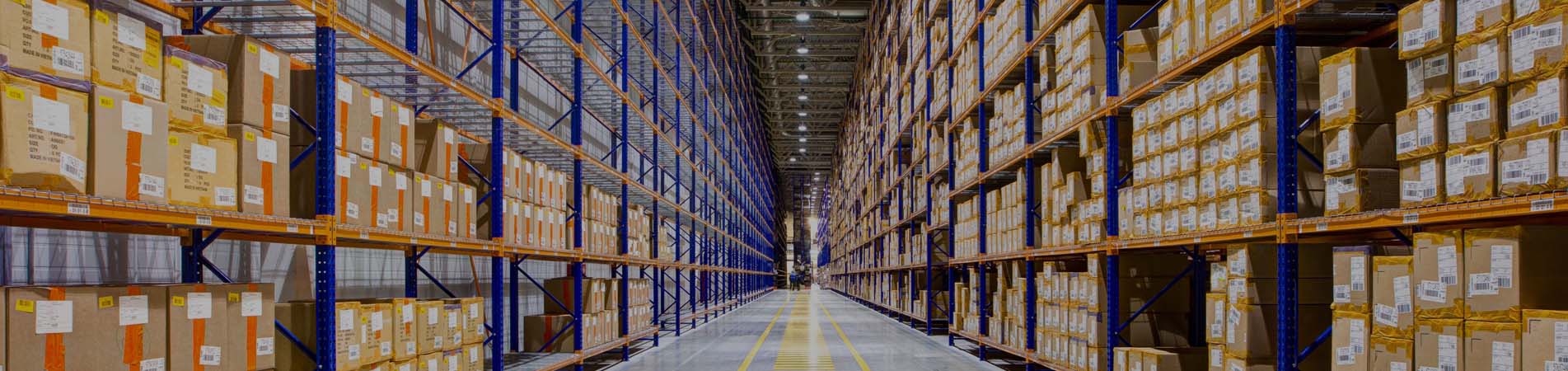
Shelving-Supported Mezzanine design to expand warehouse storage and operation platform in vertical space, allowing you picking and store inventory by manual. In this guide, we’ll explore what Shelving-Supported Mezzanine is, layout of shelving-supported mezzanine systems available, how to install it, and best practices for labelling/numbering.
What Is Shelving-Supported Mezzanine?
As a compact storage platform, shelving-supported mezzanine consist of mezzanine floors and warehouse shelving system. The main benefit of shelving-supported mezzanine is that it maximize vertical space, reducing the aisles of shelving system and offer extra crosswalk to store product quickly and safely.
Types of Mezzanine Racking System
Fits to different storage needs, Mezzanine Racking System come in various types, ranging from heavy duty storage solutions to Multi-layer storage solution accessibility. Here’s an overview of some of the most common options:
Shelf Supported Mezzanine: The most widely used racking type, offering direct access to each pallet. Ideal for warehouses with diverse stock-keeping units (SKUs) where accessibility is essential.
Best For: Light-duty to medium-duty storage of smaller items and goods that don’t require heavy racking systems.
Rack-Supported Mezzanine: This type of mezzanine is supported by a racking system(also called clad-rack), racks serve as the structural support for the mezzanine floor. Widely use for Multi-layer warehouse with heavy duty storage for multi-SKU.
Best For: High-density storage and businesses that need additional pallet racking along with a platform for staff or equipment.
Mezzanine Storage Rack (Deck Supported): This mezzanine platform is supported by a steel framework that is mounted directly onto the rack structure. The platform is typically built with decking material (steel, wood, or other) that forms the floor of the mezzanine.
Best For: Businesses that need multi-tier storage for smaller items, such as parts, tools, or lightweight products.
Cantilevered Mezzanine: Cantilevered mezzanine uses an extended framework to support the mezzanine floor without the need for vertical columns. This allows for more open floor space below the mezzanine.
Best For: Irregular inventory storage like pipes,timbers,tubes , such as assembly lines or workshops.
Benefit of Shelving-Supported Mezzanine
Investing a shelving-supported mezzanine system is a great solution for warehouses and distribution centers that need both additional storage space and a platform for workspaces or equipment. Here are the main benefits of making a valuable addition to any storage operation:
Expanded Footprint
Moving operations to a new location can be expensive and disruptive for both the business and employees. Instead, adding a shelving mezzanine system to medium or e-commerce warehouse allows increase storage efficiency , saving costs on relocation and employee commute adjustments. For larger distribution centers, you can even install multiple levels of mezzanines to make the most of your vertical space, further enhancing your storage capacity.
Flexible storage & Safety
Shelving mezzanine provides a opening warehouse operations connect floor and layer storage operation. Managers can monitor workflow with WMS, you can setting a operation area wherever floor or mezzanine floor. This helps improve to picking and labeling for each cartons and reduces the chance of errors or accidents.
Scalable and CustomizableShelving systems are typically modular, which means they can be adapted or expanded as your storage needs change. Whether you're storing small parts, boxes, or bulk items, the shelves can be adjusted to accommodate various product sizes. This flexibility makes it easy to scale the mezzanine as your business grows.
Employee-Friendly Space
Beyond storage, shelving-supported mezzanines can be used to create dedicated areas for employees. Whether for office space, break areas, or workstations, you can design the mezzanine to cater to the needs of your workforce while keeping them within the main warehouse.
Increased Product Distribution Capabilities
The extra levels in a shelving-supported mezzanine improve your warehouse’s ability to handle higher volumes of products. More storage means better organization, quicker access to goods, and the ability to manage a more complex inventory system with ease.
How to Install Shelving-Supported Mezzanine
Planning and Preparation
Before installation, thorough planning is essential to ensure safety, compliance, and functionality.
Assess Your Space and Needs: Measure the area, ceiling height (ensure at least 7 feet clearance above and below), and existing layout. Determine the purpose (e.g., storage for small parts or tools) and load capacity (typically 500 kg/m² or 125 PSF for floors). Check for obstructions and verify the foundation can support the added weight—consult a structural engineer if needed.
Design the Layout: Create a drawing including dimensions, number of shelving levels, column/beam placements, access points (stairs or lifts), and safety features like guardrails. For shelving-supported designs, integrate with existing industrial steel or rivet-style shelving uprights to act as supports. Factor in entry points, fire safety, and compliance with local codes (e.g., mezzanine area ≤1/3 of the room, open design).
Obtain Permits and Approvals: Check local building regulations for zoning, safety standards (e.g., fire exits, sprinklers), and load restrictions. Submit plans and get approvals to avoid delays.
Choose Materials: Use steel for high durability and load capacity in industrial settings; wood for lighter, aesthetic applications. Flooring options include plywood, grated steel, or concrete. For shelving supports, select heavy-duty racks or shelves. Include braces (cross or knee) for stability.
6 Step to Install Shelving-Supported Mezzanine
Site Preparation: Clear the area of obstacles and debris. Mark the floor with chalk for shelving supports, columns, and framework based on your design. Verify the foundation's strength (e.g., ≥6-inch thick slab).
Install Shelving Supports and Columns: Anchor shelving uprights or columns to the floor using bolts or base plates. Ensure they are level, plumb, and aligned. For shelving-supported designs, use existing or new shelf units as the primary vertical supports.
Assemble Beams and Framework: Attach horizontal beams to the shelving uprights or columns using brackets or welding. Add cross-bracing for stability and even load distribution. Cut components to size if needed.
Install Flooring: Position and secure the decking (e.g., plywood or steel panels) over the beams using screws or bolts. Ensure full coverage, alignment, and stability against vibrations.
Add Stairs, Access Points, and Safety Features: Install stairs with handrails, attaching them to the ground and platform. Add guardrails around edges, kick plates to prevent falls, and any lifts if required
Final Inspection and Testing: Check all connections, alignments, and load capacity by applying expected weight. Verify compliance with codes and conduct a professional inspection.
How to Label Shelving-Supported Mezzanine
Labeling a shelving-supported mezzanine is crucial for optimizing inventory management, enhancing operational efficiency, and ensuring safety in warehouse environments. Below is a clear, step-by-step guide outlining best practices for effective labeling.
Implement Clear Identification: Assign intuitive alphanumeric codes to each section of the shelving (e.g., Row A, Bay 1, Level 2). This system simplifies navigation and reduces the time required to locate items.
Apply Color Coding: Designate unique colors for different zones or product categories. This visual strategy enables quick identification and minimizes errors during inventory handling.
Select Durable Labels: Choose high-quality, adhesive labels designed to endure harsh warehouse conditions, such as dust, moisture, and frequent handling. For reliable options, consider solutions from providers like Whittan, which offer labels engineered for long-term durability and performance.
Incorporate Barcode or QR Codes: Integrate barcodes or QR codes on labels to support advanced inventory tracking. These technologies facilitate seamless scanning, real-time data updates, and integration with warehouse management systems.
Add Safety Signage: Prominently display weight limits, load capacities, and other essential safety information on each rack or shelf. This reinforces safe handling practices and helps prevent accidents or structural overloads.
By following these steps, you can create a well-organized, user-friendly labeling system that improves productivity and compliance. If your facility has specific requirements, consult with a storage solutions expert for customized recommendations.
Why Choose HEDA SHELVES for Your Mezzanine Floor Supplier?
At HEDA SHELVES, we provide ONE-STOP Solution for pallet racking & mezzanine floor, from design to installation. Our experts ensure that your system is safe, efficient and built to last. Our goal is offer cost-efficiency solution in mezzanine racking to help you load more and save money.
Ready to invest a shelving-supported mezzanine or mezzanine racking system? Contact HEDA SHELVES today to discuss your needs.