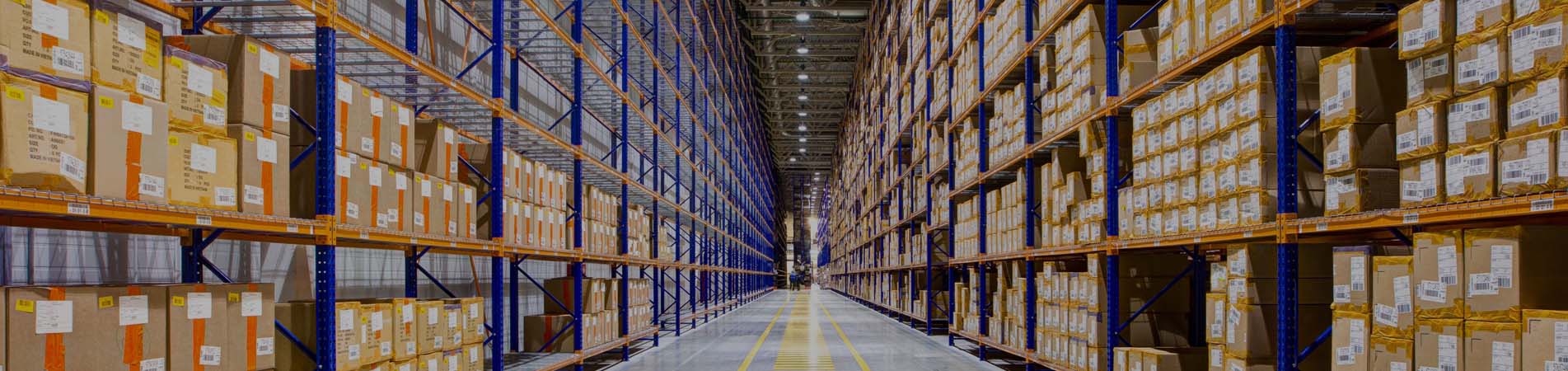
A mezzanine floor is one of the most effective ways to maximize vertical warehouse space without the cost of moving or constructing a new facility. It creates an intermediate level inside a building for storage, offices, or production. For distributors, e-commerce hubs, and manufacturers, mezzanines allow flexible expansion with minimal downtime.
However, selecting the wrong mezzanine system or overlooking critical design factors can lead to costly mistakes, safety hazards, and even compliance issues.
What Is the Weight Limit for a Mezzanine Floor?
Every mezzanine has a defined load-bearing capacity, usually measured in kilograms per square meter (kg/m²). This load rating ensures the structure can safely support people, equipment, and goods.
Standard light-duty mezzanines may support 250–350 kg/m², while heavy-duty warehouse mezzanines can be engineered for 500–1,000+ kg/m² depending on use. Exceeding these limits risks structural failure.
How Much Weight Can a Warehouse Mezzanine Floor Hold?
The answer depends on the design standard and intended use. For example:
Storage of light cartons or shelving: ~300 kg/m²
Palletized goods or machinery: 500–1,000 kg/m²
Office use or personnel access: 250–350 kg/m²
Professional manufacturers design mezzanines according to international codes such as EN 1991, ANSI MH28.3, or local building regulations. Always request a stamped engineering report before installation.
Pallet Racking vs Mezzanine Floor
While pallet racking maximizes vertical storage for pallets, a mezzanine creates an entire additional floor area. The two systems can also work together: a rack-supported mezzanine combines structural racking uprights with elevated flooring, providing both pallet storage and accessible workspace. Choosing between them depends on operational needs—racking is best for bulk pallet handling, while mezzanines suit mixed storage, picking, and office integration.
Mistakes of Mezzanine Kits Design (Top 10 Pitfalls to Avoid)
1. Ignoring Weight Limits
Overloading a mezzanine is one of the fastest ways to compromise safety. Many buyers underestimate the actual load of pallets, forklifts, or shelving systems. Always calculate live and dead loads precisely.
2. Skipping Safety Measures
Handrails, toe boards, safety gates, and anti-slip flooring are not optional. OSHA and local regulations mandate them for worker protection. Cutting corners here leads to accidents and liability issues.
3. Forgetting About Lighting
A mezzanine can cast shadows on the floor below, creating dark, unsafe areas. Poor visibility reduces productivity and increases risks during forklift or picking operations. Plan for integrated LED lighting systems both above and below the structure.
4. Neglecting Fire Safety
Fire sprinklers, smoke detectors, and fire-rated materials are often overlooked. Most jurisdictions require mezzanine floors to integrate with the building’s fire protection system.
5. Using the Wrong Flooring Material
Not all floor panels are equal. Chipboard may be cost-effective but absorbs moisture. Steel grating provides ventilation but is noisy. Choose materials based on intended use: office areas need smooth laminate, while industrial zones may require galvanized steel.
6. Not Considering Ventilation
Enclosed mezzanines trap heat and dust. Lack of airflow creates uncomfortable working conditions and may violate occupational safety standards. Incorporate ventilation or fans into the design.
7. Creating a Dead Zone Underneath
Some mezzanines are poorly planned, leaving awkward, unusable spaces beneath. The underside should be designed for racking, workstations, or forklift aisles to maximize ROI.
8. Forgetting About Maintenance
Like any structure, mezzanines require inspections. Loose bolts, worn flooring, or corrosion must be addressed early. Neglecting maintenance shortens lifespan and increases risks.
9. DIY Electrical Work
Running cables or lighting without licensed electricians is dangerous and often illegal. Electrical integration should be part of the professional mezzanine installation package.
10. Ignoring Building Codes
Local codes regulate mezzanine size, egress, safety barriers, and fire protection. Failing to comply can lead to fines, forced removal, or legal action. Always verify compliance with certified engineers.
Load Standards & Storage
International mezzanine design follows strict standards:
EN 1090 & EN 1991 (Europe)
ANSI MH28.3 (U.S.)
AS 1657 (Australia)
Storage type determines the load class: light shelving, medium carton flow, or heavy pallet zones. Correct classification ensures efficiency and safety.
Investing in a mezzanine floor is not just a construction project—it is a business growth strategy. By expanding vertically, companies save on relocation, lease, and land costs. The ROI of a professionally designed mezzanine often exceeds 200% within 3 years, especially for e-commerce, 3PL, and manufacturing firms.
Conclusion
A mezzanine floor can double your usable space and improve workflow, but only if designed correctly. Ignoring weight limits, safety, and compliance can turn an investment into a liability. Partner with a professional mezzanine manufacturer who provides engineering support, compliance documentation, and turnkey installation.
At HEDA SHELVES, we deliver custom mezzanine racking systems engineered to international standards, ensuring safety, efficiency, and long-term storage to your warehouse operations.
What is a Mezzanine Platform?
A mezzanine platform is essentially an added floor positioned between the main floors or between the floor and ceiling of a building. Unlike traditional floors, mezzanines do not usually cover the entire floor area below and are often open to the space beneath, resembling a balcony or loft. The term “mezzanine” comes from the Italian word mezzano, meaning “middle,” reflecting its position as an intermediate level.
Mezzanines are typically constructed from steel frameworks with decking materials such as particle board, steel grating, or composite panels. They can be freestanding or supported by existing building columns, pallet racks, or shelving systems. Their modular design allows for customization in size, load capacity, and configuration to meet specific operational needs.
Difference Between Mezzanine Platforms and Traditional Structures
Mezzanine platforms differ significantly from traditional building extensions or floors:
Aspect
Mezzanine Platforms
Traditional Structures
Construction
Typically steel-framed, modular, and lighter
Concrete or heavy steel with permanent foundations
Installation Time
Faster, less disruptive, often prefabricated
Longer, more complex, requires permits and extensive work
Flexibility
Easily reconfigured, relocated, or expanded
Permanent, difficult to modify
Cost
Generally more cost-effective
High cost due to construction and permits
Space Use
Partial floor coverage, open to below
Full floor coverage, enclosed
Load Capacity
Varies from light to heavy-duty, engineered per need
Designed for full building loads
Regulatory Impact
Often does not count as an additional floor in building codes
Counts as full floor, affecting zoning and regulations
Benefits of Mezzanine Platforms
Maximize Vertical Space: Convert high ceilings into usable floors, effectively doubling or tripling floor space without expanding the building footprint.
Cost-Effective Expansion: Avoid costly building extensions or relocations by adding space internally.
Versatility: Use mezzanines for storage, offices, production areas, retail displays, or equipment platforms.
Scalability: Modular design allows easy expansion or reconfiguration as business needs evolve.
Improved Workflow: Separate work zones vertically to streamline operations and enhance safety.
Safety and Compliance: Engineered to meet building codes with guardrails, access stairs, and load specifications.
Enhanced Supervision: Elevated platforms provide vantage points for better oversight and security.
How Much Do Mezzanine Platforms Cost?
Costs vary widely depending on size, materials, load requirements, and customization. On average, mezzanine platforms range from $40 to $250 per square foot. Basic, lightweight platforms with simple decking and minimal customization fall on the lower end, while large, multi-level, heavy-duty systems with specialized features reach the higher end.
Additional factors influencing cost include:
Load capacity and structural requirements
Access solutions such as stairs or lifts
Fire safety features and building code compliance
Finishing materials and aesthetics
Installation complexity and timeline
Our mezzanine systems take between 4 to 10 weeks from design to delivery, with minimal ongoing maintenance due to durable Q235 Cold Roller Steel construction and powder-coated finishes.
Practical Applications of Mezzanine Platforms
Warehouses and Distribution Centers: Increase storage capacity and create picking or packing stations above existing floor space.
Manufacturing Facilities: Provide additional workspace, equipment platforms, or assembly areas without disrupting ground-level operations.
Retail Stores: Expand selling floors or back-of-house storage without costly renovations.
Offices: Add mezzanine offices, meeting rooms, or break areas within high-ceilinged industrial spaces.
Cold Storage: Optimize refrigerated space by utilizing vertical volume efficiently.
Production and Operations: Enhance packing, sorting, or quality control zones by creating dedicated mezzanine levels.
Conclusion
So again, what is Mezzanine Platforms? It’s a high efficiency storage solution for limited warehouse space—without moving and construction time. Unlike floor strucrture, these mezznine platforms give you more options in your storage business, offering safety, flexible, higher capacity when you need it.
First, a person holds the column upright and balances the drawing distance. It can be based on the length of the beam. The other person hold the beam, can be loaded with the bottom layer, and the cards at both ends of the beam are aligned with the card slot at the bottom of the column.
Then use the ground to shoot the beam down until both ends are stuck in, and then install 2,3,4 layers, which can be installed according to the level of use.
The third step, each layer needs to be equipped with two beams. When loading, some holes can be first positioned for positioning, and the left right and the two ends should be balanced at one height.
The fourth step, after the beam is installed, the layer can be placed directly on the beam, and the flat pressure can be flattened.
The last step, inspection and acceptance, after placing the installed shelves in the designated area, carefully check whether all of them have been installed, and the goods can be placed directly without any problems.
As a new type of composite storage system, Mezzanine rack is fully utilizing the advantages of the stereo storage rack and the convenience of nearby inventory under the platform. Moreover, the construction of the racking system makes full use of the warehouse and various possible object support, so that this seemingly relatively complicated storage system can fully utilize its own characteristics to better serve its own warehousing.