what are you looking for?
When planning to your storage space for light weight bulk items, one of the most common questions is: What’s the difference between Boltless shelving and Bolted Shelving? Though both are essential storage equipment in commercial storage, they serve very different purposes.
This guide will help you understand their key differences, ideal uses, and how to choose the right one—or both—for your setup.
Boltless Shelving
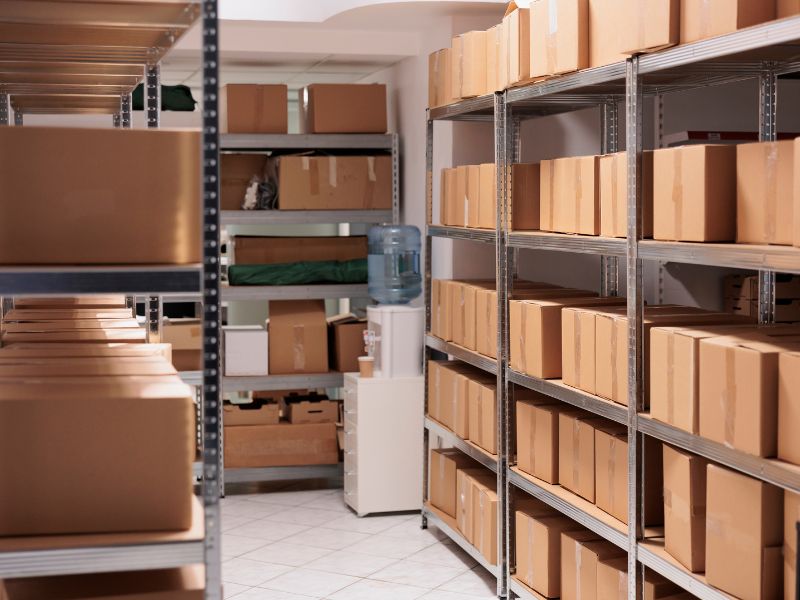
Boltless shelving is a type of storage system that is designed for easy assembly and adjustability without the need for nuts, bolts, or screws. Instead, the components of boltless shelving units, such as upright frames, beams, and shelves, are designed to interlock or fit together securely using a system of slots, clips, rivets, or other specialized connectors.
How it Works:
Benefits of Boltless shelving
Bolted Shelving
Bolted shelving is a traditional type of storage system that relies on nuts, bolts, and screws to connect its various components, such as upright frames, shelves, and bracing. This method of assembly creates a strong and stable structure that is well-suited for a variety of storage applications, particularly those requiring high load capacities and long-term durability.
How it Works:
Benefits of Bolted Shelving
Boltless vs. Bolted Shelving Comparison
| Feature | Boltless Shelving | Bolted Shelving |
| Assembly | Easy and fast, tool-free (typically requires a rubber mallet). Interlocking components. | More complex, requires tools (wrenches, screwdrivers). Uses nuts, bolts, and screws. |
| Adjustability | Highly adjustable shelf height without tools. Easy to reposition shelves. | Adjustable shelf height, but requires tools to loosen and tighten bolts. Less convenient for frequent changes. |
| Stability | Generally good for light to medium loads. Can be less stable than bolted under very heavy loads. | Excellent stability due to bolted connections. More robust and less prone to wobbling, especially under heavy loads. |
| Load Capacity | Typically suited for light to medium-duty storage. Heavy-duty boltless options exist but might not match the capacity of bolted. | Generally higher load capacity, making it ideal for heavy-duty storage applications. |
| Durability | Good durability, especially steel constructions. | Very durable and long-lasting, capable of withstanding harsh environments and heavy use. |
| Cost | Often more economical, especially for lighter-duty applications. | Can be slightly more expensive due to the hardware and potentially more complex manufacturing. |
| Appearance | Cleaner, more streamlined appearance due to the absence of visible bolts. Often preferred in customer-facing environments. | More industrial look with visible bolts. Prioritizes functionality and strength over aesthetics in many cases. |
| Ease of Disassembly & Reconfiguration | Generally easier to disassemble and reconfigure without tools. | More challenging to disassemble and reconfigure, requiring tools and more time. |
| Maintenance | Minimal maintenance, no bolts to tighten. | May require occasional tightening of bolts over time. |
| Typical Applications | Homes, offices, retail stores, light-duty warehouses, garages. | Industrial warehouses, manufacturing facilities, workshops, retail backrooms, archives with heavy items. |
When Should You Use Each Type?
Use Boltless Shelving When:
Use Bolted Shelving When:
Choosing between Boltless or Bolted shelving system hard? Check Heda Shelves Medium Duty Shelving.
Not sure which shelving and design fits your project? We are leading warehouse racking and shelving system manufacturer in China since 2001. Contact us now for expert advice.


Hi! Click one of our members below to chat on